If you want a clean answer to how long to smoke a brisket, start with 1 to 1.5 hours per pound at 250 F, then let tenderness make the final call. A 12-pound packer often lands somewhere around 10 to 14 hours on my offset or pellet grill, but the weight is only part of the story. Fat cap, meat shape, pit temp, and whether you wrap all change the clock. I burned plenty of briskets before I figured out that the calendar is a liar and the probe is your best friend.
The short answer to how long to smoke a brisket
At 225 F, most briskets run slower, usually closer to 1.5 to 2 hours per pound. At 250 F, the cook moves faster and usually settles into that 1 to 1.5 hours per pound range. That means a smaller flat might be done in 6 to 8 hours, while a full packer can easily take 10 to 16 hours. If you are cooking a 14-pound brisket for a Saturday dinner, you should start in the morning and plan for a long afternoon, not a tight lunch schedule.
I learned the hard way that brisket does not care what time your guests show up. The first good one I ever cooked had me pacing the backyard like an idiot because I trusted the clock instead of the meat. Since then, I plan for extra time and use the hold as a safety net. A finished brisket can sit in a cooler for a few hours and still eat great, which is a lot better than serving a stiff one because you rushed it.
What changes how long to smoke a brisket
The shape of the brisket matters as much as the scale. A thick, evenly built packer usually cooks more predictably than one with a skinny flat that tapers off fast. Grade matters too. A Prime brisket with better marbling often gives you a little more forgiveness than a leaner Choice brisket, though either can be excellent if you cook it right. I have bought briskets from Costco, Sam's Club, and the local grocery store, and the difference in shape alone can swing the finish time by an hour or more.
Weather sneaks into the math as well. A windy 35-degree day on an offset will slow things down. A steady 275 F on a pellet grill may shave time off without wrecking the result. Fuel type matters less than people argue about online, but an offset, a kamado, and a pellet cooker all behave differently enough that you should learn your own pit instead of chasing somebody else's schedule.
The stall, the bark, and when to wrap
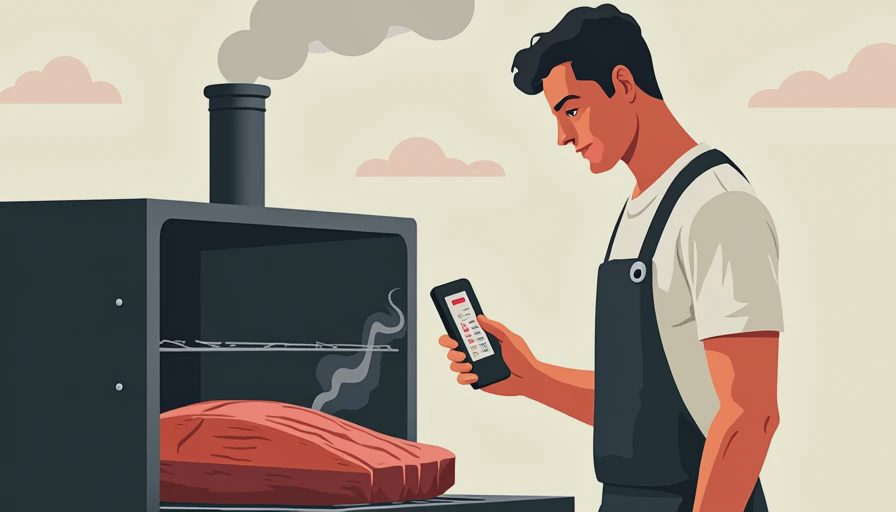
The stall is the part that makes new brisket cooks think their thermometer is broken. Somewhere around 150 to 170 F, the meat can sit there for what feels like forever while surface moisture cools the bark. That is normal. It is also why people start opening the lid every fifteen minutes and making the whole thing worse. Leave it alone until the bark looks set, dark mahogany, and dry enough that it will not wipe off on your finger.
When I wrap, I usually reach for pink butcher paper if I want a firmer bark and foil if I want to push through the stall faster. Paper breathes, so the bark stays a little crisper. Foil traps more steam, which can soften the outside but saves time. If you are feeding a crowd and running late, foil is a fine tool. If you want that traditional barbecue crust, paper is my usual pick. Either way, wrapping is not cheating. It is just choosing where you want the cook to spend its time.
Doneness is a feel, not just a number
A brisket can read 200 F and still be tight, or it can be 196 F and practically done. That is why I trust the probe test more than the number on the screen. Slide a thermometer or skewer into the thickest part of the flat. When it goes in with very little resistance, like soft butter, you are close. If it feels springy, give it more time. The point usually gives in earlier than the flat, so check the flat first and do not pull the whole brisket just because one spot felt ready.
This is where a lot of good meat gets ruined. People hear 203 F and think that is the magic. It is not. The magic is tenderness plus a little jiggly movement when you pick up the brisket from the center. That wiggle tells you the connective tissue has broken down enough to slice well. If you cook by feel and not just by a number, your results get better fast.
Resting and slicing are part of the cook
Rest matters almost as much as smoke time. Once the brisket is done, I let it sit unwrapped for 15 to 20 minutes so the steam can calm down, then I wrap it back up and hold it in a dry cooler with towels or in an oven set low. A one-hour rest is the bare minimum. Two to four hours is better if your schedule allows it. This is where a lot of backyard cooks finally get that restaurant texture they have been chasing.
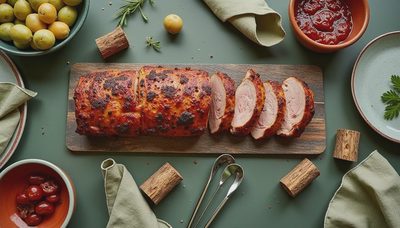
Slicing is the last place to lose points. Separate the point from the flat if you need to, then slice against the grain with a sharp knife. Keep the slices about pencil thick for the flat. The point can go a little thicker or get chopped for sandwiches. If you slice too soon, the juices run out and the meat feels dry even when you cooked it right. That is the kind of mistake I made before I started writing down every smoke in my notebook.
A simple timeline that works on a real weekend
If you came here wondering how long to smoke a brisket, here is the weekend version I actually use. For a 12 to 14 pound packer, I salt and pepper it the night before, fire the smoker around 5 or 6 in the morning, and run it at 250 F. Around midday, I start paying attention to the bark and the stall. If the surface is where I want it, I wrap around 160 to 170 F and keep cooking until the flat probes tender. Then I hold it in a cooler until dinner.
That plan gives you room for surprises. If the brisket finishes early, you can hold it. If it runs long, you still have cushion. If the bark gets dark too fast, you can drop the pit to 225 F for a while or move the meat to a cooler part of the cooker. The point is to cook the brisket in front of you, not the one you wish was happening. Low and slow, and don't overthink it.

No letters yet — be the first to write.