The Only Question That Matters When Choosing a Smoker
I see the same argument online every week. Someone posts a photo of their brand-new offset and the comments explode into Texas-versus-everyone, pellet-versus-real-fire, kettle-is-for-grilling-not-smoking. Meanwhile the original poster just wanted to know if they could make decent pulled pork without turning their backyard into a second job.
Here’s the truth I learned the hard way after twelve years in restaurant kitchens and another decade of backyard trials: the best smoker is the one you will actually light on a regular weeknight. Not the one that looks coolest on Instagram. Not the one that wins the most internet arguments. The one that fits your space, your schedule, and your tolerance for babysitting a fire.
Low and slow, and don’t overthink it. That applies to the cooker as much as the meat.
Offset Smokers: The Romance and the Reality
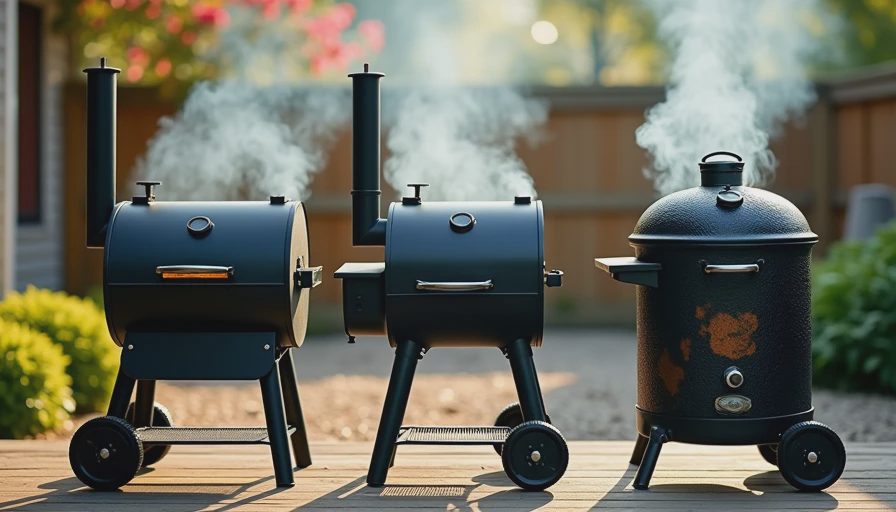
An offset is the classic look—firebox on the side, long cooking chamber, smoke drifting out the stack. When it’s running right, the clean blue smoke and the gentle heat make beautiful bark and deep flavor.
The upside is real control and that traditional smoke taste people chase. You can burn splits of oak, hickory, or fruitwood and dial the temperature by how you manage the fire and the vents.
The downside is also real. Offsets demand attention. You can’t just set it and walk inside for three hours. Temperature swings happen if the wind shifts or the wood burns down. Learning to keep a steady 250–275°F takes practice and a few ruined cooks. They also take up more space and usually cost more up front if you want one that holds heat well.
I run an old offset for competition and for the pure fun of it. But I also know that on a random Tuesday when the kids have homework and I just want dinner, the offset sometimes stays cold while something simpler gets the job done.
If you like tinkering, have the time, and enjoy the process of managing a fire, an offset can be deeply satisfying. If you want set-it-and-mostly-forget-it results, look elsewhere first.
Pellet Grills: The Convenience King (With a Few Trade-Offs)
Pellet smokers are the gateway drug for a lot of new backyard cooks, and for good reason. You fill the hopper with pellets, set the temperature on a dial or an app, and the auger feeds fuel as needed. Many models hold temperature within a few degrees for hours.
The big win is consistency and ease. You can start a pork butt in the morning, go about your day, and come back to something that probes tender. Clean-up is usually simpler. The learning curve is shorter.
The trade-offs are flavor and feel. Pellets give a milder smoke than a clean wood fire in an offset. Some people say it tastes “different.” I say it still tastes like good smoked meat, especially once you learn to run a higher smoke setting at the beginning of the cook. You also need electricity, and you’re tied to buying pellets instead of scavenging wood.
I keep a pellet grill in the rotation for exactly the reason most people buy one: life gets busy. When I need reliable results without staring at a firebox, the pellet delivers. It is not cheating. It is choosing the tool that matches the day.
Kettle Grills: The Sleeper Option Most People Overlook
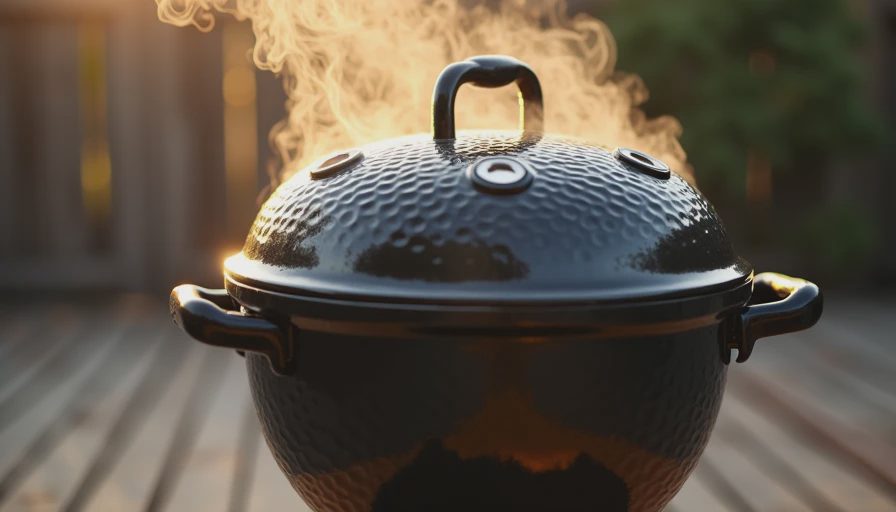
A basic charcoal kettle can smoke surprisingly well if you learn the snake method or use a couple of simple accessories. You arrange unlit charcoal in a C-shape or a line around the edge, light one end, and let it burn slowly. Add a few wood chunks for smoke. The temperature stays in the 225–275°F range for hours with almost no attention.
The advantages are price, space, and versatility. Most people already own a kettle or can buy one for under two hundred dollars. It takes up almost no room. When you’re not smoking, it still grills burgers and chicken better than most dedicated smokers.
The limitations are capacity and precision. A standard 22-inch kettle holds one decent pork butt or a small brisket flat, not a full packer and a rack of ribs at the same time. Temperature control is more hands-on than a pellet but less demanding than a big offset.
I have cooked some of my favorite backyard meals on a kettle. The flavor is excellent because you’re burning real charcoal and wood. The process teaches you fire management without the intimidation of a seven-foot offset.
If money or space is tight, or if you already have a kettle sitting on the patio, start there. You can make competition-level food on one once you understand the method.
How to Decide Without the Internet Noise
Ask yourself three questions:
How much time and attention can I realistically give the cooker on a normal weekend?
How much space do I have, and what’s my actual budget including fuel?
Do I enjoy managing a fire, or do I just want good meat at the end?
If you love the process and have the time, lean offset.
If you want reliable results with less babysitting, lean pellet.
If you’re starting small or already own a kettle, master that first.
None of these is “better.” They are different tools. I own and use all three for different reasons. The day I stopped treating one as morally superior to the others was the day my cooking got more consistent and a lot more fun.
The Gear Trap I Fell Into (So You Don’t Have To)
Early on I chased the perfect setup. Better thermometer probes, better firebricks, better insulating blankets, better this, better that. Some of it helped. Most of it just made me feel like I was doing something while the meat sat there waiting for me to stop tinkering.
The single biggest upgrade for any of these cookers is learning to leave the lid closed and trust the process. The second biggest is a decent leave-in thermometer so you’re not guessing. Everything else is optional.
You can make excellent brisket, ribs, and pork butt on a two-hundred-dollar kettle. You can also make dry, bitter meat on a three-thousand-dollar offset if you don’t understand clean smoke and steady heat. The cooker is not the magic. The cook is.
What I Tell Neighbors Who Ask for Buying Advice
Buy the simplest thing that matches how you actually live. Use it until you understand its quirks. Then, if you still feel limited, upgrade with real experience instead of internet envy.
Start with a pork butt on whatever you choose. That cut will forgive the early mistakes while you learn how your particular smoker behaves. Once you can hit tender, juicy pulled pork without stress, you’ll know whether you want more capacity, more control, or more convenience.
The goal is not to own the most impressive piece of steel in the neighborhood. The goal is to feed the people you care about food that tastes like you paid attention—without turning every cook into a second job.
So pick the smoker you’ll actually light. Learn it. Cook on it. Improve from there.
Low and slow, and don’t overthink it.
The meat doesn’t care which logo is on the side of the cooker. It only cares that the temperature stayed steady and the smoke stayed clean. Everything else is just details.


No letters yet — be the first to write.