Why Pork Butt Should Be Your Very First Smoke
I tell every new backyard cook the same thing: skip the brisket for your absolute first fire. Start with a pork butt. It is the most forgiving piece of meat you can put on a smoker, and I say that as a guy who has ruined more expensive cuts than I care to admit out loud.
A brisket will punish you for opening the lid too often, for running the fire too hot, for wrapping at the wrong time, or for slicing against the wrong grain. A pork butt mostly just shrugs and keeps cooking. The fat and connective tissue are built-in insurance. Even if you mess up the temperature by twenty degrees or leave it on an hour longer than planned, you still end up with something that tastes like a win.
Low and slow, and don’t overthink it. That phrase was basically invented for this cut.
What Exactly You’re Buying
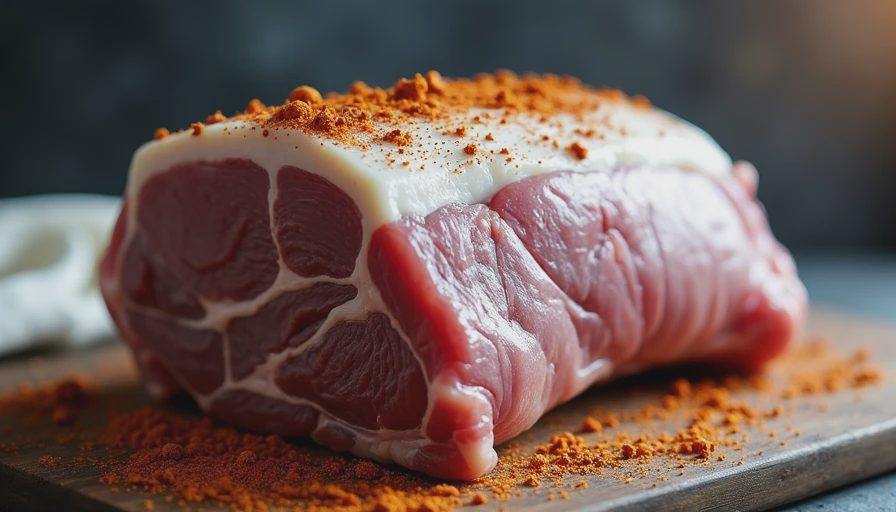
When the butcher or the grocery store label says “pork butt” or “Boston butt,” you’re looking at the upper part of the pork shoulder. It usually weighs between 6 and 10 pounds with the bone in. Bone-in is what I want you to buy. The bone helps regulate temperature and gives you a built-in doneness indicator later.
You do not need the fancy heritage breed or the $12-a-pound special. A regular grocery-store butt works fine. Look for one with a decent fat cap and good marbling. If it’s already netted in that elastic string, leave the string on until after the cook. It helps the meat hold shape while the collagen melts.
Trim only the hard, thick chunks of exterior fat if they bother you. Leave the rest. You’re not building competition bark yet. You’re building confidence.
Seasoning That Doesn’t Require a Chemistry Degree
Salt and pepper still work. If you want to feel like you’re doing something extra, mix equal parts kosher salt, coarse black pepper, paprika, and a little garlic powder or brown sugar. That’s it. Rub it on the night before if you remember, or the morning of if you don’t. The meat will take the seasoning either way.
I used to overcomplicate this step with twelve-spice blends and overnight injections. The pork didn’t care. The people eating it cared even less. Keep the rub simple so you can focus on the fire.
Getting the Smoker Ready Without the Drama
Target 250–275°F again. Same range as the brisket. Pork butt is happy anywhere in that window. Stabilize the cooker first. Whether you’re running an offset, a pellet grill, a kettle, or a cheap bullet smoker, get the temperature steady before the meat goes on.
Wood choice is flexible. Apple, cherry, hickory, or oak all play nice. I usually burn a mix of oak for the base heat and a little cherry for color. You do not need to baby the smoke the way you do with brisket. Pork is more tolerant of the occasional white puff.
Put the butt on the grate fat-side up. Close the lid. Walk away. Check the fire every hour or so, add wood as needed, and otherwise leave it alone.
The Timeline That Actually Fits a Normal Day
A 8-pound bone-in pork butt usually takes 8 to 12 hours at 250–275°F. That is a wide window on purpose. The exact time depends on the exact piece of meat, the exact weather, and how many times you open the lid to “just check.”
You will hit a stall somewhere around 150–170°F internal. It can sit there for a couple of hours. This is normal. Do not crank the heat. Do not panic. Just wait until the bark looks dark and set, then wrap.
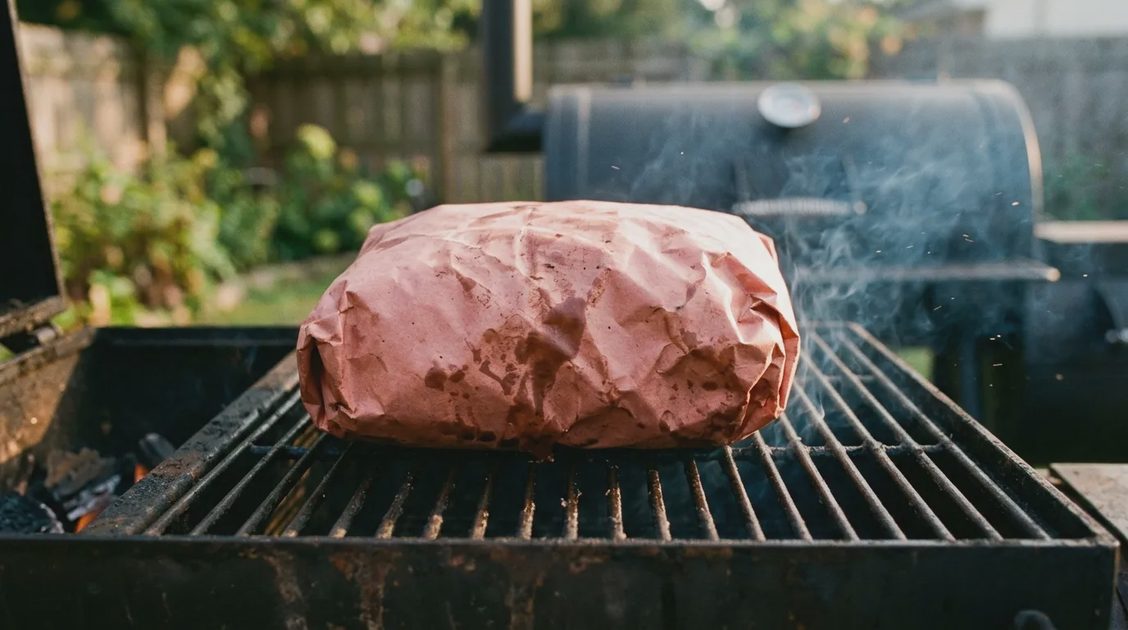
I wrap in butcher paper or foil—both work. Foil will push it through the stall faster and give you softer bark. Paper keeps more of the bark texture. Either way, wrap it tight, put it back on the smoker, and let the internal temperature climb to 200–205°F.
The real test is the probe. When a thermometer probe or a skewer slides into the thickest part with almost no resistance, and the bone wiggles freely, you’re done. Pull it off, leave it wrapped, and rest it in a cooler or a warm oven for at least an hour. Two hours is better.
Pulling the Pork Without Making a Mess of It
After the rest, open the wrap carefully—there will be a lot of juice. Save that juice. Remove the bone (it should slide right out). Then pull the meat with two forks or a pair of bear claws or just clean hands if it’s cool enough.
Discard any big chunks of pure fat or connective tissue that didn’t render. Mix the rest back with some of the reserved juice so it stays moist. Taste it. Add a little more salt if it needs it. That’s your pulled pork.
You can sauce it or leave it naked. In my house we do both. The kids usually want it sauced; I like it straight so I can still taste the smoke.
The Mistakes Pork Butt Will Forgive (And the One It Won’t)
It will forgive:
Running 20 degrees hotter than you planned
Checking the temperature too often
Wrapping a little early or a little late
Resting for only 45 minutes instead of two hours
Using the cheap grocery-store rub you already had in the pantry
It will not forgive:
Pulling it at 180°F because you got impatient. Undercooked pork butt is tough and dry. Give it the full time to 200°F+ and probe tender.
I once left a butt on overnight because I misread the weather forecast and the temperature dropped hard. In the morning it was still perfect. That is how forgiving this cut is. Try that with a brisket and you’ll be ordering pizza.
What to Do With the Leftovers (Because There Will Be Leftovers)
Pulled pork keeps in the fridge for four or five days and freezes beautifully. Reheat it gently with a splash of the reserved juice or a little apple cider vinegar so it doesn’t dry out. Make sandwiches, tacos, nachos, or just eat it cold over the sink like a raccoon. No judgment.
If you want to get fancy later, you can turn some of the leftovers into carnitas by crisping them in a hot skillet. But that’s a future-you problem. Right now, just get the first one done.
Why This Cut Builds Real Confidence
Every time I teach a friend or a neighbor how to smoke, I start them on pork butt. They finish the cook with something that tastes good, smells like success, and feeds a crowd without drama. That positive first experience is what keeps people coming back to the smoker instead of giving up after one tough brisket.
You will still learn the stall. You will still learn how your particular cooker behaves. You will still learn what clean smoke looks like. But you will learn all of it while producing food that people actually want to eat.
That is the whole point.
So go buy a bone-in pork butt this week. Season it simply. Run a steady fire. Wrap when the bark looks right. Rest it longer than you think you need to. Pull it when the bone slides out clean.
Low and slow, and don’t overthink it.
Your first pulled pork is going to be better than you expect. And the second one will be even easier.


No letters yet — be the first to write.