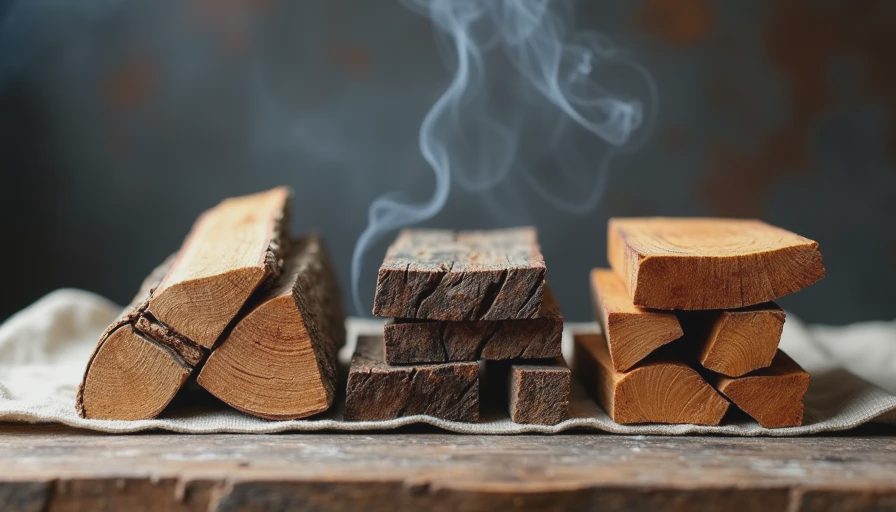
The Wood Aisle Is Designed to Confuse You
Walk into any big-box store or specialty barbecue shop and you’ll see bags labeled mesquite, pecan, cherry, apple, hickory, oak, maple, grapevine, whiskey-barrel, and half a dozen blends with names that sound like perfume. The packaging promises “bold,” “sweet,” “complex,” and “competition-grade.” Meanwhile you’re just trying to smoke a pork butt without turning it bitter.
I fell for it early on. I bought every variety I could find, stacked them in the garage, and spent more time matching wood to meat than actually cooking. The results were not better. They were just more expensive and more stressful.
After years of feeding both paying customers and my own hungry family, I settled on three woods that cover almost everything I cook. They are easy to find, burn clean when seasoned properly, and deliver reliable flavor without the drama. Everything else is optional once you have these dialed in.
Low and slow, and don’t overthink it. That applies to wood choice more than almost anything else.
Wood Number One: Oak — The Steady Workhorse
Oak is the foundation. It burns hot and clean, produces a mild-to-medium smoke that plays well with beef, pork, and poultry, and doesn’t overpower the meat. White oak or red oak both work. Post oak is traditional in some regions, but regular hardwood oak from the store or a local supplier is fine.
I use oak as the base wood for almost every long cook. It gives you steady heat and a background smoke that lets the meat taste like meat. When people say a brisket or pork butt has “good smoke flavor” without being able to name a specific wood, they are usually tasting oak done right.
Look for splits or chunks that are well-seasoned—dry, not green. Green oak will produce thick white smoke and bitter flavors. If you can knock two pieces together and hear a sharp sound instead of a dull thud, you’re in good shape.
Oak is also forgiving if your fire management is still a work in progress. It doesn’t flare up as aggressively as some denser woods and doesn’t turn acrid as fast if the airflow gets restricted for a bit.
Wood Number Two: Hickory — The Classic Backbone
Hickory is the wood most people think of when they think of American barbecue. It has a stronger, bacon-like smoke that stands up to bigger cuts and longer cooks. Used correctly, it gives you that deep, familiar flavor people expect from ribs and pork shoulder.
The key word is “correctly.” Hickory can go from excellent to bitter in a hurry if you smother the fire or use too much too fast. I treat it as a supporting wood rather than the only wood. A few chunks mixed into an oak fire, or a couple of splits added during the first half of the cook, is usually enough.
For ribs and pork butt, hickory is hard to beat. For brisket I use it more sparingly because the longer cook can concentrate the stronger flavors. Poultry gets even less. The rule I follow is simple: if the smoke smells sharp and acrid coming out of the stack, back off the hickory and open the vents until it cleans up.
Well-seasoned hickory is widely available. Avoid the bags that feel heavy with moisture. Dry hickory lights easier and burns cleaner.
Wood Number Three: Apple or Cherry — The Friendly Finisher
Fruitwoods are the gentle option. Apple and cherry both give a lighter, slightly sweet smoke that works especially well with pork, chicken, and anything you don’t want to dominate. Cherry also adds a nice reddish tint to the bark, which looks great on ribs and pork butt.
I keep one of these on hand for the early part of a cook or for shorter smokes. A few chunks of apple or cherry mixed with oak at the start gives you clean smoke flavor without the risk of bitterness. On a kettle or pellet grill, fruitwood pellets or chunks are an easy way to add character without much effort.
These woods burn a little faster and produce less intense heat than oak or hickory, so they are better as flavor wood than as primary fuel on a long offset cook. That’s fine. Their job is to make the meat taste friendly and approachable, not to carry the entire fire.
Apple is usually easier to find in most parts of the country. Cherry is worth grabbing when you see it. Either one will do the job.
How to Use These Three Without Overcomplicating the Fire
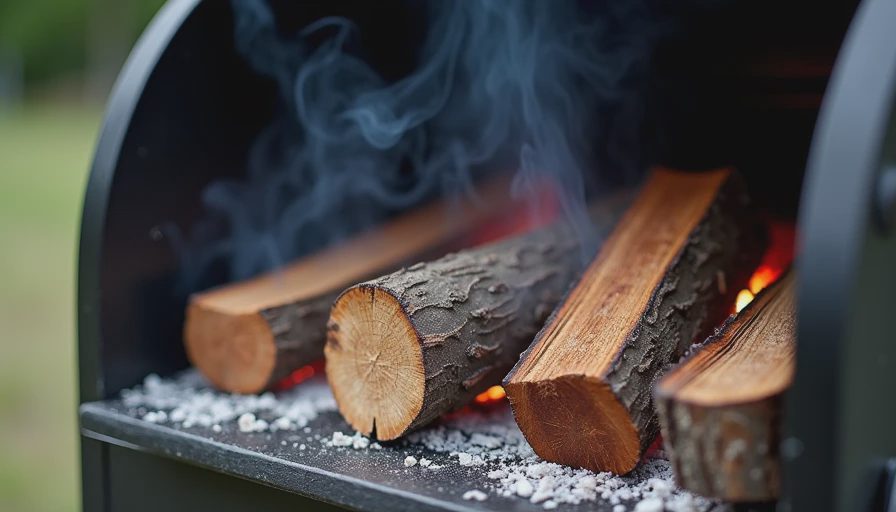
My basic approach is simple:
Oak as the main fuel for heat and steady smoke.
A little hickory mixed in for classic backbone flavor, especially on pork.
A little apple or cherry at the beginning for color and gentleness.
On a pellet grill you can buy pure oak, hickory, or fruitwood pellets and mix them in the hopper. On a kettle you toss a few chunks onto the charcoal snake. On an offset you burn oak splits and add a chunk or two of the others as needed.
You do not need a different wood for every meat. You do not need to age wood for three years in a climate-controlled shed. You do not need to source wood from a specific county in a specific state. Dry, seasoned hardwood that burns clean will get you further than exotic labels.
The Mistakes That Make Any Wood Taste Bad
Even the best wood will ruin a cook if the fire is dirty. Thick white smoke means incomplete combustion—usually from green wood, restricted airflow, or too much wood added at once. The fix is better airflow and smaller, more frequent additions until the smoke turns thin and blue or almost invisible.
I used to think more smoke equaled more flavor. It doesn’t. Clean smoke equals good flavor. Dirty smoke equals bitter meat that no sauce can fully hide. Once I started chasing clean thin smoke instead of maximum smoke, every wood I used tasted better.
Another common mistake is using wood chips on a long cook. Chips are fine for a short grill session, but they burn up too fast and can smolder instead of combust cleanly. Chunks or splits are better for anything that stays on the cooker more than an hour or two.
What About Mesquite, Pecan, and the Rest?
Mesquite is strong and burns hot. It works for short, hot cooks or for people who already know how to keep it from turning bitter. For beginners it is an easy way to overdo the smoke. Pecan is excellent and sits somewhere between hickory and fruitwood, but it is not required when you already have the core three. Maple, alder, and the specialty blends can be fun later. They are not necessary at the start.
Master oak, hickory, and one fruitwood first. Once you can produce clean smoke and consistent results with those, you will have a clear baseline for judging whether any other wood is actually adding something you want.
Building a Simple Wood Habit
Keep a small stack of oak as your everyday fuel. Keep a smaller amount of hickory and apple or cherry for mixing. Store them off the ground and under cover so they stay dry. That’s an entire wood program that costs less and takes up less space than the “collector” approach most of us try at first.
When someone asks me what wood to buy for their first smoker, I give them this exact list. It removes the decision fatigue and lets them focus on learning temperature control and clean fire management—the skills that actually determine whether the meat turns out good.
You can make excellent barbecue with these three woods for years. Plenty of people never feel the need to expand beyond them. That is not a limitation. That is efficiency.
So skip the wall of bags with fancy names. Grab oak for the base, hickory for classic flavor, and apple or cherry for a lighter touch. Burn them clean. Pay more attention to the color of the smoke than the label on the bag.
Low and slow, and don’t overthink it.
The meat will taste like you knew what you were doing. And you will.


No letters yet — be the first to write.