Why Most First Briskets Fail Before the Meat Even Hits the Grate
I burned my first three briskets so badly the dog wouldn’t even look at them. Not because the meat was bad. Not because my smoker was junk. Because I treated the whole thing like a restaurant service where every degree and every minute had to be perfect. Spoiler: your backyard doesn’t run on restaurant rules.
You’re not cooking for a judge panel or a dining room full of paying customers. You’re cooking for people who will still love you if the bark is a little soft or the point needs an extra hour. That mental shift is the real starting line.
Low and slow, and don’t overthink it. That’s the whole game.
What You’re Actually Buying (And What to Skip)
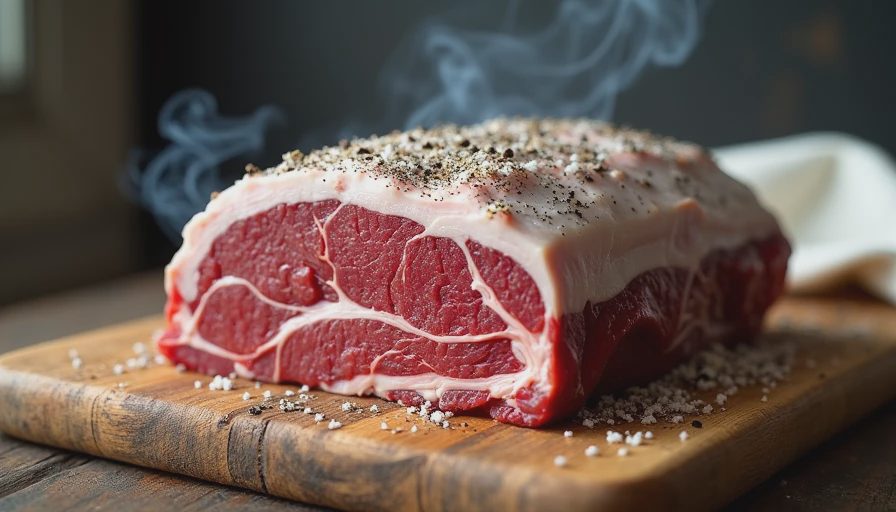
Walk into any grocery store or butcher counter and you’ll see two main options: the full packer and the flat-only. For your first smoke, buy the full packer. Yes, it’s bigger. Yes, it costs more up front. It also gives you the point (the fatty end that becomes burnt ends later) and enough fat to keep the lean flat from turning into shoe leather.
Look for a packer between 12 and 14 pounds. Anything much bigger and you’re staring at a 16-hour cook on a smoker that still has a learning curve. Trim the hard fat cap down to about a quarter-inch. Leave the soft fat alone. You’re not sculpting a competition entry; you’re giving the meat a fighting chance.
Skip the fancy injection kits and the $40 “brisket butter.” Salt, pepper, maybe a little garlic powder if you feel fancy. That’s it. The rub is not the hero. The temperature control is.
The Night-Before Move That Saves Your Sleep
Here’s the part almost nobody tells beginners: you do not have to start the fire at 10 p.m. and stay up until the stall breaks.
The night before, take the brisket out of the fridge, trim it, season it hard with kosher salt and coarse black pepper (about equal parts by volume), and put it back in the fridge uncovered on a wire rack. That overnight rest lets the salt start working and the surface dry out so the bark forms cleaner the next day.
Morning of the cook, pull the meat out while you get the smoker going. You’re aiming for a steady 250–275°F. I don’t care if it’s an offset, a pellet, a kettle with a snake, or that old bullet smoker your uncle left in the garage. Stabilize the temp first. Meat goes on only when the cooker is happy.
The Actual Cook Timeline That Doesn’t Ruin Your Weekend
Put the brisket on fat-side down if your heat source is below (most offsets and pellets). Fat-side up if you’re running a kettle or anything where the heat is more even. Close the lid. Walk away.
Every hour or so, check the fire and the wood. You’re looking for clean, thin blue smoke—not thick white clouds that smell like a campfire someone forgot to tend. If the smoke is dirty, open the vents a little or add smaller splits more often. Dirty smoke is the fastest way to bitter bark.
Around the 5–7 hour mark you’ll hit the stall. The internal temperature will sit somewhere between 150 and 170°F and refuse to move. This is normal. The moisture evaporating from the surface is cooling the meat as fast as the heat is raising it. Do not panic. Do not crank the temperature. Do not open the lid every ten minutes to “check.”
This is where most first-timers either abandon ship or wrap too early and end up with steamed meat. Wait until the bark looks set—dark, dry, and not sticky when you poke it gently with a finger. For most people that’s somewhere around 165–175°F internal. Then wrap.
The Wrap That Lets You Go to Bed
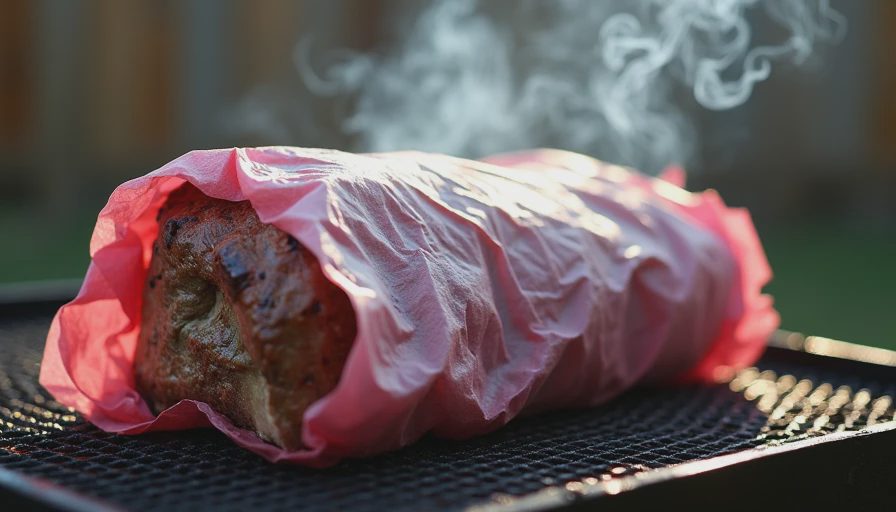
I use butcher paper. It’s breathable enough that the bark keeps developing but tight enough that the stall ends and the meat pushes through to the finish. Foil works too if that’s what you have; just expect a softer bark.
Wrap the brisket tightly, put it back on the smoker, and keep the same 250–275°F. Now the internal temperature will climb again. You’re looking for 195–203°F in the thickest part of the flat, and more importantly, a probe that slides in with almost no resistance—like warm butter.
Once it probes tender, pull it. Leave it wrapped and rest it in a cooler (no ice) or a turned-off oven for at least an hour, preferably two. That rest is non-negotiable. The juices redistribute. The fibers relax. You get slices that don’t fall apart into sad shreds.
Slicing Without Ruining Everything You Just Did
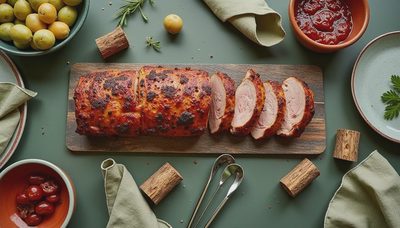
Separate the point from the flat. Slice the flat against the grain into pencil-thick pieces. The point can go into cubes for burnt ends later or get sliced a little thicker. If the flat looks dry, that’s usually a sign you either trimmed too aggressively or ran the cooker hotter than you thought. Next time, leave a little more fat and trust the lower end of the temperature range.
Serve it with whatever sauce you like on the side. In Kansas City we put sauce on almost everything, but a well-cooked brisket doesn’t need to hide under it.
The Three Mistakes I Still See Every Weekend
Starting with a tiny flat instead of a full packer. You lose the safety net of the point and the extra fat.
Chasing exact temperatures instead of watching the meat. Thermometers lie. Tenderness doesn’t.
Skipping the rest because people are hungry. Hungry people can wait one more hour. Dry brisket lasts forever in their memory.
What Success Actually Looks Like on a Tuesday Night
You’re not aiming for the perfect competition slice that wins a trophy. You’re aiming for the version where your kids ask for seconds and your spouse doesn’t quietly order pizza later. The bark should have some chew. The smoke ring is nice but optional. The flavor should taste like beef that hung out with clean smoke for a while—not liquid smoke and regret.
I’ve cooked brisket for restaurant tickets and for little-league teams. The backyard version is more forgiving and, if I’m honest, more fun. You get to make the call on when it’s done. You get to decide that 275°F is fine even if some internet expert swears by 225. You get to wrap when the bark looks right instead of when a spreadsheet says so.
That’s the whole point of doing this at home.
So season it the night before. Fire the smoker when you wake up. Wrap when the bark sets. Rest longer than you think you should. Slice against the grain. And remember the only rule that actually matters: low and slow, and don’t overthink it.
Your first brisket doesn’t have to be perfect. It just has to be better than the last one. And the one after that will be better still.
Now go buy the packer. You’ve got this.


No letters yet — be the first to write.