Beef brisket was the cut that taught me patience. I have turned out great ones, and I have also made enough dry, angry slabs to fill a catering horror reel. The good news is that beef brisket does not need a $3,000 smoker or a secret handshake. It needs steady heat, a sane trim, and enough rest time to let the meat relax. If you can hold a fire in the 250 to 275 degree range and resist poking it every ten minutes, you are already halfway there.
Start with the Right Packer
A good beef brisket usually starts with the whole packer cut, not just the flat. The packer gives you the lean flat and the fattier point, which gives you more room for error and better flavor when the cook runs long. If you are shopping at Costco, Sam's Club, or a local grocery store, look for a brisket with a thick, even flat and some marbling through the point. I would rather buy a 12-pound brisket with decent fat than a 17-pound monster that looks pale and tight.
Price matters too. In a normal week, I expect to see packers somewhere around $4 to $8 a pound, with prime costing more and holiday sales sometimes dropping the number a little. If you are feeding a family, that sounds like a lot of money. It is also a lot of food. A trimmed brisket can feed a crowd, and the leftovers make you look like a genius the next day. The trick is not buying the biggest one in the cooler. The trick is buying the one with the best shape and the least ugly fat.
When I trim beef brisket, I spend more time looking at the shape than the label. A brisket with a thin edge on the flat can dry out before the middle is ready. A better one has a flat that stays fairly even from end to end, so the whole cut finishes closer to the same time. That is what makes slicing easier and keeps you from serving one side like candy and the other side like pot roast.
Trim for Bark, Not for Show
Trim it like you want seasoning to hit the meat, not sit on top of a waxy shield. That means shaving down the hard fat seams, especially the big hunk between the flat and the point, and cleaning up any ragged edges that will burn before the center is done. I usually leave about a quarter inch of fat on the cap. Too much and the rub slides off. Too little and you lose some insurance against heat.
For seasoning, simple wins. I use coarse kosher salt and black pepper most of the time, usually close to a 50/50 mix by volume. If you like garlic powder or a little paprika, fine. Just do not bury the meat under a grocery aisle worth of spice. Beef already brings the flavor if you give it a clean surface and enough time. After seasoning, let it sit while the rub gets tacky. That helps the bark hold later.
One thing I learned the hard way: trimming for the shape of the brisket matters almost as much as trimming for fat. If the thinner end of the flat is wildly tapered, fold it under slightly or even square it off a bit so it does not dry into jerky while the thicker side catches up. That tiny bit of knife work is the difference between a decent dinner and a tray full of people asking for sauce.
Hold a Steady Cook
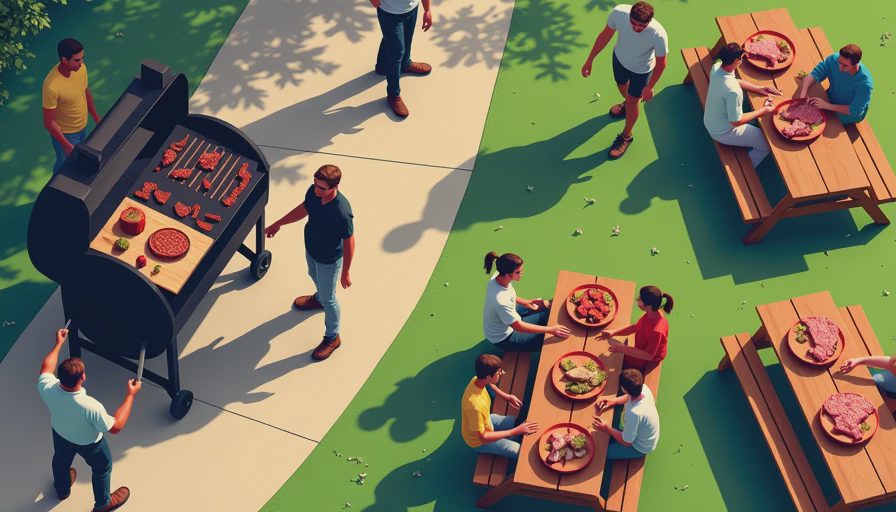
During the cook, beef brisket rewards boring consistency. I want clean fire, steady airflow, and a dome temperature that lives in the mid-250s rather than bouncing all over the map. You do not need a perfect smoke stack or a boutique pellet rig to make this happen. A cheap offset, a kettle with a charcoal snake, or a regular pellet smoker can all get you there if you stop fighting the cooker every few minutes.
Look for thin blue smoke, not a white cloud that tastes like an old campfire shirt. If you are using wood chunks, start small. Hickory, oak, and post oak are all solid choices. I like to keep the lid closed, because every peek dumps heat and stretches the cook for no good reason. Spritzing with water or apple cider vinegar is optional, not magic. If the bark is setting fine, leave it alone.
The stall is real, and it is where a lot of people panic. The brisket can sit for what feels like forever while moisture evaporates and the internal temp hangs. That does not mean the cook failed. It means the meat is doing meat things. You can ride it out, or you can wrap once the bark looks right. Pink butcher paper gives the bark a little more breathing room. Foil moves faster but softens the bark. I use whichever fits the day.
Rest Longer Than You Think
The moment beef brisket comes off the pit is not the moment to slice it. That is where so many good cooks get wrecked. The juices need time to settle back into the meat, and the fibers need a chance to relax after hours in the heat. I want at least one hour of rest, and two to four hours is even better if you can hold the temperature safely in a cooler or warm oven.
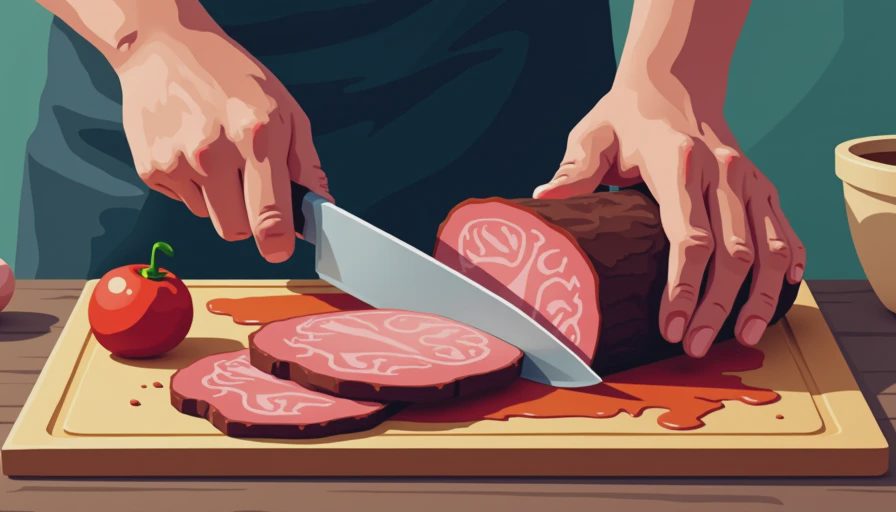
Do not skip this part because everybody is hungry. Hungry people can wait. Dry brisket is forever. Wrap the meat in butcher paper or foil, then put it in a dry cooler with towels around it, or hold it in an oven around 150 to 170 degrees if your oven will go that low. When you slice, go across the grain on the flat, and change direction when you hit the point. A sharp slicing knife makes this a lot easier.
If the flat is tender but still a little tight, slice it thinner. If the point is rich and soft, cube it for burnt ends, or serve thicker slices for people who want a meatier bite. I like to separate the point from the flat before serving if the cook gave me a clean seam, because that makes the slices look better and the texture stays more even.
Fix the Common Mistakes Before They Cost You Dinner
Most brisket problems come from the same three places: the trim was wrong, the heat swung too much, or the rest was too short. Dry meat usually means the flat was too lean, the cook ran hot, or you sliced too soon. Bitter bark usually means the smoke was dirty or the rub was overloaded. A stubborn rubbery bark usually means you wrapped too early and smothered it before it set.
If you want a simple test, use a probe or skewer instead of trusting the clock. It should slide into the flat and point with little resistance, somewhere around the feel of warm butter. The number on the thermometer matters less than that feel. I have pulled briskets that looked wrong at 195 degrees and others that needed a little more time past 200. Meat does not care about your schedule.
Leftovers are where the whole project starts paying rent. Thin slices make great sandwiches with pickles and white bread. Chopped point turns into tacos, baked potatoes, or hash. If the flat dries out a little in the fridge, warm it gently with a splash of broth in a covered pan. Low and slow, and don't overthink it. That is the whole game. If you want more backyard smoke help, start with the smoker you already own and keep cooking until the repeats feel easy.


No letters yet — be the first to write.