If you want to know how to make pulled pork without turning dinner into an all-day science project, start with a pork shoulder, a steady cooking temperature, and a little patience. You do not need a $3,000 smoker or a secret competition rub. I have cooked pork on an old offset, a pellet grill, and a kettle charcoal grill, and the basic method stays the same: season generously, cook low and slow, and wait until the meat is tender.
Choose the right cut and prepare it
Buy a bone-in pork butt, which is actually the upper part of the shoulder. A 7- to 9-pound roast is a practical size for a family gathering and usually provides plenty of leftovers. The bone is not magic, but it gives you a useful tenderness check: when the roast is ready, it should wiggle freely and pull away cleanly.
Trim away thick, hard pieces of surface fat, but leave a thin layer behind. That fat will soften during the cook. I usually score the fat cap lightly with a knife, then coat the pork with yellow mustard or a thin layer of hot sauce. Neither adds a strong flavor after several hours; they simply help the seasoning stick.
For a simple Kansas City-style rub, mix kosher salt, brown sugar, paprika, black pepper, garlic powder, onion powder, and a little chili powder. Apply it heavily because a large shoulder has a lot of meat. Season the pork the night before if you can, then place it uncovered in the refrigerator. If you are cooking today, let the seasoned roast sit while the smoker heats.
Build a steady fire
Set your smoker between 250 and 275 degrees Fahrenheit. This range is forgiving and gives the shoulder enough time to develop a dark, flavorful bark. Pellet grills make temperature control easy, while an offset smoker requires small adjustments to the fire and vents. A kettle grill works too; bank the charcoal on one side and keep the pork over indirect heat.
Use a reliable probe thermometer at grate level. The built-in dial on many smokers can be off by 25 degrees or more, and that difference adds up during a long cook. For an offset, I prefer a clean-burning fire that produces thin, almost invisible smoke rather than billowing white clouds. Heavy smoke can leave the outside bitter.
Place the pork with the fat cap facing the hotter side of your cooker. On many backyard smokers, that means fat side toward the firebox. Add a small amount of wood every so often instead of loading the smoker with logs. Hickory, oak, apple, and cherry all work. You are seasoning the meat with smoke, not trying to bury it.
How to make pulled pork without chasing the clock
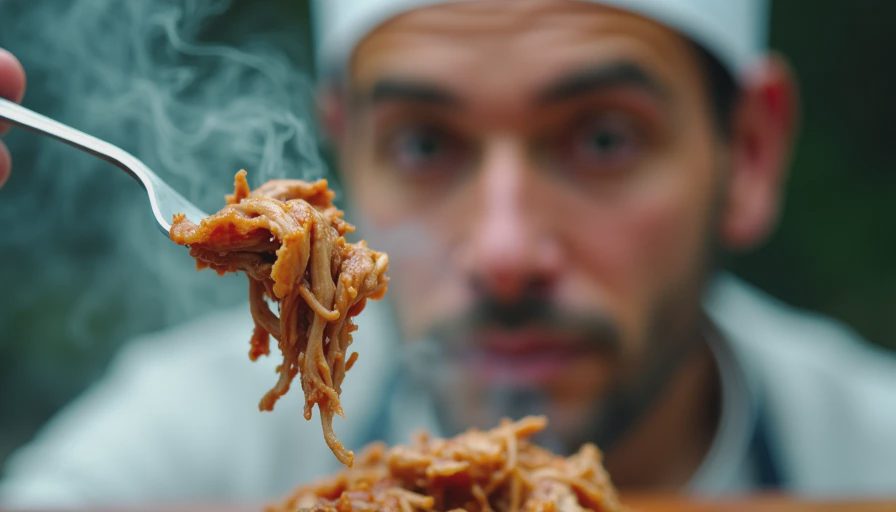
The most useful answer to how to make pulled pork is to cook by tenderness, not by a strict timetable. A shoulder may take eight hours, or it may take twelve. The stall, weather, meat thickness, and cooker temperature all matter. Plan for roughly 1 to 1 1/2 hours per pound, but treat that as scheduling information rather than a promise.
For the first several hours, leave the lid closed. Every peek releases heat and extends the cook. Start checking the internal temperature after the pork reaches about 160 degrees. At that point, evaporation from the meat can slow the temperature rise. This is called the stall, and it is normal.
You can wait it out for a firmer bark, or wrap the pork in unwaxed butcher paper or heavy-duty foil. Paper preserves more bark, while foil speeds the cook and holds in more moisture. Add a small splash of apple juice, cider vinegar, or broth if you wrap, but do not drown the roast. It already contains plenty of moisture.
Know when the shoulder is done
Temperature is a guide, not the final answer. Most pork shoulders become pull-apart tender somewhere around 195 to 205 degrees, but I start probing at 195. Slide an instant-read thermometer into several spots, avoiding the bone. The probe should glide through the meat with little resistance, like pushing into softened butter.
If it still feels tight, keep cooking. A roast at 198 degrees can be tough, while another at 203 degrees can be perfect. This is the part many new cooks miss: tenderness comes from connective tissue breaking down, not from hitting one sacred number. If the bark is getting too dark before the center is tender, keep it wrapped and lower the cooker slightly.
I learned this the hard way during a backyard competition practice. I pulled a shoulder at 190 because dinner guests were waiting, then spent fifteen minutes trying to shred rubbery pork. Now I build in extra time and hold the finished roast instead of rushing it.
Rest, pull, and season the meat
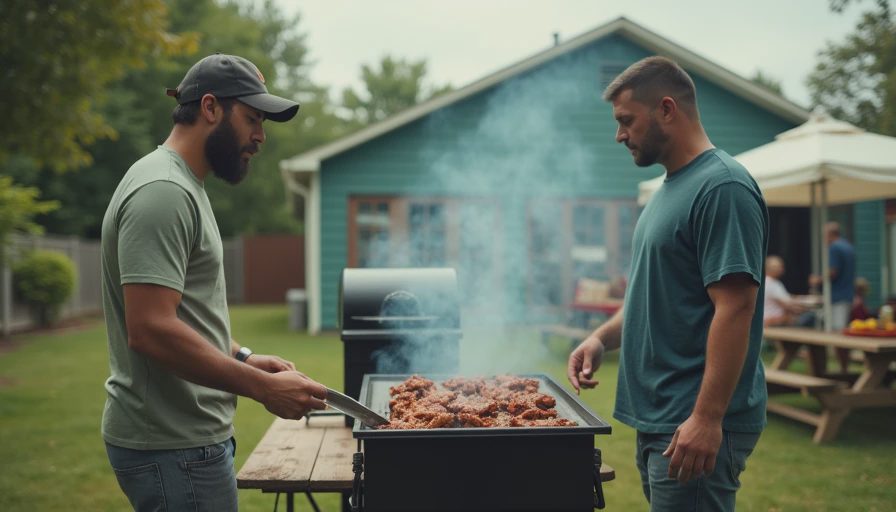
Once the pork is tender, place it in a clean pan and loosely cover it. Let it rest for at least 30 minutes; an hour is even better. If it is wrapped, crack the package open briefly so carryover cooking does not make the bark soggy, then close it again. A rested shoulder loses less juice when you pull it.
When you shred it, remove the bone, large pockets of fat, and any tough connective tissue. Use gloved hands, two forks, or meat claws. Separate some of the bark and mix it through the lighter interior meat so every serving gets smoky, seasoned pieces.
Taste before adding sauce. If it needs brightness, sprinkle in a little cider vinegar or finishing sauce. If it tastes flat, it may need salt rather than more barbecue sauce. Serve sauce on the side so guests can choose between a dry-rubbed sandwich and a saucier plate.
Make the meal ahead and serve it well
Pulled pork is one of the best barbecue foods for making ahead. After pulling, store it in a covered container with its juices. Refrigerate it within two hours, then reheat it gently with a splash of broth or sauce. A covered pan in a 275-degree oven works well, and smaller portions reheat faster without drying out.
Pile the pork onto toasted buns with crunchy slaw, pickles, and a little sauce. It also works over baked potatoes, nachos, mac and cheese, or rice. For a crowd, a 7-pound raw shoulder often gives enough cooked meat for sandwiches after moisture and fat are lost, but plan generously if you want leftovers.
If you are still wondering how to make pulled pork on the equipment you already own, remember the order: steady heat, clean smoke, enough seasoning, a thermometer, and a long rest. Low and slow, and do not overthink it. The perfect backyard roast is not about showing off gear; it is about serving tender pork while everybody is still hungry.




No letters yet — be the first to write.