A good burnt ends recipe is less about owning a $3,000 smoker and more about managing heat, seasoning, and patience. These smoky, sticky cubes are the best part of a brisket point, but you can also make excellent burnt ends from pork belly, chuck roast, or leftover rib meat. I have cooked them on an offset, a pellet grill, and a kettle, and the basic method holds up on all three. Low and slow, and don't overthink it.
What Makes Burnt Ends So Good
Traditional brisket burnt ends come from the fatty point section of a whole packer brisket. After several hours in the smoker, the meat develops a dark bark and becomes tender enough to separate with a fork. Cubing that point, adding sauce and a little sweetness, then returning it to the heat creates the familiar caramelized edges.
The trick is not burning the meat. The name refers to browned, concentrated edges, not blackened cubes that taste like charcoal. A reliable burnt ends recipe balances smoke, salt, pepper, fat, and sugar. The sauce should cling to every piece while the meat stays juicy inside.
For a first attempt, pork belly is the most forgiving choice. A two- to three-pound slab is easy to find, cooks faster than brisket, and contains enough fat to handle a little extra time. Brisket gives you deeper beef flavor, but it demands more attention during the first cook. Chuck roast lands between the two and works well when you want beef without buying an entire brisket.
Ingredients and Equipment
For pork belly burnt ends, use two to three pounds of skinless pork belly, two tablespoons of yellow mustard, three tablespoons of barbecue rub, one-third cup of barbecue sauce, two tablespoons of brown sugar, and two tablespoons of butter. Honey is optional, but I like one tablespoon when I want a glossy finish.
You will also need a smoker or grill that can hold roughly 250 degrees Fahrenheit, a sharp knife, a disposable aluminum pan, tongs, and an instant-read thermometer. A wire rack helps with airflow, but it is not essential. Apple, cherry, or pecan wood gives pork a pleasant smoke. Hickory works too, though I use it lightly because heavy smoke can overpower the sweet sauce.
If you are using brisket, replace the pork belly with cooked brisket point. Save the lean flat for slicing and use the fatty point for cubes. Do not trim every bit of fat away. Rendered fat is what keeps the cubes rich during the second stage.
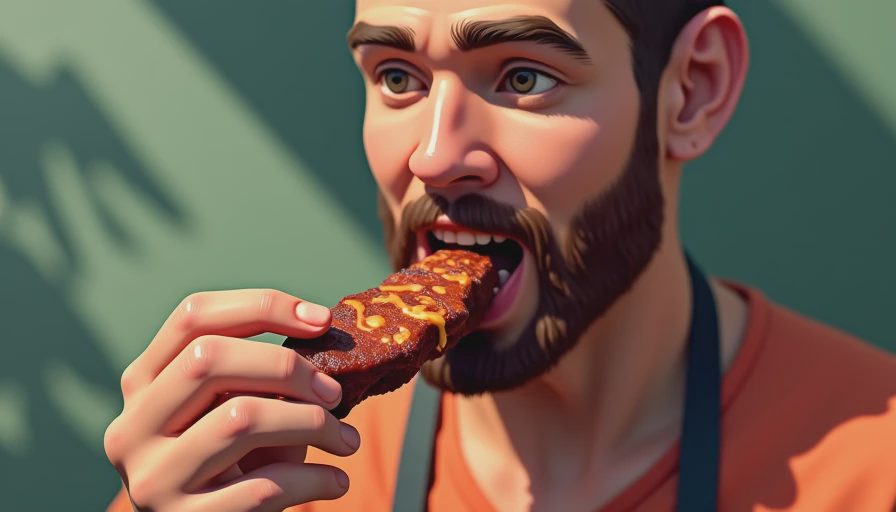
The Step-by-Step Method
Start by trimming the pork belly into pieces about one and a half inches square. Smaller cubes dry out before the bark develops, while oversized pieces can stay chewy in the center. Pat the meat dry, coat it lightly with mustard, and apply the rub evenly on every side. The mustard flavor will not dominate; it simply helps the seasoning stick.
Preheat the smoker to 250 degrees. Arrange the cubes with space between them and cook until the outside is dark red-brown and the pieces feel firm, usually about three hours. Temperature matters, but color and texture matter more at this stage. For pork belly, an internal temperature around 165 to 175 degrees is a useful checkpoint before cubing or saucing.
Move the smoked cubes into an aluminum pan. Add barbecue sauce, brown sugar, butter, and honey if using. Toss carefully so the bark stays attached. Cover the pan tightly with foil and return it to the smoker for 60 to 90 minutes. This covered stage softens the meat and lets the sauce turn sticky.
Uncover the pan and cook for another 20 to 30 minutes. Stir once, then check a cube with a fork. It should be tender but still hold its shape. If the sauce looks thin, leave the pan uncovered for another 10 minutes. If the edges are getting too dark, remove the pan immediately; residual heat will continue thickening the glaze.
How to Adapt This Burnt Ends Recipe for Brisket
For brisket burnt ends, smoke a whole brisket or point until the bark is set and the meat has reached roughly 165 to 175 degrees. Wrap it in butcher paper or foil, then continue cooking until the point is probe-tender. That often happens somewhere around 195 to 205 degrees, but tenderness is the real test. A thermometer should slide into the meat with little resistance.
Rest the brisket before separating the point. Cut the point into one- to two-inch cubes and place them in a pan with sauce, beef stock, and a small amount of brown sugar. Keep the added liquid modest. The meat already contains plenty of rendered fat, and too much stock can wash away the bark.
Return the pan to the smoker uncovered for 30 minutes, then cover it for another 45 to 60 minutes. This burnt ends recipe works best when the sauce reduces around the cubes rather than turning them into pot roast. Taste one piece before serving and add a pinch of rub or a splash of vinegar if the glaze feels too sweet.
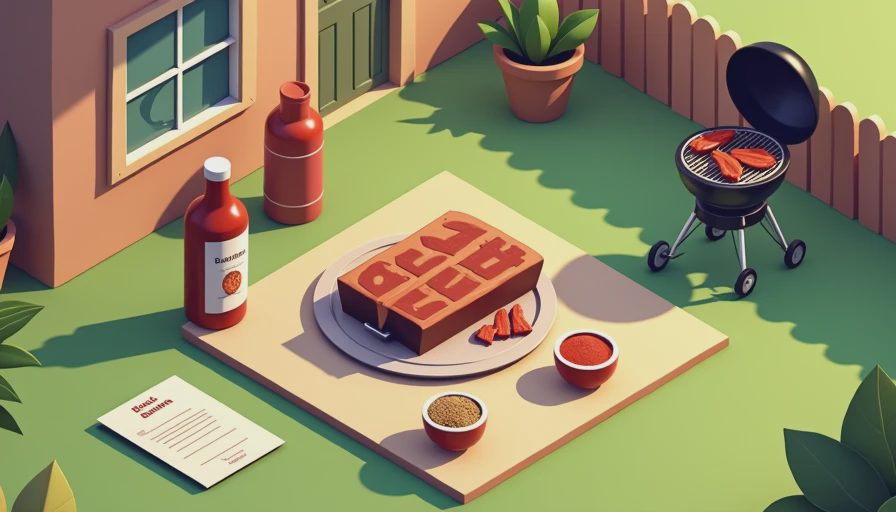
Common Mistakes That Ruin the Batch
The first mistake is cutting the meat too small. Quarter-inch cubes might look snackable, but they lose moisture quickly. Keep them large enough to protect the center. The second mistake is adding sauce too early. Sauce contains sugar, and sugar can scorch during a long smoke. Build bark first, then glaze later.
Another problem is chasing a perfect temperature number. Every smoker has hot spots, and every cut contains a different amount of fat. Use the thermometer as a guide, but judge the food by bark, tenderness, and moisture. I once followed the clock too closely on a windy October cook and served brisket cubes that were technically hot but still tight. The next batch took longer and was dramatically better.
Finally, do not flood the pan. A few tablespoons of sauce, butter, or stock are enough to create steam and a glaze. If the cubes are swimming, the bark will soften and the finished texture will be more like braised meat than barbecue.
Serving and Storing Your Burnt Ends
Serve the cubes hot with sliced white bread, pickles, coleslaw, or potato salad. For a Kansas City-style plate, use a sweet-and-tangy sauce rather than an aggressively spicy one. A little vinegar in the finishing sauce keeps the richness from becoming tiring after a few bites.
This burnt ends recipe also works as a party shortcut. Prepare the meat through the smoking stage earlier in the day, refrigerate it, and finish the cubes in the pan before guests arrive. Reheat leftovers in a covered skillet or oven-safe dish with a tablespoon of water. The microwave works for a small portion, but short bursts are better than one long blast.
Keep leftovers refrigerated and use them within three to four days. You can also freeze cooled burnt ends in a sealed container for about two months. Thaw them in the refrigerator, then warm them gently so the sauce stays glossy instead of drying out.
A Simple Game Plan for Your Next Cook
Choose pork belly if you want the easiest introduction, brisket point if you already have a packer on the smoker, and chuck roast if you want a beefy middle ground. Set the cooker near 250 degrees, use a clean-burning fire, and give the meat enough room for smoke to circulate. Make notes about the weather, wood, cooking time, and final texture in a notebook. That small habit will improve your results faster than buying another gadget.
The best burnt ends recipe is the one you can repeat on your own equipment. Use the method as a framework, taste as you go, and adjust the sauce to suit your table. You are looking for tender centers, chewy bark, and a glaze that makes everyone reach for one more cube. Low and slow, and don't overthink it.


No letters yet — be the first to write.