Burnt ends are the best part of a barbecue cook when you get them right: smoky cubes with dark edges, soft centers, and just enough sauce to make you reach for another one. They are not actually burned, and you do not need a $3,000 smoker to make them. A kettle grill, pellet grill, offset smoker, or even a basic electric smoker can handle the job. The real trick is understanding when the meat is ready for a second cooking stage.
In Kansas City, I have eaten plenty of excellent barbecue, but I have also made plenty of dry, chewy cubes in my own backyard. My worst batch came from rushing a brisket point because guests were arriving and I wanted to serve something impressive. The outside looked perfect. The inside needed a chainsaw. These days, I focus less on the clock and more on tenderness, moisture, and controlled heat. Low and slow, and don't overthink it.
What makes great burnt ends
Traditional burnt ends come from the brisket point, the thicker, fattier section of a whole packer brisket. After the brisket has smoked for several hours, the point is separated, cubed, seasoned again, and returned to the smoker with a little sauce or beef stock. That second cook renders more fat and builds the dark, sticky bark people want.
You can also make pork belly burnt ends, which are more forgiving and usually faster. Pork belly has plenty of fat, so the cubes stay rich while the edges caramelize. For a first attempt, pork belly is a smart choice. Buy a skinless slab, trim away any extremely thick exterior fat, and cut it into roughly 1 1/2-inch cubes. Smaller pieces can dry out before the bark develops.
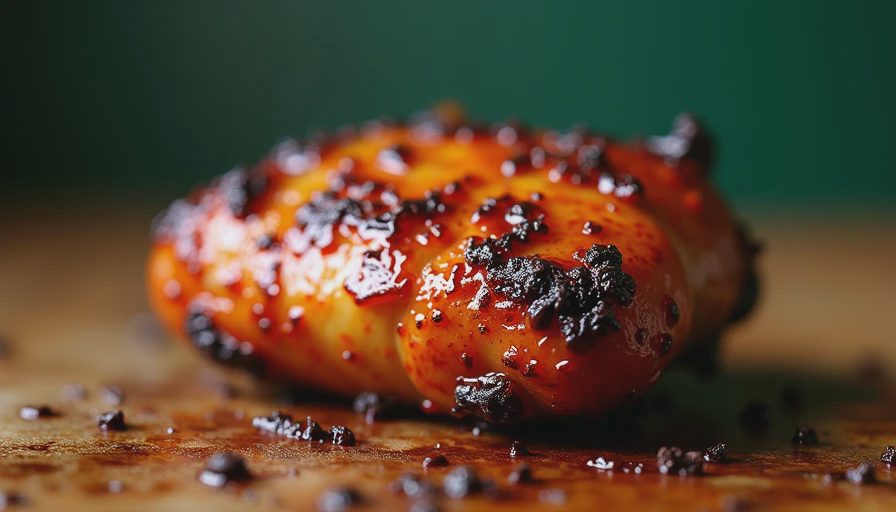
The goal is contrast. The outside should have a firm, seasoned crust, while the middle should feel soft when you bite through it. Sauce should glaze the meat, not turn the pan into soup. If the pieces are swimming in liquid, the bark will soften instead of becoming sticky and dark.
How to prepare the meat
For brisket burnt ends, start with a cooked brisket point that has already reached tenderness. If you are smoking a whole brisket, cook it at about 250 degrees Fahrenheit until the flat and point are tender when probed, often somewhere around 195 to 205 degrees internally. Temperature is only a guide. A thermometer should slide into the meat with little resistance, like pushing into softened butter.
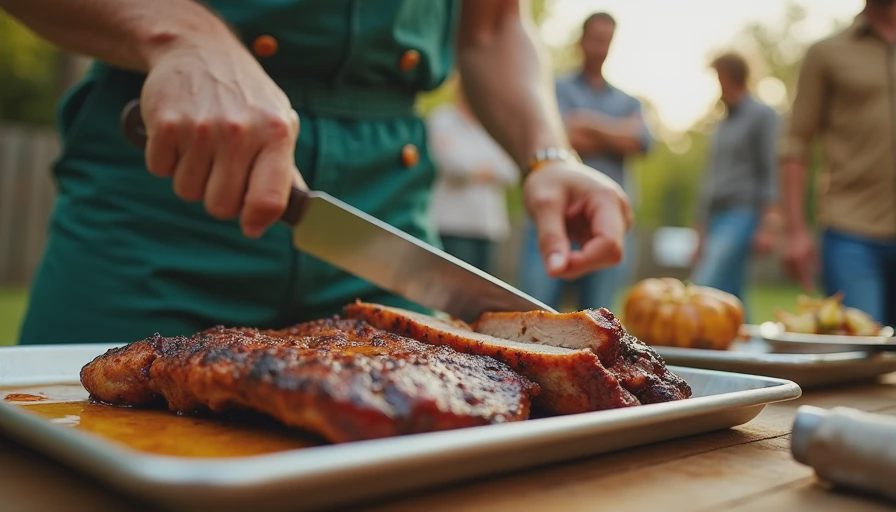
Let the brisket rest before separating the point from the flat. I usually give it at least an hour in a cooler or an unheated oven, wrapped loosely enough that steam does not destroy the bark. Cut the point into 1 1/2-inch cubes, then place them in an aluminum pan. Add a light dusting of your barbecue rub. If the original brisket was heavily seasoned, use less than you think you need.
For pork belly, season the cubes with barbecue rub and arrange them in a single layer on a wire rack or foil-lined tray. Smoke them at 250 degrees for about two to three hours, until the surface is dark and the fat has started to render. Do not judge the meat by color alone. Pale cubes can still be tender, and dark cubes can still be tough if the heat ran too high.
The finishing pan is where the magic happens
Once the meat has good smoke and bark, move it into a pan for the finishing stage. Add two or three tablespoons of butter, a few tablespoons of brown sugar, and enough barbecue sauce to coat the cubes lightly. For brisket, I often add a small splash of beef stock. For pork belly, apple juice or cider can work well, but keep the amount modest.
Cover the pan tightly with foil and return it to the smoker at 250 to 275 degrees. This creates a steamy environment that helps soften the meat and render the remaining fat. Give brisket cubes about one to two hours. Pork belly often needs 60 to 90 minutes. The exact time depends on cube size, fat content, and how hot your cooker actually runs.
Open the pan when the pieces feel tender. Stir carefully so you do not break them apart, then cook uncovered for another 15 to 30 minutes. That final uncovered stretch lets the sauce tighten into a glaze. Burnt ends should look shiny but not wet, with sauce clinging to the corners.
Choosing rub, sauce, and smoke
A basic rub is enough. Kosher salt, black pepper, paprika, garlic powder, and a little brown sugar will give you a balanced starting point. Commercial blends from Meat Church, Kosmos Q, and Killer Hogs are convenient, but the brand matters less than using a seasoning you already enjoy on ribs or pulled pork.
For sauce, choose one that matches your taste and thin it if it is very thick. Sweet Kansas City-style sauce is classic, but a less sugary sauce lets the smoke and meat stand out. I like mixing two parts barbecue sauce with one part pan juices rather than pouring sauce straight from the bottle. That keeps the glaze savory and prevents a candy-like crust.
Use a clean, mild smoke. Oak, hickory, and pecan are dependable choices. If you are cooking on a pellet grill, a stronger smoke tube is not required; a longer cook and good airflow usually provide enough flavor. On an offset smoker, avoid heavy white smoke. If the smoke smells sharp or acrid, the meat will taste the same.
Common mistakes that ruin the batch
The biggest mistake is cubing meat before it is tender. A sauce cannot rescue undercooked brisket. The second is cutting pieces too small. One-inch cubes look generous in the pan but lose moisture quickly. Another common problem is adding too much sugar too early. Sugar can scorch, especially when the cooker climbs above 300 degrees.
Do not keep opening the smoker every ten minutes. Each peek releases heat and extends the cook. Check the pan after the first hour, then use a skewer or thermometer probe to test tenderness. If the cubes are dry but still firm, add a few tablespoons of stock and cover them again. If they are tender but pale, uncover the pan and let the glaze set.
I also recommend making a small test batch when trying a new sauce. Set aside four or five cubes, use different sauce amounts, and compare them after 20 minutes uncovered. That little experiment can save an entire pan from becoming too sweet or too salty.
Serving and storing your burnt ends
Serve burnt ends hot, with white bread, pickles, sliced onions, or a simple cabbage slaw. They are rich, so sharp and crunchy sides help balance the plate. At my house, Kate puts out extra napkins before I even carry the pan inside, and Colt treats the first sample like a quality-control inspection.
Leftovers keep in a sealed container in the refrigerator for about three to four days. Reheat them covered in a small pan with a splash of stock or apple juice. An air fryer also works for a quick reheat, but use moderate heat so the glaze does not scorch. You can chop leftovers into sandwiches, fold them into baked beans, or serve them over mac and cheese.
The best burnt ends are not about owning the right cooker or copying a competition recipe exactly. They come from patient smoking, correctly sized cubes, enough moisture in the finishing pan, and a final uncovered glaze. Keep notes in a notebook, especially about weather, cooker temperature, and timing. Make one adjustment on the next cook instead of changing everything at once. Low and slow, and don't overthink it.

No letters yet — be the first to write.