The First Thing I Check After the Meat Goes On
I used to obsess over thermometer readings and exact wood combinations. Then I burned enough bark and ruined enough briskets to learn a simpler truth: the color and quality of the smoke coming out of your cooker tells you more about the final flavor than almost any other single factor.
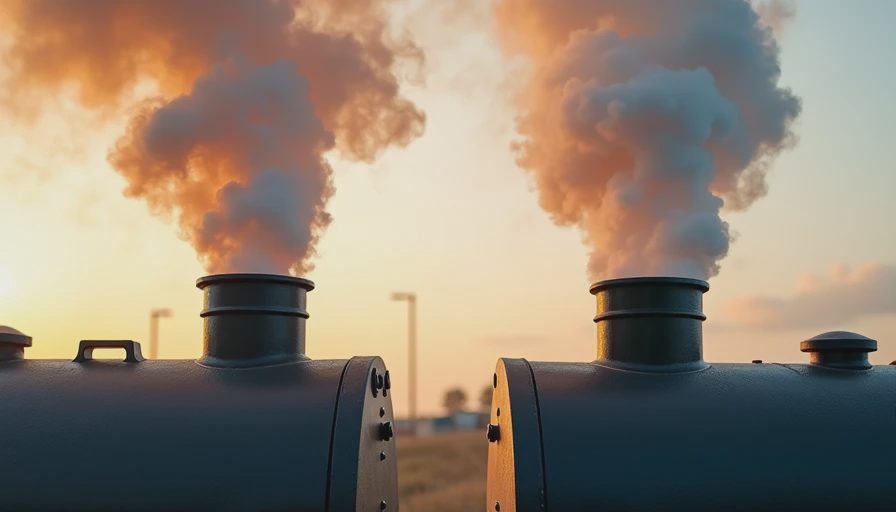
Thick, billowing white smoke looks dramatic. It photographs well. It also makes meat taste bitter, ashy, and one-dimensional. Thin, almost invisible blue or light gray smoke looks boring. It also produces the clean, balanced flavor that makes people ask for seconds.
Learning to read the smoke is one of the highest-leverage skills a backyard cook can develop. It costs nothing, works on every type of smoker, and prevents more bad meals than any fancy gadget.
Low and slow, and don’t overthink it. But do look at the smoke.
What Clean Smoke Actually Looks Like
Clean smoke is thin. Sometimes it is a faint blue stream. Sometimes it is so light you can barely see it against the sky. It should smell sweet or neutral, like a distant campfire that someone is tending properly—not like a house fire or a wet leaf pile.
On a well-running offset you will see a steady, thin plume coming from the stack. On a pellet grill the exhaust is often nearly invisible once the cooker is up to temperature. On a kettle the smoke rising from the top vent should be light and intermittent rather than a constant thick cloud.
This is the smoke you want for the majority of the cook, especially after the first 30–60 minutes. It means the wood or pellets are combusting efficiently. The compounds that reach the meat are the ones that taste good instead of the ones that taste like creosote.
What Dirty White Smoke Means (And Why It Ruins Bark)
Thick white or gray smoke is incomplete combustion. The wood is smoldering instead of burning cleanly. That produces heavier particles and bitter compounds that stick to the surface of the meat. The longer you run dirty smoke, the more of that bitterness builds up in the bark and the outer layers.
I learned this the expensive way. Early on I thought heavy smoke equaled heavy flavor. I would load the firebox, close the vents too far, and watch proud white clouds roll out. The bark looked dark. The meat smelled strong. Then we tasted it and everyone reached for the sauce bottle like it was a life raft.
Dirty smoke is usually caused by one of four things:
Wood that is too wet or green
Not enough airflow
Too much wood added at once
Temperature that is too low for the amount of fuel
The fix is almost always the same: improve airflow, reduce the fuel load temporarily, and let the fire burn hotter and cleaner until the smoke thins out.
How to Get Clean Smoke on Each Type of Cooker
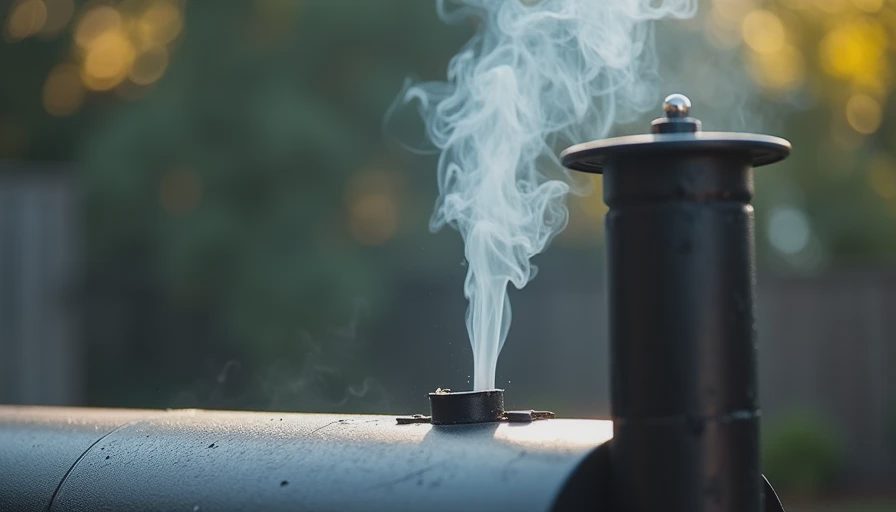
On an offset, start with a small, hot fire and established coals before you add the main cooking wood. Leave the firebox door or vents open enough that the fire can breathe. Add smaller splits more frequently rather than large loads that smother the coals. Watch the stack. When the smoke turns thin and blue, you are in the good zone. If it goes white and thick, open the vents or the door briefly and let it clean up before you close things down again.
On a pellet grill, dirty smoke is less common once the cooker is fully up to temperature, but it can happen during startup or if the pellets are low quality or damp. Let the grill run through its initial startup cycle with the lid open if the manufacturer recommends it. Use fresh, dry pellets. If you see persistent thick smoke after the first 20–30 minutes, check that the fire pot is clean and the auger is feeding properly.
On a kettle with the snake method, light only one end of the charcoal chain and give it time to establish. Add wood chunks after the charcoal is burning well, not on top of unlit fuel. Keep the top and bottom vents at least partially open. Thick smoke early is normal; thick smoke two hours in means something is smothering.
The First Hour vs the Rest of the Cook
A little white smoke at the very beginning is normal while the fire establishes and residual moisture burns off. I do not panic over the first 20–30 minutes. After that, I want the smoke to clean up and stay clean.
Some people deliberately run heavier smoke early for “more flavor.” I have tested both ways side by side more times than I can count. The clean-smoke cooks consistently taste better. The heavy-smoke cooks need more sauce and still leave a slight aftertaste. Once you taste the difference, you stop chasing the white clouds.
A Simple Field Test You Can Do Today
Next time you light the smoker, step back and look at the exhaust for a full minute. Ask yourself:
Is the smoke thin enough that I can see through it?
Does it rise and disappear quickly, or does it hang and billow?
Does it smell sharp and acrid, or mild and pleasant?
If the answers are “thick, hangs, and sharp,” fix the fire before you worry about anything else. Temperature can be corrected later. Bitter bark is harder to undo.
I keep a mental note of the smoke color the same way I watch the thermometer. Both matter. Smoke quality often matters more for the final eating experience.
Common Myths That Keep People Producing Dirty Smoke
Myth one: more smoke equals more flavor. Reality: clean smoke equals better flavor. Volume is not the goal.
Myth two: you need specialty wood to get good smoke color. Reality: dry oak, hickory, or fruitwood burned with proper airflow produces excellent clean smoke. The label matters less than the combustion.
Myth three: white smoke is fine as long as the temperature is right. Reality: you can hold 250°F with dirty smoke and still end up with bitter meat. Temperature and smoke quality are related but separate issues.
What Clean Smoke Sounds Like in Real Life
When the fire is right, the cooker makes a soft, steady sound. On an offset you hear a gentle pull through the stack. On a pellet the fan has a consistent note. On a kettle the air moves quietly through the vents. Dirty fires often sound quieter or more muffled because airflow is restricted.
I have learned to trust my eyes and nose more than any single number on a thermometer. The thermometer tells me the air temperature. The smoke tells me what that temperature is doing to the flavor.
Putting It Into Practice on Your Next Cook
Start the fire the way you normally do. Once the cooker is near temperature and the meat is on, check the smoke every 30–45 minutes for the first couple of hours. Make small adjustments to vents or fuel until the exhaust stays thin. Then leave it alone as much as possible.
You will notice the bark forms more evenly. The finished meat will taste cleaner. People will comment on the flavor instead of reaching for the sauce first.
This one skill—reading and correcting the smoke—will improve every cook you do from now on, regardless of which smoker you own or which wood you burn.
So next time you see thick white clouds rolling out, treat it as information, not atmosphere. Open the vents, reduce the fuel load, and wait for the smoke to thin. The meat will thank you.
Low and slow, and don’t overthink it.
But do watch the smoke. It is trying to tell you how the food is going to taste.


No letters yet — be the first to write.