Low and slow, and don’t overthink it.
That’s the only rule I live by when the smoker’s lit and the neighborhood starts smelling like something good is about to happen. But if I’m being honest, there’s one plate that makes me break my own rule just a little. One bite that still stops me in my tracks every single time. Burnt ends.
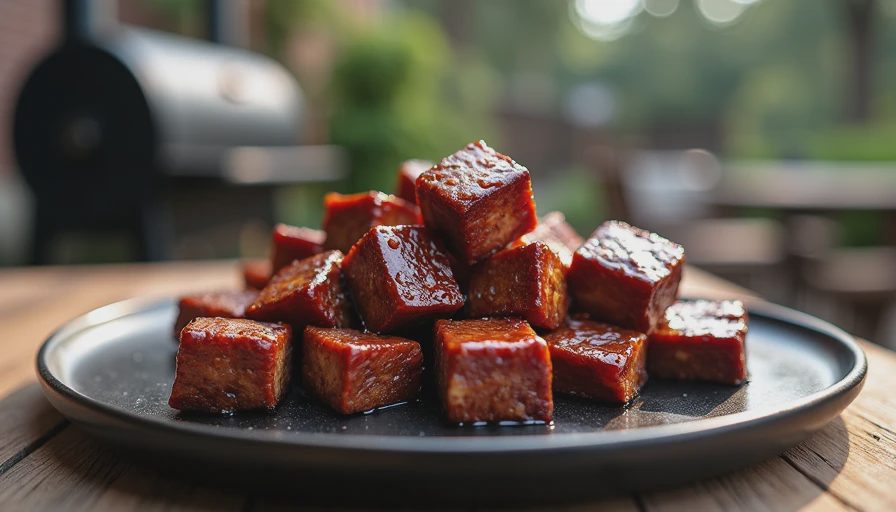
Not the fancy competition version polished for judges. Not the Instagram cubes arranged like jewelry. The real ones. The ones that come off the pit after a long day, get cubed, sauced, and tossed back on the heat until the edges get that perfect sticky-char. The ones that disappear first at every backyard get-together I’ve ever thrown.
Kansas City didn’t invent barbecue. But we did give the world something better than another argument about which state does brisket “right.” We gave it burnt ends. And I’m here to tell you why that gift still matters more than most people realize.
How a Kitchen Guy Fell for the Cubes
I spent twelve years in restaurant kitchens before I ever chased competition scores. Scheduling, food cost, making the line work with whatever the delivery truck actually brought that morning. That kind of cooking teaches you fast that perfection is a moving target. You learn to salvage, adapt, and still put something on the table that makes people happy.
When I finally brought that mindset home to my own backyard in Kansas City, I started the way a lot of us do—brisket. Big, intimidating, expensive, and ready to punish every mistake. I logged temps in that spiral notebook I still keep. I burned a few. I overcooked a few more. And then one afternoon I did what every KC pit guy eventually does: I cut the point off the finished brisket, cubed it, hit it with sauce, and put it back on the heat.
What came out of that second cook wasn’t leftover. It was the best thing I’d made all day.
That’s the secret nobody tells you when you’re staring at your first whole packer. The point end—the fattier, more marbled half—isn’t just the part you “save.” It’s the part that becomes something new. Something better. Something that forgives a lot of the mistakes you made earlier.
What Burnt Ends Actually Are (And What They’re Not)
Let’s clear the smoke right now.
Real Kansas City burnt ends start with the point of a brisket. You smoke the whole thing low and slow until the flat is done. Then you separate the point, cube it into roughly 1- to 1½-inch pieces, toss those cubes in a sauce that has some body (not watery, not candy-sweet), and put them back on the smoker or over indirect heat until the edges caramelize and the sauce turns into a sticky glaze.
That’s it.
They are not:
Random burnt pieces of anything you scorched by accident
Cubed chuck roast pretending to be the real thing (though that can be a decent weeknight shortcut)
Fancy restaurant cubes that cost more than a whole brisket used to
They’re the practical, delicious answer to the question every backyard cook eventually asks: “What do I do with the point so it doesn’t dry out while the flat finishes?”
Kansas City answered that question decades ago. Arthur Bryant’s, Gates, and a dozen other joints turned the practice into a signature. The rest of the country eventually noticed. And now you can find “burnt ends” on menus from Seattle to Miami—some of them excellent, some of them… optimistic.
But the real ones still taste like home to me. Like a Saturday that started too early and ended with sticky fingers and happy people.
Why They’re Kansas City’s Real Gift
Texas has the brisket culture. The Carolinas have their vinegar and mustard debates. Memphis has the dry rub ribs. All of those are worth celebrating.
Kansas City’s gift is different. It’s practical. It’s generous. It’s the opposite of gatekeeping.
Burnt ends say: take the part that might have been awkward, treat it with a little extra care, and turn it into the thing everybody reaches for first. That’s not just a cooking technique. That’s a philosophy.
I’ve fed restaurant customers who expected consistency every single night. I’ve also fed my wife Kate and our kids Colt and Sadie on nights when the only plan was “whatever is on the smoker and whatever sides we can throw together.” Burnt ends work for both. They’re impressive enough for company and forgiving enough for a Tuesday when you just need something that tastes like you tried.
They also scale. One brisket point feeds a small crowd of burnt-end fanatics. Two points and you’ve got a party. I’ve done both. The second version is more fun.
The Backyard Version That Actually Works
Here’s how I do it at home without turning the day into a science experiment.
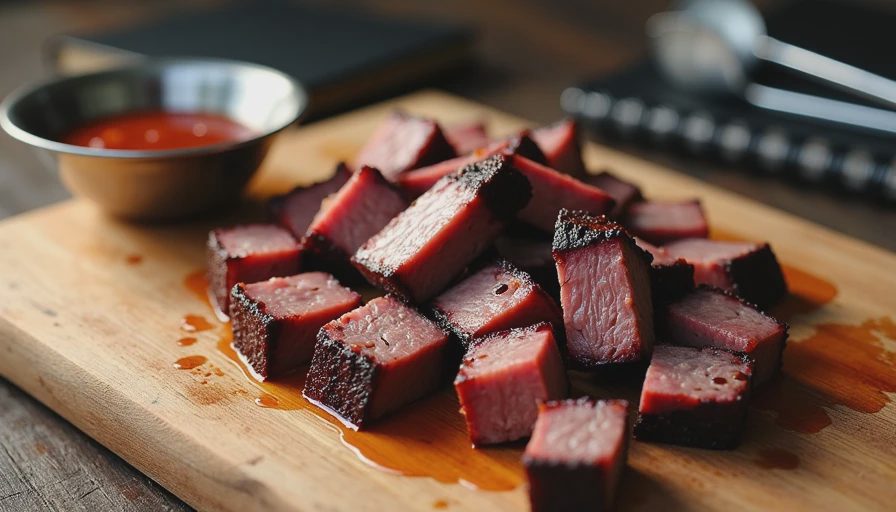
I run the whole packer until the flat probes like butter—usually somewhere in the 195–203°F range depending on the day and the cow. Then I pull the brisket, rest it briefly, and separate the point. Cube it. Toss with a sauce that has some tomato body, a little vinegar bite, and just enough sweetness to caramelize without turning into candy. Back on the smoker at around 275–300°F until the edges get dark and sticky. Sometimes I add a light sprinkle of the same rub I used earlier so the cubes get one more layer of bark.
No special equipment required. I’ve done this on the offset, the pellet grill, and even a kettle with a little care. The smoker you already own is fine.
The notebook entry usually ends with something like: “Point cubed and finished. Kids stole half the tray before I could photograph it. Mission accomplished.”
What Burnt Ends Taught Me About the Rest of the Cook
The best lesson burnt ends ever gave me had nothing to do with meat.
It was about letting go of the idea that every part of the cook has to be perfect from the start. The point often finishes differently from the flat. That’s not a failure. That’s an invitation. You get a second chance to make something great out of what could have been merely good.
I’ve carried that idea into other cooks. Tough ribs? Sometimes they just need more time and a little patience instead of panic. A pork butt that stalls forever? It’s not fighting you—it’s doing its job. A day when the weather turns and the temps won’t stay steady? You adapt, you watch the meat instead of the clock, and you still feed people.
Burnt ends are the edible version of that mindset. They reward the cook who stays in the game instead of declaring the whole thing ruined.
A Small Plea from One Kansas City Pit Guy
If you’re new to this, start with a whole packer when you can. Learn the difference between the flat and the point with your own hands. Cube those ends and give them the second cook they deserve. Taste what happens when you stop treating the point like an afterthought.
If you’ve been smoking for years and somehow still think burnt ends are just “burnt meat,” come visit. I’ll put a tray in front of you and watch the conversion happen in real time. It never gets old.
And if you’re somewhere that calls itself Kansas City style but serves cubes that never saw a real brisket point… well. We can still be friends. Just know the original still lives here, in backyards and old joints and the notebooks of people who keep showing up to the smoker even after the failures.
Kansas City didn’t need to invent barbecue. We just needed to make the leftovers better than the main event. That feels like the most honest gift a barbecue town can give.
Low and slow, and don’t overthink it.
Especially when the ends are on the tray.

No letters yet — be the first to write.