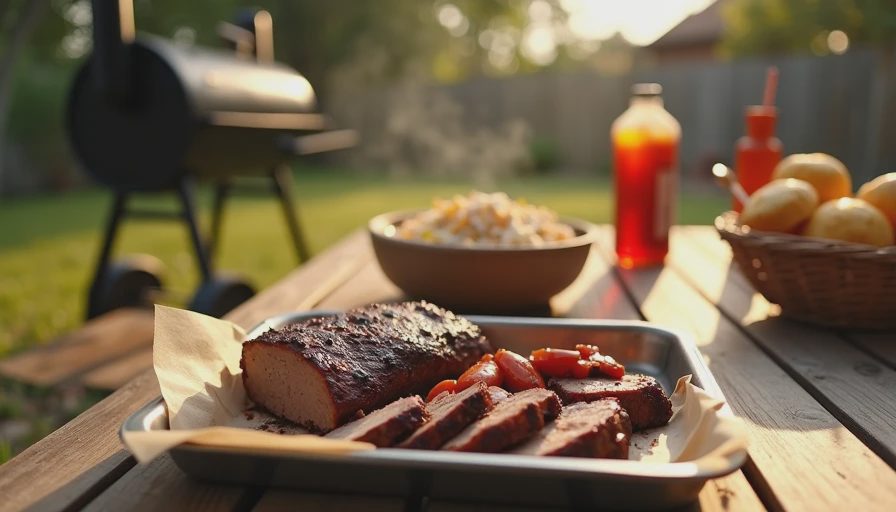
Low and slow, and don’t overthink it.
I used to overthink it anyway.
For a stretch of years after I started competing, every Saturday in my own backyard felt like a dress rehearsal for the next KCBS weekend. I logged every temp. I timed every wrap. I worried about bark consistency and whether the slice would pass the pull test in front of imaginary judges. The meat was usually good. The host—me—was exhausted and only half-present.
Then one ordinary Sunday Kate looked at me over a plate of perfectly cooked ribs and said, “You know this isn’t a contest, right? The kids just want to eat with you.”
That sentence did more for my barbecue than any new thermometer or wood combination ever has.
The Day the Scorecard Stopped Mattering
It wasn’t a dramatic failure that woke me up. It was a quiet success that still felt empty.
I had smoked a brisket that would have scored well. Clean smoke, good bark, juicy flat, sticky burnt ends. Colt was nine and more interested in the cornbread. Sadie was six and mostly cared that the sauce didn’t get on her shirt. Kate was happy the food was ready before dark for once. And I was still mentally scoring the cook like I was standing in a parking lot waiting for the turn-in box.
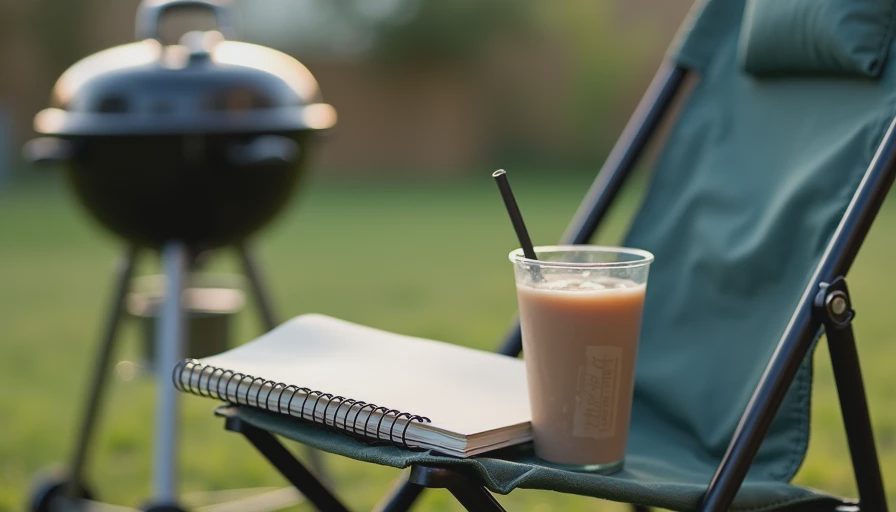
That night I wrote in the notebook: “Meat 9. Atmosphere 4. Host presence 3. Fix the last two.”
The fix wasn’t technical. It was remembering why I started cooking for people in the first place.
Restaurant Habits Die Hard
Twelve years in kitchens train you to chase consistency and speed under pressure. You learn to treat every plate like it might be judged by a mystery diner or a district manager. That mindset is useful when you’re feeding strangers who paid for the experience. It is less useful when the “customers” are your own family and the neighbors who brought beer and a folding chair.
I had brought the restaurant brain home. Every backyard cook became a service period. Every guest became a potential complaint. The smoker became a line station instead of the place where people gather.
Kate and the kids never asked for competition-level precision. They asked for me to sit down before the ice melted in the drinks.
What a Party Actually Requires
A backyard barbecue that feels like a party has three non-negotiable ingredients, and none of them are perfect bark.
Food that is ready at a human hour
A host who can talk about something other than probe temperatures
Permission for the day to be a little imperfect
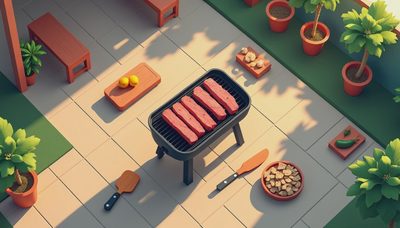
I still cook good meat. I still care about clean smoke and proper rest. But I no longer treat the backyard like a turn-in window. If the brisket needs another thirty minutes, we open the sides and let people graze. If the ribs are ready early, we eat them early. The schedule serves the people, not the other way around.
Burnt ends still come out sticky and dramatic because they make people happy. They are not a scored category. They are the tray that empties first while somebody tells a story.
The Small Changes That Made the Biggest Difference
I stopped announcing the internal temperature to the group.
I started putting a chair near the smoker so I could sit while I waited.
I let Colt help season the pork butt (his salt distribution is chaotic and perfect).
I let Sadie carry the sauce bottles to the table (some of it reaches the destination).
I asked Kate what she actually wanted to eat instead of assuming the grandest cut was the automatic answer.
None of those changes required new gear. All of them required me to remember that the people in my yard were not judges.
Competition Still Has Its Place
I still enter a few KCBS contests every year. The focus and the feedback are useful. The notebook still gets the competition entries with the same honesty I give the backyard failures. But the backyard is no longer the practice field for those weekends. It is its own thing.
When the driveway fills up now, the goal is simple: people leave full, the host is still upright, and somebody already asks when we’re doing it again. That is a better score than any chicken or brisket box I have ever turned in.
The Real Lesson on a Plate
The best cook I ever did for a crowd was not the highest-scoring meat. It was the one where I finally sat down while the food was still hot, listened to a neighbor’s fishing story, and watched Colt try to explain to Sadie why the burnt ends were “the special pieces.”
The meat was good. The afternoon was better.
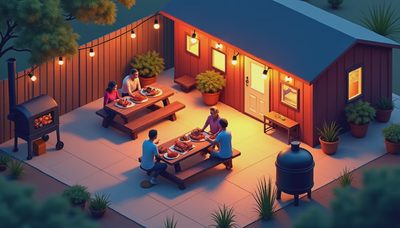
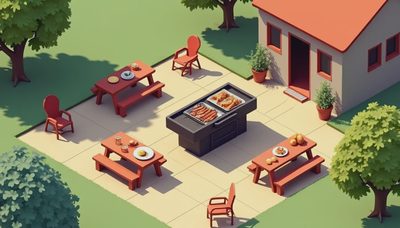
That is the whole point of a backyard barbecue. It is a party. The smoker is just the reason everyone showed up.
Low and slow, and don’t overthink it.
Especially when the only judges who matter are already in your yard, sticky-fingered and smiling.
No letters yet — be the first to write.