A good bbq grill can turn an ordinary Saturday into ribs, chicken, or pulled pork that makes everybody wander into the backyard asking when dinner is ready. You do not need a $3,000 smoker or a garage full of gadgets. You need steady heat, decent fuel, and a plan you can repeat. I learned that after burning enough brisket to fill a compost bin. Low and slow, and don't overthink it.
Choosing a bbq grill for your backyard
Start with the space you have, the food you want to cook, and how much attention you can give the fire. A two-burner gas grill is convenient for burgers and weeknight chicken, but it is not built for the deep smoke flavor of an offset smoker. A kettle charcoal cooker, such as a Weber Original Kettle, is inexpensive, versatile, and capable of excellent ribs when you learn two-zone cooking. A pellet cooker from Traeger, Pit Boss, or Camp Chef offers simple temperature control and is friendly to beginners who do not want to manage a live fire every ten minutes.
An offset smoker gives you the most direct connection to barbecue. You add wood to a separate firebox, watch the stack, and adjust airflow to keep the cooking chamber stable. That control is rewarding, but it also demands time. For many families, a pellet cooker or charcoal kettle is the smarter first purchase. Spending $250 on equipment you use twice a month beats spending $1,200 on a machine that becomes patio furniture.
Look for cooking space, sturdy grates, a reliable lid seal, and easy ash removal. Extra shelves are useful, but shiny side burners and built-in bottle openers should not decide the purchase. Put your money toward a cooker that holds temperature and has replacement parts available.
Charcoal, gas, pellets, or wood
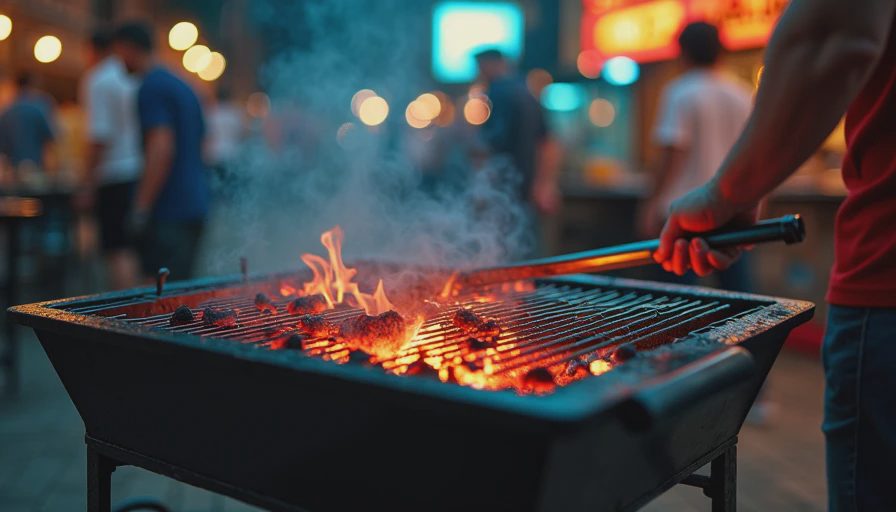
Fuel changes the way you cook, but none of these choices is a shortcut to good barbecue. Charcoal burns hot and adds a clean, familiar smoke flavor. Briquettes are consistent and affordable; lump charcoal lights quickly and often burns hotter, though piece sizes vary. For long cooks, I usually choose briquettes because predictable heat matters more than bragging rights.
Gas is the easiest option for a busy Tuesday. It heats quickly, cleans up easily, and gives you excellent control for sausages, burgers, and chicken thighs. To add smoke, place soaked or dry wood chunks in a smoker box or foil pouch over a burner. Do not use handfuls of wood chips directly on a hot grate; they can flare up before producing useful smoke.
Pellets are compressed hardwood and work well in a pellet cooker designed for them. Keep the bag dry, clear ash regularly, and do not assume a higher temperature automatically means better food. Smoke flavor should support the meat, not taste like a campfire trapped under a lid.
Building a reliable fire
The biggest bbq grill mistake I see is chasing the temperature every three minutes. Open the lid, poke the coals, adjust every vent, and the cooker swings wildly. Make one small adjustment, wait ten minutes, and watch what happens. Fire needs time to respond.
For charcoal, arrange a two-zone fire with coals banked on one side and an empty area on the other. Put the meat over the indirect side, with the thicker end facing the fire. For an offset smoker, build a small, clean fire rather than a giant smoky one. Thin blue smoke is a useful goal; heavy white smoke often means incomplete combustion and bitter flavor.
Use a reliable probe thermometer at grate level. The built-in lid thermometer may sit several inches above the food and can read differently from the actual cooking zone. I like to keep my pit between 225 and 275 degrees for traditional low-and-slow cooks, but steady heat matters more than landing on one magic number.
Preparing meat before it hits the heat
Seasoning does not need to be complicated. Kosher salt, coarse black pepper, and a little paprika will carry a rack of ribs a long way. A sweet Kansas City-style rub works especially well on pork, but watch sugar at temperatures above about 300 degrees because it can darken or burn.
Trim thick pockets of hard fat from brisket, leaving roughly a quarter inch to protect the meat. Remove loose flaps from ribs so they do not burn. Pat chicken skin dry before cooking; moisture is the enemy of crisp skin. If you have time, season meat several hours ahead and refrigerate it uncovered. That gives the salt a chance to move beyond the surface.
Do not obsess over whether meat goes on cold or at room temperature. A short rest on the counter while the cooker comes to temperature is fine. Food safety still comes first, so avoid leaving raw meat out for long periods, and use separate boards for raw and cooked food.
Managing a long cook
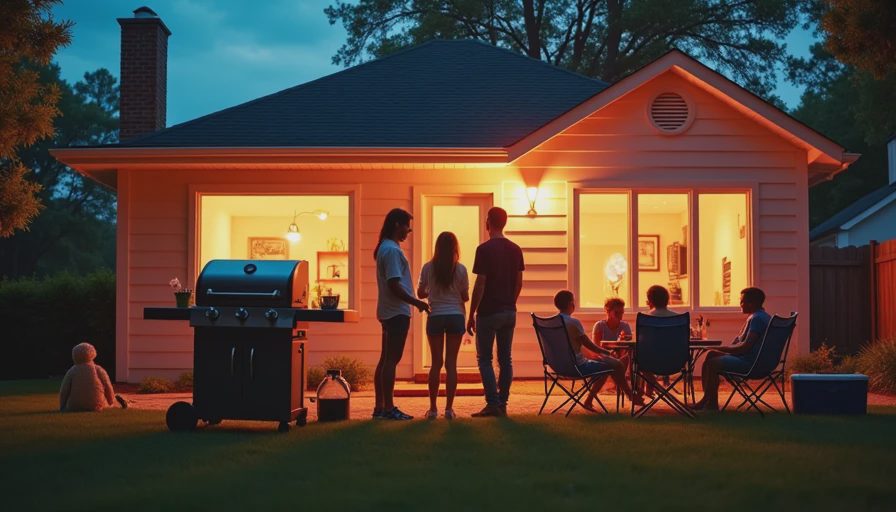
A bbq grill rewards patience, but patience does not mean ignoring the cooker. Check fuel before bed, keep extra charcoal or pellets nearby, and protect the cooker from strong wind. Wind can pull heat through an offset smoker and make a pellet cooker work harder than expected.
For ribs, cook until the meat bends easily and a probe slides between the bones with little resistance. For pulled pork, tenderness matters more than a particular clock reading. Brisket is ready when the flat feels soft when probed in several places, often after a long cook and a proper rest. Wrapping in butcher paper or foil can speed the cook and protect the bark, but it also changes the texture. Try it both ways and write down what happened.
Resting is not optional. Give pork at least 30 minutes, and let a large brisket rest for one to four hours in a dry cooler or warm oven. Keep the meat safely hot while it rests. Slicing too soon sends valuable juices onto the cutting board instead of back into the meat.
Cleaning and improving your results
A clean bbq grill cooks more predictably. Brush loose debris from the grates after cooking while they are still warm, then scrape out ash before the next fire. Empty grease trays before they overflow. Grease buildup is not seasoning; it is a flare-up waiting for the right afternoon.
Keep a simple notebook like I do. Record the date, cut of meat, weight, fuel, weather, pit temperature, wrapping time, and result. If the ribs were tough, note whether they needed more cooking rather than assuming the heat was wrong. If chicken skin turned rubbery, dry the surface better and cook it hotter next time.
The best bbq grill is the one you understand well enough to use without panic. Borrow a friend’s thermometer, cook a pork shoulder on a basic kettle, or start with chicken thighs before buying another accessory. A dependable process beats expensive equipment every time. Light the fire, keep the heat steady, and give the food enough time to become tender. Low and slow, and don't overthink it.

No letters yet — be the first to write.