A good bbq pit does not need to cost $3,000, take up half the patio, or come with a graduate degree in fire management. If you can hold a steady temperature, manage clean smoke, and give the meat enough time, you can make barbecue your family talks about all week. I have cooked on restaurant equipment, a beat-up offset, a pellet grill, and a kettle charcoal grill. The lesson has stayed the same: low and slow, and do not overthink it.
The first goal is not a perfect competition brisket. It is learning what your cooker does. Every pit has hot spots, cool spots, and a personality. Spend one afternoon running it empty with a reliable probe thermometer. Note how long it takes to reach 250 degrees, where the temperature settles, and how quickly it falls when you add fuel. That notebook work saves more meat than another gadget ever will.
Choosing the right cooker for your backyard
An offset smoker burns wood in a firebox beside the cooking chamber. It offers strong smoke flavor and plenty of space, but it requires regular fire management. A basic model from Oklahoma Joe's can produce excellent food when its thin metal is protected from wild temperature swings. You will probably add a split of wood every 30 to 60 minutes, depending on weather and the cooker’s design.
A pellet grill such as a Traeger or Pit Boss uses an auger and digital controller to feed compressed wood pellets. It is convenient, especially for overnight cooks, and temperature changes are usually gradual. The smoke flavor can be lighter than an offset, but ribs, pork shoulder, chicken, and even brisket can turn out beautifully. You are buying consistency rather than bragging rights.
A Weber Smokey Mountain or a large kettle is an excellent middle ground. Charcoal provides dependable heat, while a few wood chunks add smoke. These cookers use less fuel than many offsets and fit smaller patios. A ceramic grill such as a Big Green Egg holds heat extremely well, though its price and weight are not for everyone. The best bbq pit is the one you will actually use on a Saturday morning.
Fire control matters more than fancy equipment
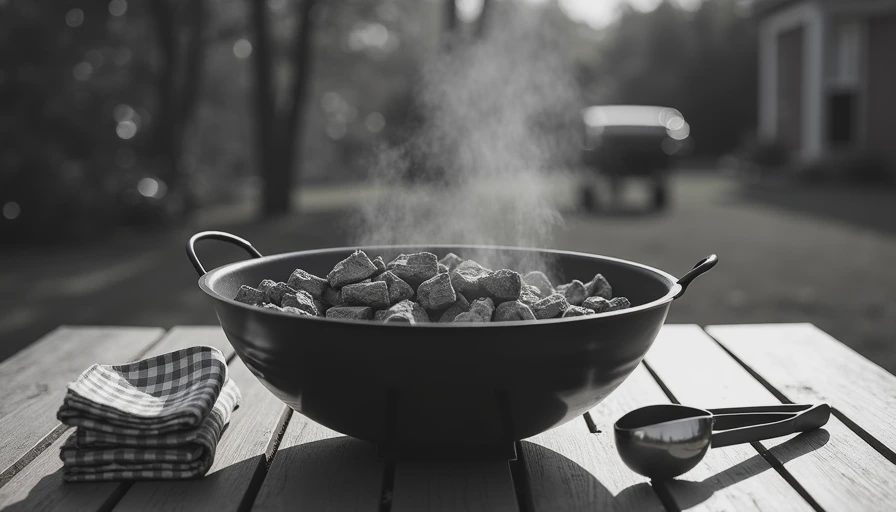
Whether your bbq pit burns charcoal, splits, or pellets, clean heat is the target. Thick, bitter white smoke usually means the fire is starved for oxygen or the wood is too wet. Thin blue smoke is a better sign, but you do not need to stare at the exhaust looking for a particular color. If the smoke smells harsh, fix the fire before adding meat.
Start with a modest fire. New cooks often build too much heat, then spend the next two hours choking the vents and fighting dirty smoke. On an offset, open the firebox intake enough to let the fire breathe and adjust the exhaust stack only slightly. On a charcoal cooker, make small vent changes and wait 10 to 15 minutes before changing anything again. A temperature swing from 225 to 275 degrees is not a disaster. Constant tinkering is usually worse.
Use a digital thermometer with one probe at grate level and another in the meat. The built-in lid gauge can read far away from the food, sometimes by 30 degrees or more. I once spent half a brisket cook chasing a lid thermometer that was sitting over a cooler part of my old pit. The brisket was fine; my nerves were not.
Match the meat to the cook
For a first long cook, pork shoulder is forgiving and affordable. Trim away loose flaps, season it generously, and cook at roughly 250 degrees until the meat is tender. That often happens somewhere around 195 to 205 degrees internal temperature, but temperature is only a guide. A probe should slide into the thickest section with little resistance, like pushing into softened butter.
Baby back ribs typically need four to five hours, while spare ribs can take five to six hours at the same general cooking temperature. Avoid treating the clock as law. When the meat has pulled back slightly from the bones and bends without breaking apart, start checking it. Sauce belongs near the end so the sugar does not burn while the ribs finish.
Brisket asks for more patience and better planning. Choose a brisket with flexible fat and a reasonably thick flat. Trim hard, waxy fat while leaving enough softer fat to protect the meat. Season with kosher salt and coarse black pepper, then place the thicker point toward the hotter side of your cooker. When the bark looks developed and the internal temperature is often around 160 to 175 degrees, wrap it if the surface is getting too dark or the cook is slowing dramatically.
A simple cook-day schedule
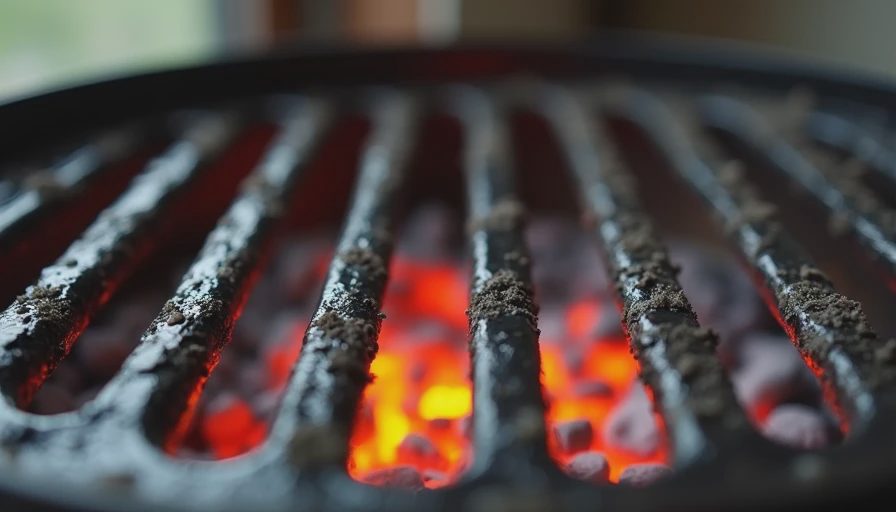
The night before, season the meat, check your fuel, clean the grates, and fill a cooler with ice if you need to keep food cold. On cook day, light the bbq pit at least 45 minutes before the meat goes on. This gives the fire time to settle and the cooking chamber time to stop producing harsh startup smoke.
Put the meat on cold or slightly chilled, with the thicker end aimed toward the hotter zone. Write down the starting time, meat weight, grate temperature, and weather. Wind and cold can change fuel use more than beginners expect. Resist opening the lid every 20 minutes. Each peek releases heat and extends the cook, while the meat gains almost nothing from your inspection.
When the bark has the color you want, wrap in butcher paper or foil if the recipe calls for it. Paper preserves a drier bark; foil speeds the cook and holds in more moisture. Once the meat is tender, rest it. A pork shoulder needs at least 30 minutes, and a brisket often benefits from one to three hours in an insulated cooler or warm oven. Resting lets juices settle and makes slicing easier.
Fixing the most common barbecue mistakes
If the meat tastes bitter, look at the fire first. Unburned wood, restricted airflow, or too much wood at once is more likely than a seasoning problem. If the outside is dry but the center is tough, the cook probably needed more time rather than more sauce. Tough collagen softens gradually; cranking the heat at the end rarely repairs it.
If the bark is pale, give the cooker more time and avoid wrapping too early. If the bark is nearly black but the meat is not tender, wrap it and finish gently. Dark bark is not automatically burned, especially when it contains pepper and rendered fat. Taste a small edge before making a judgment.
A bbq pit that runs hot on one side is not defective by default. Rotate smaller cuts, place poultry farther from the fire, or use a water pan as a heat buffer. Keep notes after every cook: fuel, weather, grate temperature, wrap time, and the final result. My spiral notebook has plenty of failures in it, including one brisket that became expensive chili, but those notes made the next brisket better.
Build confidence before buying more gear
Before upgrading your bbq pit, cook five solid meals on the equipment you own. Learn whether your family prefers peppery brisket, sweet ribs, smoky chicken, or pulled pork piled onto white bread. Spend money first on a dependable thermometer, heat-resistant gloves, a chimney starter, and quality fuel. Those tools improve almost any cooker.
When you are ready to compare models, consider cooking space, fuel availability, cleanup, weather exposure, and the amount of attention you can give the fire. A $400 pellet grill can be a smarter purchase than a $1,200 offset if weekday schedules make fire tending impossible. A $70 kettle can be the right answer for an apartment patio or a new cook testing the waters.
Barbecue gets easier when you stop chasing somebody else’s setup. Learn your cooker, make small adjustments, and give the meat time. Invite a few people over, keep the sides simple, and write down what happened. That is how backyard cooks become confident pitmasters: one calm fire, one honest note, and one good meal at a time.



No letters yet — be the first to write.