If you've wondered what is brisket while staring at a giant vacuum-packed piece of beef at the store, you're in good company. Brisket looks intimidating, costs enough to make you pause, and takes a long time to cook. But it is not magic. It is a hardworking cut that rewards steady heat, patience, and a little common sense. I have cooked plenty of briskets for restaurant crowds, competitions, and my own hungry family in Kansas City. The same rules work whether you have a $3,000 offset or a basic kettle grill.
What is brisket, exactly?
The short answer to what is brisket is this: it is a cut of beef from the lower chest of a steer. Cattle use those chest muscles constantly to stand and move, so the meat contains a lot of connective tissue. That tissue is why raw brisket can feel firm and chewy, but it is also what eventually turns silky and rich when cooked correctly.
A whole brisket, often called a packer brisket, has two connected muscles. The larger, leaner section is the flat. It has a fairly even shape and is the part most commonly sliced for sandwiches and barbecue plates. The thicker, more marbled section is the point. The point has more internal fat and usually produces softer, juicier slices, along with the irregular pieces people often turn into burnt ends.
Knowing what is brisket also means understanding that it is not one uniform slab. The grain changes direction between the flat and point, and that matters when you slice it. The fat seam between the muscles is called the deckle area. Some exterior fat should be trimmed, but removing every white patch is a mistake. Fat and connective tissue are the reason a long cook can transform this cut.
Why brisket takes so long to cook
Brisket is usually cooked low and slow because gentle heat gives collagen time to break down. Many backyard cooks run a smoker between 225 and 275 degrees Fahrenheit. I tend to cook closer to 250 or 265 degrees when I want dinner on the table without starting at midnight. The exact number matters less than holding a steady pit temperature and watching the meat.
At first, the brisket's internal temperature climbs normally. Then it can stall, often somewhere around 150 to 170 degrees, as moisture evaporates from the surface. The stall is not a failure, and it is not a signal to crank your smoker to 400. You can wait it out or wrap the brisket in butcher paper or foil to speed things along. Paper preserves more bark; foil traps more moisture and moves faster.
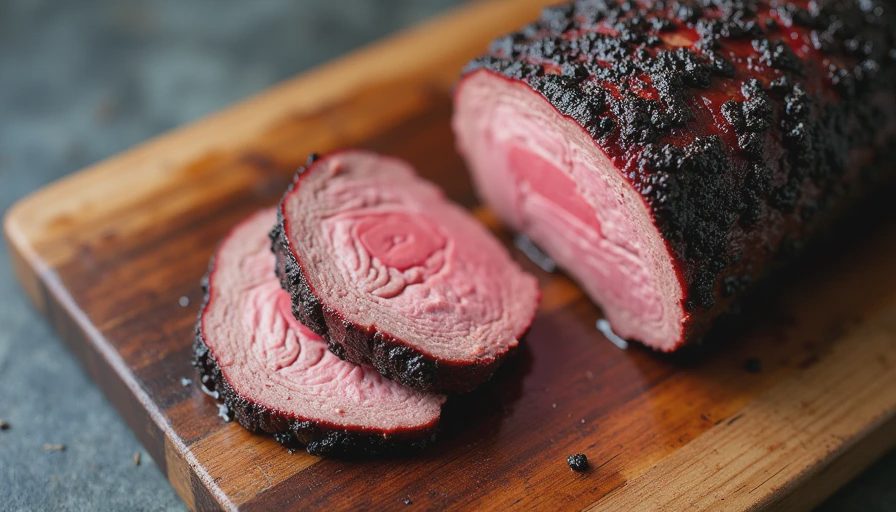
The more useful answer to what is brisket is found in the finished texture. Temperature is a guide, not the final judge. Many briskets become tender somewhere in the 195 to 205 degree range, but one piece may be ready at 198 while another needs 207. Slide a probe into the flat. When it feels like pushing into softened butter, start thinking about pulling it from the smoker.
Choosing a brisket at the grocery store
When shopping, look for a whole brisket with flexible meat and a reasonably thick flat. If one end is dramatically thin, it can dry out before the thicker point becomes tender. A fat cap around one-quarter inch thick is a useful starting point because you can trim the excess at home. Too much fat does not automatically make a brisket juicy; it can simply leave you with a greasy, uneven cook.
Grades help, but they do not replace technique. Choice brisket can make excellent barbecue and is often the practical pick for a family meal. Prime usually has more marbling and gives you a wider margin for error, though it costs more. At many stores, the difference can be several dollars per pound. For a twelve-pound brisket, that price gap adds up quickly, so buy the best piece that fits your budget rather than assuming the expensive label guarantees perfection.
If the package only contains a flat, that is fine for a smaller cook. A five- to seven-pound flat is easier to manage and can feed a family, but it has less fat protection than a whole packer. This is where knowing what is brisket helps you set realistic expectations: a flat can be delicious, but it needs careful temperature control and a proper rest.
A simple backyard method
Start by trimming the thick, hard fat from the top and underside, leaving a thin protective layer. Remove loose flaps that will burn, then season generously with kosher salt and coarse black pepper. Garlic powder is welcome, and a barbecue rub with paprika or chili powder works too. Do not bury good beef under a sugar-heavy coating if you plan to run a hot fire.
Place the brisket on the smoker with the thicker point toward the hotter area. Add clean smoke from oak, hickory, or pecan. You want the smoke to smell like a campfire, not an ashtray. Spritzing is optional; opening the lid every twenty minutes is not. Each peek costs heat and extends the cook.
After several hours, check the bark and internal temperature. Wrap when the color looks deep brown and the bark feels set. Continue cooking until the flat probes tender, then rest the wrapped brisket in a cooler or turned-off oven for at least one hour. A two-hour rest is even better when your schedule allows it.
What is brisket without the final slice? Let it rest, separate the point from the flat if needed, and cut the flat across the grain into pencil-thick slices. If the slices crumble, it may be overcooked. If they bend without breaking and still look moist, you are in good shape.
Common mistakes that ruin a good cut
The biggest mistake is cooking by the clock instead of by tenderness. A ten-pound brisket is not guaranteed to finish in ten hours, and weather, fat content, smoker design, and pit temperature all change the timeline. Start earlier than you think you need to, because a rested brisket is easier to hold than a hungry crowd is to delay.
Another common error is slicing immediately. Brisket carries a lot of hot liquid, and cutting too soon lets that moisture run onto the cutting board instead of staying in the meat. I learned this one during a backyard cook when I rushed a brisket for guests. It tasted good, but the board looked like it had been rained on. Give the meat time to settle.
People also trim away too much fat or leave a giant fat cap untouched. Aim for an even shape, not a bare piece of meat. Finally, do not chase smoke all day. Once the bark has developed, extra smoke can turn bitter. Clean fire, steady heat, and a patient rest beat dramatic clouds every time.
Serving brisket without overcomplicating it
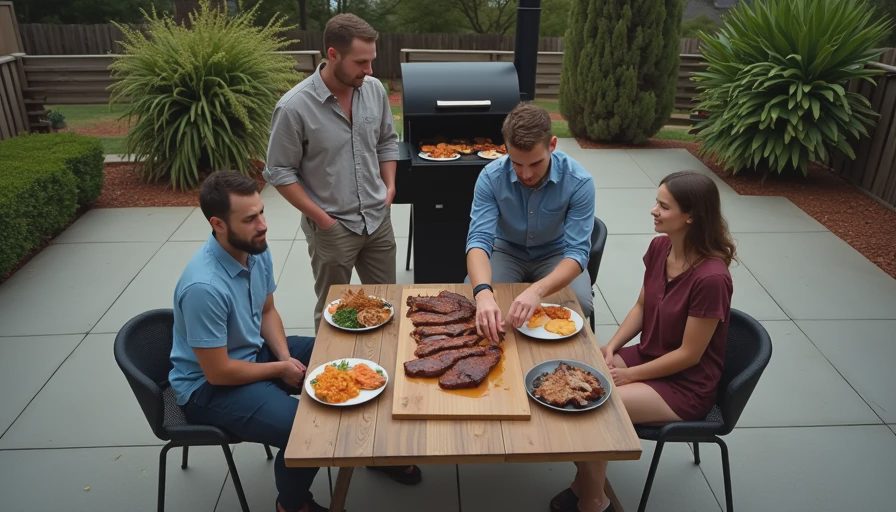
The classic plate is sliced brisket with barbecue sauce on the side, but sauce is not required. In Kansas City, I like a balanced tomato-based sauce with enough tang to cut through the beef. Pickles, white bread, baked beans, slaw, and potato salad all make sense because they bring acidity, crunch, or sweetness to a rich main dish.
For leftovers, chop the point for sandwiches, tacos, or breakfast hash. Store cooled meat in a sealed container with a spoonful of its juices. Reheat gently in a covered pan or wrapped in foil so the slices do not dry out. If you bought a whole brisket, a single cook can cover dinner, lunch, and a freezer meal.
So, what is brisket? It is a tough chest muscle that becomes tender barbecue when you give collagen enough time to soften. You do not need a competition rig, a dozen injections, or a secret handshake. Trim it evenly, season it simply, cook it steadily, rest it properly, and slice across the grain. Low and slow, and don't overthink it.


No letters yet — be the first to write.