This pulled pork recipe is built for regular backyard cooks, not people with a $3,000 smoker and a free weekend every time they want barbecue. You need a pork shoulder, a reliable heat source, a few pantry spices, and enough patience to let the meat do its thing. Low and slow, and don't overthink it.
I have cooked pork shoulder in restaurant kitchens, on a beat-up offset smoker, on a pellet grill, and in the oven when the weather turned ugly. The best results always came from the same habits: season generously, hold the cooker steady, and cook until the shoulder is tender rather than chasing a magic number on the thermometer. This pulled pork recipe gives you that framework.
What You Need Before You Start
Buy a bone-in pork butt, also called a Boston butt. Despite the name, it comes from the upper shoulder, not the rear of the animal. A 7- to 9-pound roast usually feeds eight to twelve people, depending on whether you are serving sandwiches, beans, slaw, and other sides. Plan on losing roughly one-third of the raw weight to fat, bone, and moisture.
For the rub, mix one-quarter cup brown sugar, two tablespoons kosher salt, two tablespoons paprika, one tablespoon coarse black pepper, two teaspoons garlic powder, two teaspoons onion powder, and one teaspoon chili powder. This gives you a Kansas City-style balance of sweet, salty, smoky, and peppery flavor without turning the crust into candy. If you like more heat, add cayenne or chipotle powder.
Trim away any thick, hard chunks of surface fat, but leave a thin layer behind. That fat can protect the meat during the long cook. Pat the shoulder dry, coat it lightly with yellow mustard if you like, and press the rub over every surface. The mustard flavor will not dominate; it simply helps the seasoning stick.
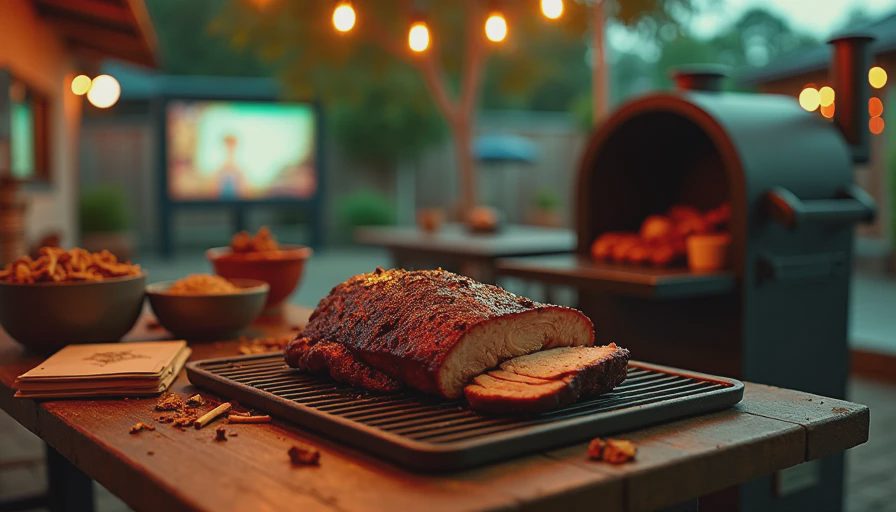
How to Smoke This Pulled Pork Recipe
Heat your smoker to 250 degrees Fahrenheit. Hickory, apple, cherry, or a blend of those woods all work well. I usually choose hickory for pork because it gives the meat a confident barbecue flavor, but use a lighter hand if your cooker produces heavy smoke. Clean, thin smoke is the goal. Thick white smoke can make the crust bitter.
Place the pork on the grate with the fat side facing the hotter part of your cooker. Insert a probe into the thickest section, avoiding the bone. Cook until the internal temperature reaches about 160 to 170 degrees. This often takes five to seven hours, but the clock is only a planning tool. The meat may stall as moisture evaporates from the surface, and that is normal.
When the bark is dark red-brown and the roast has reached the stall, wrap it tightly in unwaxed butcher paper or heavy-duty aluminum foil. Add a small splash of apple juice, beer, or pork stock if you want extra moisture, but do not pour in a cup of liquid. Too much turns the bark soft. Return the wrapped shoulder to the cooker and continue cooking.
Knowing When the Pork Is Done
The most important part of this pulled pork recipe is learning to test tenderness. Start checking around 195 degrees, but expect the roast to finish somewhere between 195 and 205 degrees. Slide a probe or thin knife into several spots. It should enter with little resistance, similar to pushing into softened butter. If the center still feels tight, keep cooking.
I once pulled a shoulder at 198 degrees because dinner guests were waiting and my notebook said it was probably ready. It was not. The outside shredded beautifully, while the middle fought every fork. I wrapped it again and cooked it another forty minutes. That fixed the texture, but the lesson was simple: temperature tells you when to start checking; tenderness tells you when to stop.
Rest the finished pork for at least 45 minutes, still wrapped, in an empty cooler or on a baking sheet covered with towels. A two-hour rest is even better for a large shoulder. Resting lets the juices settle and gives collagen time to finish relaxing. Do not skip this step just because the smell is making everyone impatient.
Oven and Grill Options
You can make this pulled pork recipe without a dedicated smoker. For the oven, roast the seasoned shoulder uncovered at 250 degrees until the bark forms and the internal temperature reaches about 165 degrees. Wrap it, then continue baking until probe-tender. Add a teaspoon of liquid smoke to the rub or wrap if you want a little smoke character, but use it carefully; a few drops can do more than you expect.
A charcoal grill can work as an indirect cooker. Bank the coals on one side, place a drip pan beneath the pork, and adjust the vents to hold about 250 degrees. Add a small wood chunk every hour or two rather than flooding the fire with chips. On a gas grill, keep the burners on one side and the pork on the unlit side. A smoker box can provide some smoke, although the grill's main job is maintaining steady heat.
Pulling, Saucing, and Serving
After the rest, unwrap the shoulder and save any juices from the foil. Remove the bone and large pockets of rendered fat, then pull the meat into strands with gloved hands or two forks. Mix in a little of the reserved juice as needed. The pork should taste good before sauce touches it. If it needs salt, add it now instead of drowning the whole batch in barbecue sauce.
For sandwiches, use soft hamburger buns, a thin layer of Kansas City-style sauce, and crunchy slaw. I also like serving the pork with pickles, baked beans, and sliced white bread. Keep extra sauce on the table so people can build their own plate. Leftovers will hold in the refrigerator for three to four days and reheat well in a covered skillet with a splash of stock.
A Simple Timing Plan
For an 8-pound shoulder, put the meat on around 8 p.m. if you want to serve dinner the next day. Smoke overnight at 250 degrees, check the bark in the morning, and wrap when the roast reaches the stall. It may finish between noon and 3 p.m., leaving time for a proper rest before dinner. If it finishes early, keep it wrapped in a dry cooler for several hours.
This pulled pork recipe is forgiving because pork shoulder has plenty of fat and connective tissue. Give yourself more time than you think you need, and never plan to serve it the minute it reaches a certain temperature. Cook until tender, rest it well, and season the finished meat before serving. That is the whole game: low and slow, and don't overthink it.




No letters yet — be the first to write.