Choosing hardwood for smoking is one of the easiest ways to improve barbecue without buying a new smoker. The right wood adds aroma, color, and flavor while the wrong piece can leave brisket bitter, chicken tasting like an ashtray, or ribs needing an emergency sauce bath. I have made all three mistakes, usually while trying to cook too much food before my family got hungry. The good news is that you do not need a dozen exotic species or a $3,000 offset. Start with clean, dry hardwood, use a small amount, and let the meat do the talking.
What hardwood for smoking actually does
Smoke is not seasoning in the same way salt or a rub is seasoning. It is a cooking ingredient that settles on the meat during the early part of a cook, when the surface is cool and slightly damp. That is why a clean fire matters. Hardwood for smoking should create a thin, almost bluish stream of smoke rather than a thick white cloud rolling out of the stack.
In practical terms, wood does three jobs. It helps produce heat in an offset smoker, creates smoke flavor in any smoker, and contributes to the dark bark many people want on brisket and pork shoulder. The base fuel can be charcoal, pellets, propane, or a live fire. You are not required to burn logs just because somebody on the internet has a large trailer smoker.
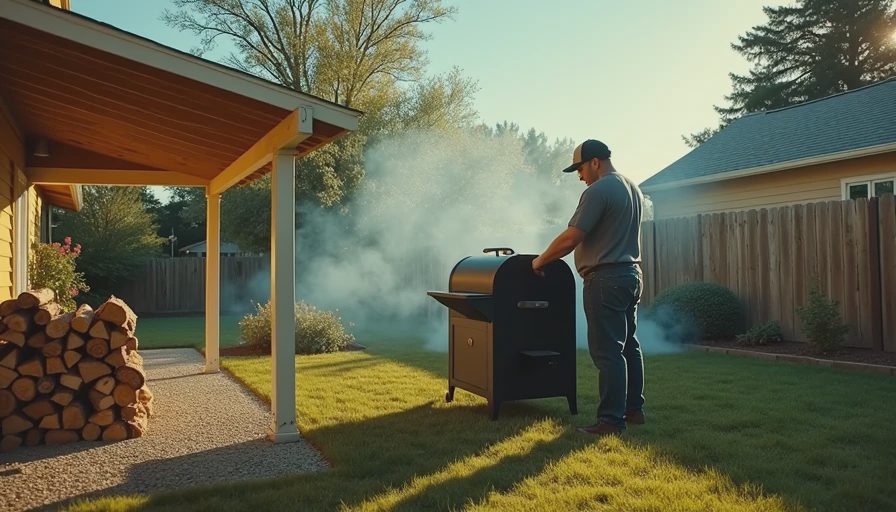
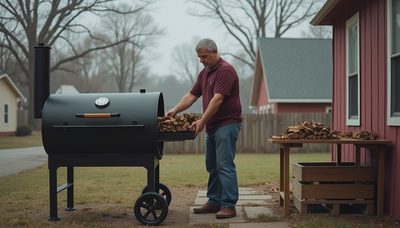
For most backyard cooks, chunks are easier than splits. A chunk about the size of a small fist can provide smoke for a reasonable stretch without sending the pit temperature on a wild ride. Splits work well in an offset, but they should be dry, manageable, and small enough to burn cleanly. Wood chunks in a Weber Smokey Mountain, Weber kettle, or drum smoker are usually simpler for a weeknight cook.
The best hardwood choices for common barbecue
Oak is my dependable starting point. It burns steadily, gives meat a medium-strength smoke flavor, and works with brisket, beef ribs, pork shoulder, sausage, and chicken. If you only buy one kind of hardwood for smoking, buy oak. It is forgiving enough for beginners and useful enough that experienced pitmasters keep it nearby.
Hickory is stronger and more assertive. It is excellent with pork ribs, pulled pork, ham, and hearty beef, but too much can taste sharp. I usually combine one hickory chunk with two oak chunks rather than filling the entire firebox with hickory.
Pecan sits between oak and fruit woods. Its smoke is rounded, mildly sweet, and friendly with pork, poultry, turkey, and even salmon. Maple offers gentle sweetness and good color, while cherry produces an attractive mahogany tone. Cherry is especially useful when you want ribs or chicken to look as good as they taste.
Apple is mild and lightly sweet, making it a natural match for chicken, turkey, pork loin, and ribs. It can be too subtle for a large brisket unless you combine it with oak. Mesquite burns hot and delivers a powerful flavor. I use it carefully, mostly for beef and shorter cooks. A little hardwood for smoking goes much further than a beginner expects.
Matching wood to meat without overthinking it
Think about the size and richness of the meat. Dense cuts with plenty of fat, such as brisket, beef ribs, and pork shoulder, can handle oak, hickory, or a cautious amount of mesquite. Leaner foods, including chicken breasts, turkey, pork loin, and fish, usually benefit from apple, cherry, pecan, or maple.
That is a guideline, not a law. I have cooked chicken with oak and brisket with cherry, and both turned out well. The bigger danger is over-smoking. Meat does not become better because smoke is visible for eight straight hours. In many cooks, the first two to four hours provide plenty of smoke flavor. After that, the bark has developed and the cooker is mainly providing heat.
For a simple family cook, try oak with brisket, pecan with pork ribs, apple with chicken, and cherry mixed with oak for turkey. Write down what you use in a notebook or phone. My spiral notebook has entries for weather, pit temperature, wood, and the mistakes I would prefer to forget. That record makes your next cook easier instead of relying on a confident stranger's favorite combination.
How to use hardwood for smoking in your cooker
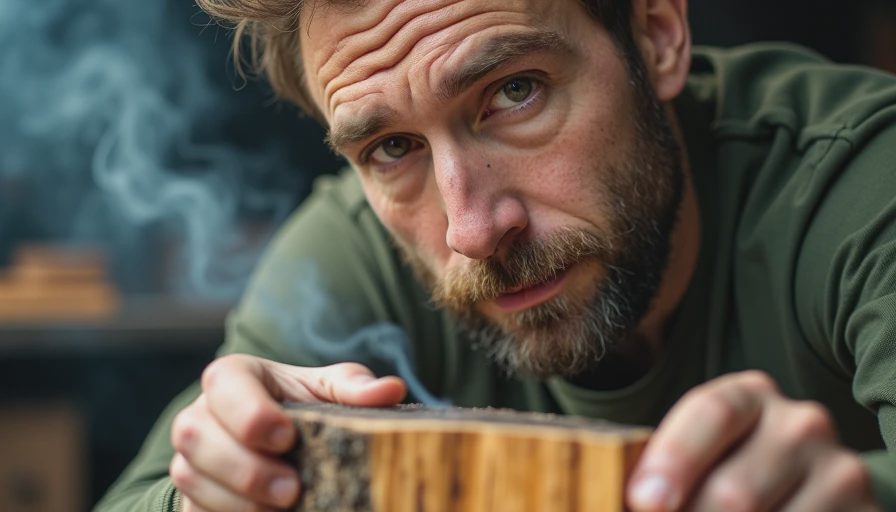
Start with dry wood that is free from paint, stain, glue, mold, and chemical treatment. Never use lumber scraps, pallet wood, construction offcuts, or branches from an unknown tree. Use food-safe smoking wood sold by a reputable supplier, hardware store, or barbecue retailer.
You generally do not need to soak chunks. Wet wood can delay clean combustion and create steam before it produces useful smoke. Place a dry chunk near, not directly on top of, the hottest coals in a charcoal cooker. In an offset, add a small dry split to an established coal bed and watch the exhaust. If smoke turns thick and white, open the fire up, reduce the wood, or improve airflow.
Keep the cooking temperature steady instead of chasing smoke color every minute. A kettle running around 250 to 275 degrees Fahrenheit can make excellent ribs or pork shoulder with just a couple of chunks. A pellet grill uses compressed hardwood pellets, so do not add random chunks unless the manufacturer specifically allows it. Pellet grills already meter fuel and smoke differently from stick burners.
Common wood mistakes that ruin good meat
The first mistake is using too much hardwood for smoking. A full basket of chunks may produce a harsh crust and bitter flavor, especially in a small cooker. The second is adding wood every time the smoke disappears. Smoke you cannot see can still be working, and clean heat is more important than a dramatic plume.
Another mistake is burning green or freshly cut wood. Green wood contains excess moisture and tends to smolder. Extremely dry, rotten wood is no better because it burns unpredictably and can add unpleasant flavors. Store smoking wood off the ground under cover, with enough airflow to keep it dry.
Avoid treating wood like a competition rulebook. If your family likes a lighter flavor, use less. If your brisket tastes clean but not smoky enough, add one chunk on the next cook rather than doubling the amount. Change one variable at a time so you know what actually helped.
A simple shopping plan for your next cook
Buy a small bag of oak chunks, then add one fruit wood such as apple or cherry. That combination covers most brisket, rib, chicken, turkey, and pork cooks for roughly the cost of a fast-food dinner. Look for pieces that are dry, solid, and free from visible mold or chemical residue. Chunks should smell like clean wood, not paint, perfume, or a damp basement.
Before lighting the smoker, decide how much smoke you want and set the wood aside. For a five-hour rib cook, two or three chunks may be enough. For a long brisket cook, start with a few pieces during the early hours and rely on steady heat afterward. This approach saves wood and keeps the bark from becoming harsh.
If you are unsure, begin with oak. Add hickory when you want more strength, pecan for a softer nutty note, or apple and cherry for mild sweetness and color. Hardwood for smoking should support the meat, not cover it up. Keep the fire clean, keep the process low and slow, and don't overthink it.

No letters yet — be the first to write.