Hickory wood is the old reliable of backyard barbecue. It brings a deep, savory smoke that works especially well with pork, ribs, sausage, chicken, and even a sturdy beef brisket. If you have a bag of chunks sitting beside your smoker and you are wondering how much to use, you are in the right place. The short answer is less than most beginners think. Low and slow, and do not overthink it.
Why hickory works so well in a smoker
Hickory has a stronger smoke profile than fruit woods such as apple or cherry, but it is not as sharp as mesquite. That middle ground is why it shows up in so many classic barbecue recipes. The smoke tastes bacon-like, nutty, and slightly sweet when the fire is clean. It gives pork shoulder a dark, savory edge and helps ribs develop the kind of smell that makes the neighbors start checking their phones for an invitation.
The strength is also the trap. Too much hickory wood can make the outside of meat taste bitter, especially on smaller cuts. A pair of chicken thighs does not need the same smoke load as a 10-pound pork butt. Think of smoke as seasoning. You can add more early, but you cannot pull an aggressive smoke flavor back out after it has settled into the meat.
I learned that lesson on an offset smoker during a windy March cook in Kansas City. I loaded the firebox with several splits, chased the temperature for an hour, and ended up with ribs that tasted like a campfire. They looked impressive, but Kate quietly made a sandwich instead. The next weekend, I used one modest split at a time and got a much cleaner result.
Choosing chunks, splits, or chips
The right size depends on your cooker. Wood chunks are convenient for a charcoal kettle, ceramic cooker, or bullet smoker. Two or three chunks placed near, but not directly on, the hottest coals can produce several hours of gentle smoke. Hickory wood chunks are also easy to portion, which makes them a good starting point for someone still learning their smoker.
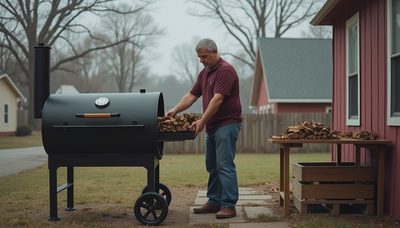
Splits are better for a traditional offset smoker. Use pieces roughly the size of a soda can, then add them one at a time as the fire needs fuel. A split that is too large can smolder and create dirty, white smoke. A split that is too small may burn up before it contributes much heat. In my beat-up offset, a dry split about 12 inches long and 3 inches across is usually enough for the first stage of a cook.
Chips are useful in a gas grill or compact smoker box, but they burn quickly. If you use hickory wood chips, skip the old habit of soaking them in water. Wet chips tend to steam before they smoke, and the extra moisture does not solve the real problem: poor airflow. Use a small handful, watch the smoke, and add another only when the first batch is finished.

Matching hickory wood with different meats
Pork is the easiest match. Hickory wood gives ribs, pork shoulder, and pork belly enough flavor to stand up to a sweet rub or tangy sauce. For ribs, I usually run smoke for the first two to three hours, then wrap or continue unwrapped depending on the bark. Pork shoulder can handle a longer exposure because the cut is large and rich, but a clean fire still matters more than piling on fuel.
Chicken needs a lighter hand. Smoke flavor builds quickly on poultry skin, and too much can turn the skin dark and harsh. One small chunk in a charcoal grill is often plenty for a batch of wings or a spatchcocked chicken. Keep the cooking temperature around 275 to 325 degrees Fahrenheit if you want the skin to render rather than stay rubbery. Hickory wood is delicious with chicken when the smoke stays thin and nearly invisible.
Beef is a flexible partner. Brisket can handle hickory wood for several hours, particularly when the seasoning is mostly salt and pepper. Steaks benefit from a shorter smoke session before a hot sear. For burgers, one small chunk can flavor an entire grill load, so resist the temptation to throw on another piece just because you cannot see a cloud of smoke.
How to burn clean smoke
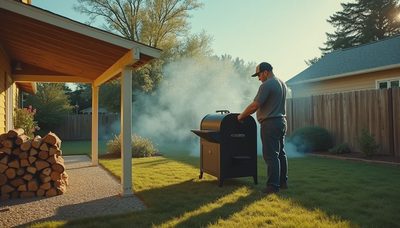
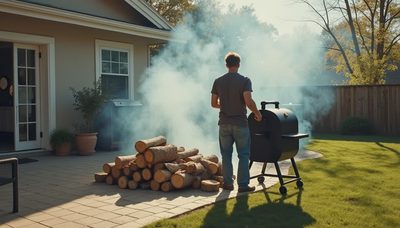
Good barbecue smoke should look thin, blue-gray, or almost invisible. Thick white smoke usually means the wood is smoldering instead of burning cleanly. That can happen when the wood is green, damp, placed on a fire that is too small, or added before the cooker has enough airflow.
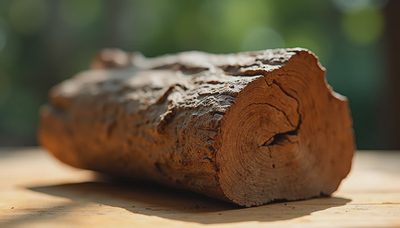
Start with properly seasoned wood that feels dry and has visible cracks on the ends. Store it off the ground and protected from rain, but do not seal it in a way that traps moisture. Build a stable coal bed first, bring the cooker close to its target temperature, and then add the wood. Hickory wood should ignite within a few minutes rather than sit and smoke like a wet log.
On an offset smoker, leave the exhaust stack fully open and control the fire with fuel and intake adjustments. Closing the exhaust to hold heat often traps stale smoke inside the cooking chamber. On a pellet grill, use a smoke setting only if it keeps the temperature reasonably stable; a clean, steady cook at 250 degrees beats a wildly fluctuating one every time.

A simple starting plan for your next cook
For a rack of pork ribs, light your charcoal and wait until the cooker settles near 250 to 275 degrees. Add one or two medium chunks, place the ribs on the grate, and let the smoke work for two hours. After that, check the bark and color rather than adding wood automatically. If the surface is already mahogany and smells smoky, continue cooking without additional fuel.
For a pork shoulder, begin with two or three chunks or two small splits. Keep adding only when the previous wood has burned down and the smoke flavor still seems light. Once the bark has formed, usually several hours into the cook, additional smoke has limited value. Wrap the shoulder if that fits your preferred texture, or leave it exposed for firmer bark.
For chicken, use half as much as your first instinct suggests. Cook it until the thickest part reaches a safe internal temperature, then rest it before serving. Hickory wood provides plenty of flavor during a short cook, so there is no prize for making the patio look like a fog machine.
Common mistakes that ruin a good smoke
The first mistake is using unseasoned wood. Fresh-cut hickory wood contains too much moisture and tends to burn poorly. The second is adding wood every time the smoke disappears. Invisible smoke can still be doing useful work; barbecue does not need to look dramatic to taste good.
Another mistake is using one flavor for every situation. Hickory wood is excellent, but mixing it with a little apple or cherry can soften the profile for poultry or pork ribs. Start with a two-to-one blend of mild fruit wood to hickory wood if your family prefers a lighter barbecue flavor.
Finally, do not judge the cook by smoke alone. Track pit temperature, meat temperature, bark color, tenderness, and resting time in a notebook. I write down the weather and fuel beside the result, even when the result is a brisket that should have been sliced thinner. That record teaches you more than buying another gadget.
Hickory wood is a dependable place to start because it is bold, available, and forgiving when used in sensible amounts. Begin with a small amount, burn it cleanly, and let the meat tell you when enough is enough. Your smoker does not need a complicated setup or a mountain of splits. It needs steady heat, dry fuel, and a little patience. Low and slow, and do not overthink it.
No letters yet — be the first to write.