Wood chunks for smoking are one of the simplest ways to make a backyard smoker taste like it belongs behind a barbecue joint. The right chunk adds clean, steady smoke without turning your brisket bitter or your chicken into an ashtray. You do not need a $3,000 pit, a competition trailer, or a degree in smoke science. You need decent fuel, a little patience, and a plan.
I learned that the hard way on an old offset smoker in my Kansas City backyard. I once tossed several fist-sized hickory chunks onto a weak fire, closed every vent, and walked away to help Colt with baseball practice. The meat came out dark, harsh, and tasting like a campfire jacket. The problem was not the hickory. It was too much wood and not enough clean airflow.
Low and slow, and do not overthink it. Here is how to use smoke wood with the equipment you already own.
What wood chunks actually do
Wood chunks smolder beside or above your heat source, releasing flavorful smoke as they slowly burn. Unlike chips, chunks last longer and are less likely to disappear before your meat has absorbed much flavor. A chunk roughly the size of a small orange can provide smoke for 30 to 60 minutes, depending on airflow, wood type, and the temperature of your fire.
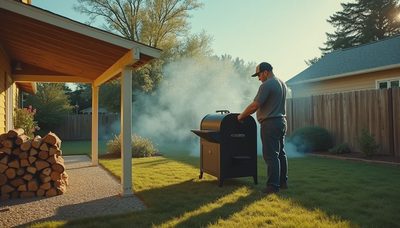
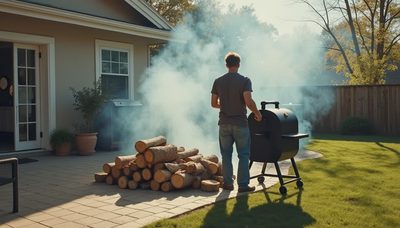
The goal is thin, clean smoke that looks almost blue or barely visible. Thick white smoke usually means the wood is smoldering poorly. That heavy smoke carries more creosote and can leave a bitter coating on the meat. If your smoke smells like a clean campfire, you are moving in the right direction. If it smells like wet leaves or a chimney that needs cleaning, fix the fire before adding more wood.
Wood chunks for smoking work best when the cooker already has a stable fire. Do not use wood to rescue a fire that is dying. Add a split or more charcoal first, let the temperature recover, then add a chunk.
Choosing the right wood for each meat
Oak is my dependable all-purpose choice. It gives brisket, chuck roast, sausage, and beef ribs a medium-strength smoke that tastes substantial without taking over. Post oak is a classic option when you want a clean profile, while red oak brings a slightly stronger edge.
Hickory is excellent with pork shoulder, ribs, bacon, and chicken, but it can become aggressive when piled on. Start with one or two chunks for a normal cook. Pecan is gentler and a little sweeter, making it useful for turkey, pork loin, ribs, and chicken thighs.
Fruit woods are usually mild. Apple adds soft sweetness and works well with poultry and pork. Cherry contributes a mild flavor and can deepen the color of ribs and chicken skin. Peach is another good choice for a delicate smoke profile. I often mix one fruit-wood chunk with oak rather than smoking an entire pork butt over apple alone.
Skip mystery hardwood, painted lumber, construction scraps, and wood that has been treated with chemicals. Never burn plywood, pallets, or anything with glue. For food, buy cooking wood from a reputable supplier and make sure it is dry, untreated, and free of mold.
How many chunks should you use?
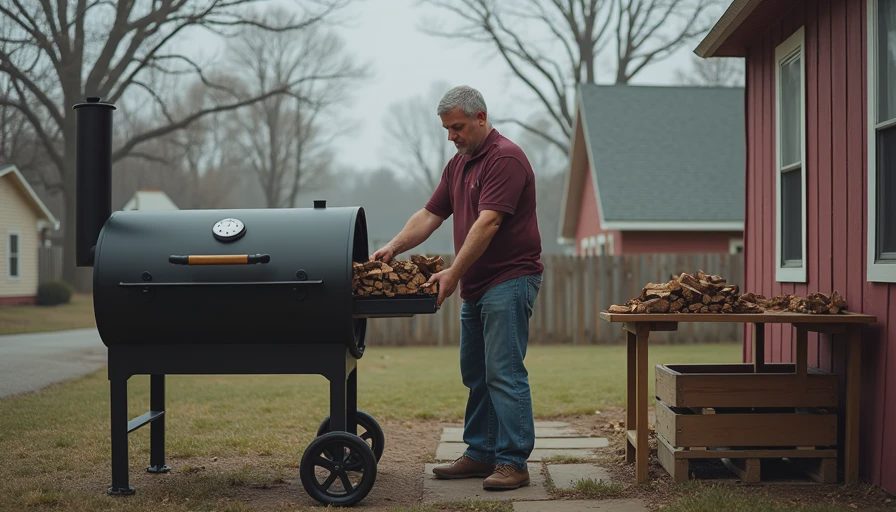
Start smaller than your instincts suggest. For a three-hour rib cook, two or three chunks are often enough. A pork shoulder or brisket might need four to six chunks during the first several hours, especially in an offset smoker where smoke passes continuously over the meat. After the bark has developed and the surface dries, adding more wood usually gives you more bitterness than flavor.
A charcoal kettle is especially efficient with wood chunks because the lid holds smoke close to the food. One chunk near the coals can be plenty for chicken wings or a couple of steaks. A pellet grill is different: it already burns compressed wood, so chunks generally do not belong in the hopper. Some pellet grills accept a manufacturer-approved smoke tube or box, but follow the equipment instructions rather than improvising with loose wood.
Soaking is not required. Wet chunks create steam first, delay combustion, and can produce dirty smoke. Dry chunks burn more predictably. If chunks catch fire too quickly in your cooker, reduce the airflow slightly or place them farther from the hottest coals. Do not soak them for hours as a default habit.
Using wood chunks in different smokers
In an offset smoker, place a chunk on the hot side of the coal bed or on a small grate above it. You want heat to reach the wood without immediately turning it into a flaming log. Keep the exhaust vent open so smoke can move through the cooking chamber. Closing the exhaust to trap smoke often creates stale, bitter air instead of better flavor.
In a kettle grill, bank charcoal to one side, place a drip pan opposite it, and set the meat over the cool zone. Put one chunk on the edge of the coal pile. For a ceramic cooker such as a Big Green Egg or Kamado Joe, bury one or two chunks at different depths among the lump charcoal. This spreads smoke over the cook instead of producing one intense burst.
For a gas grill, use a smoker box or a foil packet with holes, positioned over a burner. A handful of wood chunks inside a box is safer and more consistent than dropping loose wood directly onto the burner. Keep the food on the unlit side whenever possible.
Common mistakes that ruin good barbecue
The first mistake is matching smoke strength to cooking time instead of meat. A thick brisket can handle more smoke than delicate fish, but that does not mean the brisket needs constant heavy smoke for twelve hours. Most smoke flavor develops early, while the exterior is still cool and moist.
The second mistake is adding wood every time the cooker's temperature drops. Temperature and smoke are related, but they are not the same problem. Check your fuel, vents, and fire before reaching for another chunk. More wood will not repair a blocked exhaust or a bed of cold charcoal.
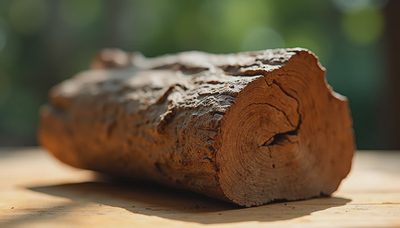
The third mistake is using green wood. Freshly cut wood contains too much moisture and can produce harsh, unpredictable smoke. Properly seasoned chunks should feel dry, show some end cracking, and smell like clean wood rather than sour vegetation.
I also recommend keeping a simple smoke notebook. Write down the meat, cooker, weather, wood, number of chunks, and result. My notebook has saved me from repeating plenty of bad ideas, including the brisket that tasted like a fireplace after I used six large hickory chunks in one hour.

A simple plan for your next cook
For ribs, run a clean charcoal or wood fire and begin with two oak, hickory, or pecan chunks. Watch the smoke for the first 20 minutes. If it smells clean, leave the lid shut and let the cooker work. For chicken, choose one or two apple, cherry, or pecan chunks and prioritize steady heat so the skin can render instead of turning rubbery.
For brisket, use oak or a blend of oak and a milder wood. Add the first chunk after the fire is stable, then another only when the earlier piece is nearly gone and the smoke remains clean. Once the bark is the color and texture you want, stop adding smoke wood. Wrap the brisket if that is part of your method, and finish based on tenderness rather than a magic clock number.
A two-pound bag of cooking chunks commonly costs less than a restaurant appetizer and can cover several backyard cooks. Buy a couple of species, label the bags, and test them on inexpensive cuts before committing to a holiday brisket. This is barbecue, not a laboratory exam. Your goal is food your family wants seconds of.
The bottom line on wood chunks for smoking
The best wood chunks for smoking are dry, untreated, and suited to the meat rather than chosen for bragging rights. Oak gives you a reliable foundation, hickory brings stronger character, and apple, cherry, or pecan can soften the profile. Start with less wood, maintain clean airflow, and stop adding smoke once the outside looks and tastes right.
Your existing grill can make excellent barbecue when the fire is managed well. Buy decent wood, keep the exhaust open, and take notes when something works. After a few cooks, you will know exactly how your smoker behaves in hot weather, cold weather, and those unpredictable Kansas City wind days. Low and slow, and do not overthink it.

No letters yet — be the first to write.