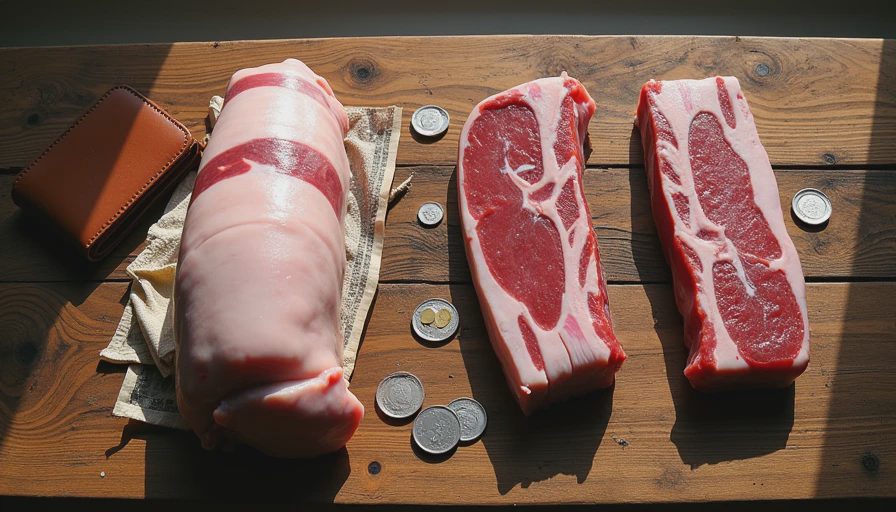
I remember the first time I cooked for a big crowd.
It was a family reunion. Kate's side of the family. About thirty people. I was new to barbecue, and I wanted to impress them. I bought a beautiful brisket, a few racks of ribs, and a pork shoulder. I spent the whole weekend smoking meat, checking temps, and obsessing over every detail.
The food was great. The compliments were even better. But when I sat down and added up what I spent, I felt sick.
A brisket at the time was around $3.50 a pound. A pork shoulder was $2.50. Wood, rubs, sauce, charcoal — it all added up. That single cookout cost me almost two hundred dollars. Two hundred dollars. For one meal.
I love feeding people. But I also love my wallet. So I started tracking the real cost of barbecue, per pound, and figuring out where I could save money without sacrificing flavor. Here's what I learned.
The Meat Math
Let's break it down. This is based on prices in the Kansas City area, but your local numbers will be similar.
Brisket: $4–$8 per pound
Beef prices have gone up in the last few years. A whole packer brisket can run you $60–$100 depending on the grade. Prime is more expensive, but you can get great results with Choice. The key is to watch for sales and buy in bulk. I buy my briskets when they're on sale and freeze them. A good sale can save you $20 or $30 on a single cook.
Pork Shoulder (Boston Butt): $2–$3 per pound
This is the budget-friendly star of the barbecue world. A whole pork shoulder (about 8–10 pounds) will cost you $20–$30. And it feeds a crowd. Pork shoulder is forgiving, delicious, and cheap. It's my go-to for backyard parties.
Ribs: $4–$6 per pound
Ribs are trickier. St. Louis style and baby backs both cost about the same. A full rack is around 3 pounds, so you're looking at $12–$18 per rack. For a crowd, you'll need multiple racks. It adds up.
Chicken: $2–$3 per pound
This is the cheapest protein in the game. Thighs and drums cost less than a dollar per piece. A whole chicken is a bargain. If you're feeding a crowd on a budget, chicken is your best friend.
The Wood and Charcoal
This is the hidden cost people forget. Good barbecue doesn't run on air.
Charcoal: $15–$25 per bag
A 20-pound bag of Kingsford Blue runs around $15. A bag of premium lump charcoal is closer to $25. For a long brisket cook, you'll go through most of a bag. If you're doing multiple cooks in a month, it adds up fast.
Wood Chunks: $10–$20 per bag
I use wood chunks for smoke flavor. A small bag lasts 2–3 cooks. I try to buy in bulk from local sellers. Facebook Marketplace is great for this. I've found guys selling seasoned oak splits for a fraction of what they cost at the hardware store.
The Rub and Sauce
Spices are cheap. The markup on pre-made rubs is not. You can make a good rub for pennies on the dollar compared to store-bought stuff.
Homemade Rub: $1–$2 per cook
Salt, pepper, garlic powder, paprika, sugar. These are pantry staples. The cost per cook is minimal.
BBQ Sauce: $2–$5 per bottle
A bottle of decent sauce is a few bucks. Homemade sauce is even cheaper. I use my one-sauce recipe from a previous post, and it costs almost nothing to make.
The Per-Pound Total
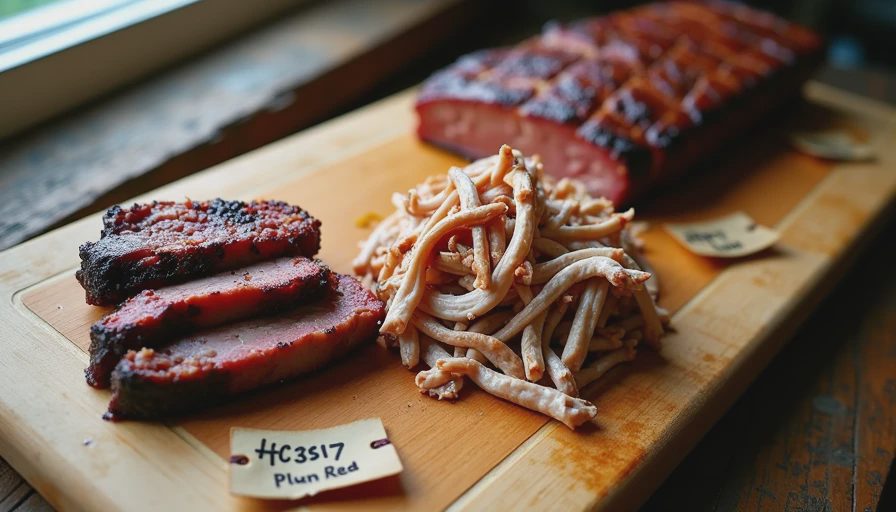
Here's the bottom line. When you factor in the cost of meat, wood, charcoal, and ingredients, here's what you're really paying per pound of finished meat.
Brisket (finished yield: 50–60% of raw weight)
A 16-pound brisket costs around $60–$80. After trimming and cooking, you'll get about 8–10 pounds of finished meat. That's $6–$10 per pound of finished brisket. Compare that to a restaurant where brisket is $20–$30 a pound. You're still ahead.
Pork Shoulder (finished yield: 60–70%)
A 10-pound pork shoulder costs $20–$30. You'll get about 6–7 pounds of pulled pork. That's $3–$5 per pound. That's a bargain.
Ribs (finished yield: 70–80%)
A 3-pound rack of ribs costs $12–$18. You'll get about 2.5 pounds of meat. That's $5–$7 per pound. Still cheaper than a restaurant.
Chicken (finished yield: 70–80%)
Chicken is the cheapest. A whole chicken costs $8–$12. You'll get about 3–4 pounds of meat. That's $2–$3 per pound. Hard to beat.
How to Save Money
Here are my best tips for keeping costs down.
Buy in bulk. If your freezer has space, stock up when meat goes on sale. I buy my briskets in the spring when prices drop for the summer. I freeze them and use them all year.
Cook cheaper cuts. Pork shoulder is the MVP of budget barbecue. It's forgiving, delicious, and feeds a crowd. Chicken thighs are a close second.
Make your own rub. It's cheaper and you can control the flavor. No more paying $15 for a bottle that's mostly salt.
Use a kettle grill. If you don't have a smoker, a Weber kettle can do almost everything. It uses less charcoal and less wood. It's the most versatile cooking tool I own.
Don't overbuy. I used to buy way too much meat for parties. It's better to cook a little less and have people want more than to send everyone home with leftovers they don't want.
The Bottom Line
Can cooking barbecue at home save you money? Yes. You can feed a crowd for half the cost of a restaurant meal. But it's not free. The equipment, the fuel, the time — it all adds up.
But here's the thing. That brisket I cooked for my family's reunion? The one that cost me $200? It was worth every penny. We sat around the table for hours. People who hadn't seen each other in years were laughing, telling stories, and fighting over the last slice of burnt ends. You can't put a price on that.
So yes, barbecue costs money. But the memories are priceless. Low and slow, and don't overthink it. But maybe keep an eye on your wallet.

No letters yet — be the first to write.