Choosing wood for smoking meat is one of the easiest ways to improve barbecue without buying a bigger smoker. The right wood adds aroma, color, and depth; the wrong wood can leave brisket tasting like a campfire ashtray. I learned that lesson the hard way with an overstuffed offset smoker and a pork shoulder that tasted like licking a fireplace. Low and slow, and do not overthink it, but do pay attention to what goes in the fire.
The best woods for different meats
Oak is my dependable all-purpose choice. It burns steadily, gives meat a medium smoke flavor, and works especially well for brisket, beef ribs, pork shoulder, and sausage. If you are new to barbecue and want one wood that will not bully the food, buy oak chunks or splits.
Hickory is stronger and more traditional for ribs, pork, chicken, and hearty beef. It gives barbecue that familiar bacon-like smoke, but heavy use can turn sharp and bitter. I usually mix hickory with oak rather than running a full fire of hickory for eight hours.
Apple and cherry are milder fruitwoods. Apple gives pork and chicken a gentle, slightly sweet smoke, while cherry brings a beautiful mahogany color to ribs and poultry. Cherry is also useful when you want visual appeal without an aggressive smoke flavor. It is not sugary; the sweetness is an aroma, not a glaze.
Pecan sits between mild fruitwood and stronger hickory. It is excellent with pork, turkey, chicken, and even burgers. Maple can work with pork and poultry as well, although it burns differently depending on the piece size and moisture. Mesquite is intense, fast-burning, and best used carefully with steaks, burgers, or short cooks. A small amount goes a long way.
How to choose wood for smoking meat
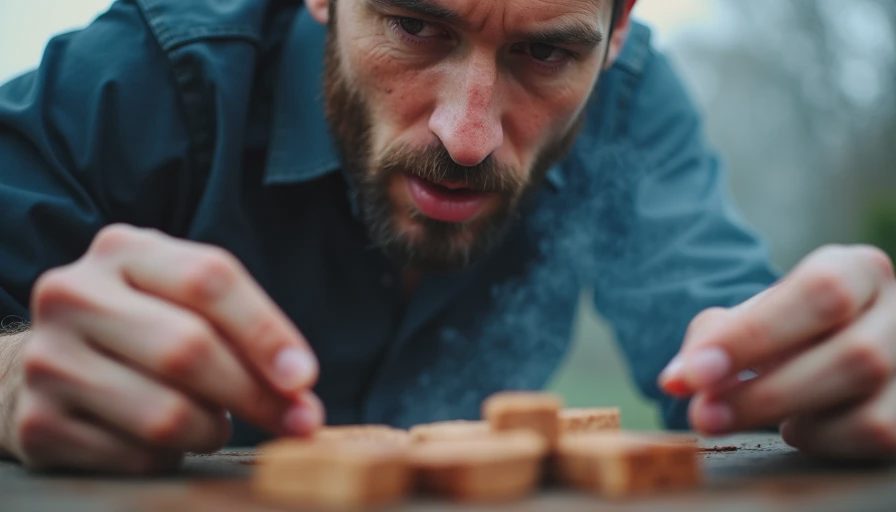
When comparing wood for smoking meat, start with the cut and the cooking time. A large brisket might spend twelve hours in the smoker, so a powerful wood can overwhelm it. Ribs often cook for four to six hours and can handle a little more character. Chicken absorbs smoke quickly, which is why a mild wood usually gives a cleaner result.
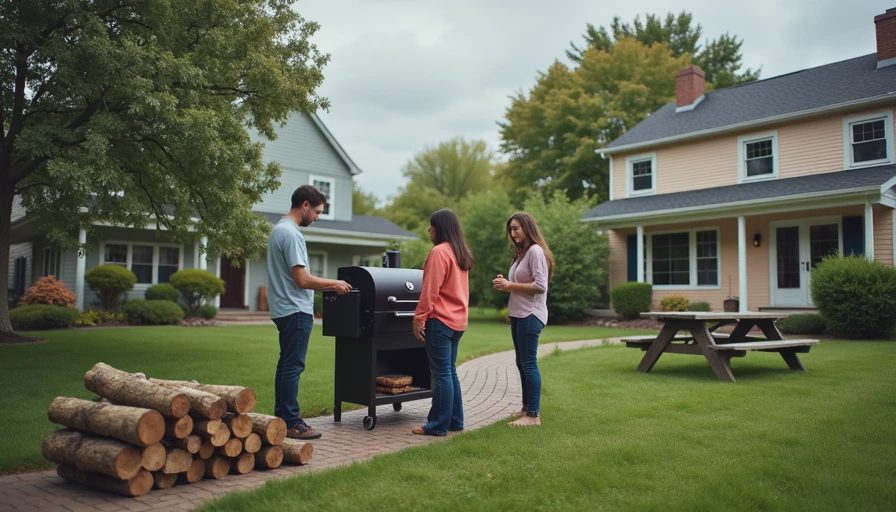
Think about your fire, too. An offset smoker needs dry splits that burn cleanly. A kettle grill or drum smoker works better with chunks. A pellet grill requires food-grade pellets made for that cooker, not random landscaping wood. On a gas grill, a small smoker box or foil packet can provide smoke, though it will not behave exactly like a wood-burning pit.
Use dry, seasoned hardwood. Good smoking wood feels light for its size, has visible cracks, and does not smell sour or chemically treated. Avoid painted lumber, construction scraps, plywood, pallet wood, and anything with glue, stain, or preservatives. Never grab a branch from a roadside tree and toss it into the smoker unless you know the species and know it has been properly seasoned.
Chunks, chips, and splits explained
Wood chunks are my favorite option for charcoal grills, kamado cookers, and smaller smokers. They smolder gradually and provide smoke without needing constant attention. Two or three chunks can be enough for a pork butt, so do not bury the firebox under a pile of wood.
Wood chips are smaller and burn quickly. They make sense in a smoker box or foil pouch on a gas grill, but placing dry chips directly on hot charcoal often produces a brief cloud followed by nothing. Soaking chips is not a magic fix. Wet chips usually steam first, then smolder unevenly once they dry. Use a chunk when your equipment allows it.
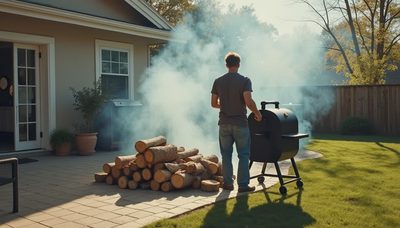
Splits are larger pieces used as the primary fuel in an offset smoker. A split should be roughly the size of your forearm, though the exact size depends on the firebox. The goal is a small, hot fire that produces thin, barely visible smoke. Thick white smoke usually means incomplete combustion, not extra flavor.
Getting clean smoke instead of bitter smoke
Clean smoke starts with airflow. Keep the fire supplied with oxygen, and adjust the intake vent before choking down the exhaust. A fire that cannot breathe smolders and sends creosote onto the meat. That sticky residue creates the bitter flavor people often blame on the wood species.
Watch the smoke coming from the stack. You may see a faint blue haze, or you may see almost nothing at all. That is fine. Barbecue does not need to look like a freight train. If the smoke is dense and white, let the fire settle before adding more food or wood.
For most long cooks, the meat takes on the majority of its smoke flavor during the early part of the cook. After the surface dries and the bark develops, adding wood nonstop can make the outside harsh without improving the center. I usually build a clean fire, add wood steadily for the first few hours, and then let the heat finish the job.
Simple wood pairings for common barbecue cuts
For brisket, oak is the safest starting point. Oak with a small amount of pecan gives beef a rounded, savory profile. Hickory can work, but use less than you think. Mesquite is better as an accent unless you are cooking a thin cut for a short time.
For pork shoulder and pork ribs, try apple, cherry, pecan, or hickory. Apple and cherry produce a mild flavor that suits pulled pork sandwiches, while hickory gives spare ribs a stronger barbecue identity. A half-and-half blend of oak and cherry is hard to dislike.
For chicken and turkey, choose apple, cherry, pecan, or a light oak. Poultry skin can become bitter quickly, especially at low temperatures with heavy smoke. Cook until the thickest part reaches a safe internal temperature, and do not chase dark color by adding more wood.
For fish and vegetables, use mild fruitwood or alder when available. Strong woods can overpower delicate ingredients in minutes. I once used hickory on a batch of salmon because it was already in the firebox. The fish was edible, but Kate correctly described it as a smoked doorstop.
A practical buying plan for beginners
If you are buying your first supply, get one bag of oak chunks or a small bundle of seasoned oak splits. Add apple or cherry for pork and poultry, then buy hickory when you want a stronger profile. That three-wood setup covers nearly every backyard cook without turning your shed into a lumber yard.
Keep wood off the ground and protected from rain, but let air move around it. A covered rack, open-sided shed, or simple pallet can work. Do not seal fresh splits in plastic, because trapped moisture encourages mold. Store chips in a dry container with a lid.
Before a weekend cook, test one new wood on something inexpensive, such as chicken thighs or a small pork tenderloin. Write down the species, amount, smoker temperature, and result in a notebook. That is how you build judgment faster than watching another ten videos.
The best wood for smoking meat is the wood that burns cleanly, suits the cut, and fits your cooker. Start with oak, add mild fruitwood when you want color and a softer flavor, and use hickory or mesquite with restraint. You do not need a competition trailer or a $3,000 smoker to make great barbecue. Get the fire breathing, keep the smoke clean, and let time do its work.

No letters yet — be the first to write.