If you’ve ever stared at a brisket and wondered whether to pull it, wrap it, or give it another hour, you’re in the right place. The brisket internal temp matters, but not in the simple way people like to make it sound. A brisket is not done just because the number hits 203. I’ve had briskets sit at 198 and still need more time, and I’ve had others turn tender before they ever looked “supposed” to be finished. The trick is learning what the thermometer tells you, what the meat feels like, and where the common traps are. Low and slow, and don’t overthink it.
What the number really tells you
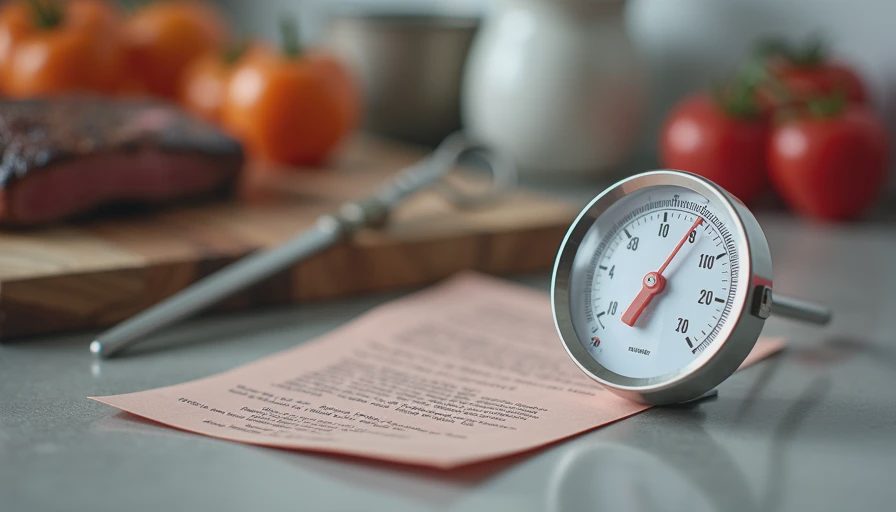
A good brisket cooks through a long stretch where connective tissue turns soft and the flat stops feeling tight. That’s why the brisket internal temp is useful, but it’s only one piece of the picture. Most pitmasters live in the 195 to 205 range for the flat, but that is not a magic finish line. Your brisket might be ready at 197 if the probe slides in with almost no resistance. Another brisket might still feel snappy at 203 because the heat distribution was uneven or the cut was thicker than usual.
Think of temperature as a checkpoint, not a finish flag. The real goal is tenderness. If you cook on a pellet grill, offset, or drum, the meat does not care what brand of smoker you own. It cares about time, heat, and how well the collagen broke down. That’s why a cheap instant-read thermometer can be enough if you know how to use it. You are not chasing a perfect number. You are trying to land on a brisket that bends, slices clean, and still holds moisture when you serve it.
Where to probe and why the flat fools people
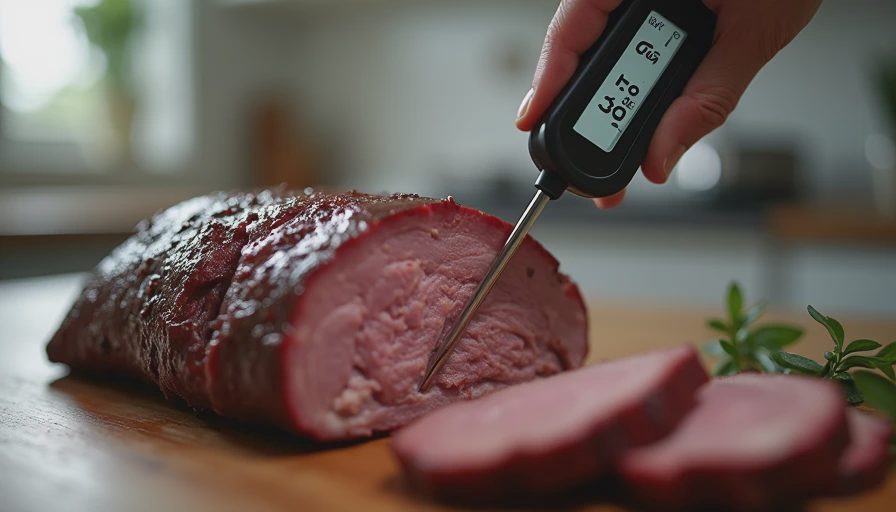
The flat is where most cooks get tripped up, because it is leaner and dries out sooner than the point. When I check brisket internal temp, I probe the thickest part of the flat, usually from the side, and I avoid fat seams and pockets that can give a fake reading. If your thermometer hits a soft lump of rendered fat, the number can look done before the meat actually is. That is how people end up slicing a brisket that looks fine but eats like pot roast left out too long.
Use the probe like a test, not a jab-and-run routine. Push it in slowly, then back out, and notice the resistance. You want that warm butter feel, not the tight, springy resistance you get when the collagen has not finished breaking down. If the point is well ahead of the flat, that is normal. The point has more fat and can coast farther without drying out. The flat is the part that tells you whether the whole brisket is ready for the board.
Wrapping, resting, and not pulling too early
Wrapping helps once the bark is where you want it and the brisket stalls around the mid-160s to low-170s. But wrapping is not a shortcut to finishing. It just helps the meat push through the stall and hold moisture better. Butcher paper keeps more bark intact. Foil moves heat faster and can soften the bark more. Either one works if you understand that the brisket internal temp still needs to climb and the meat still needs time for the fibers to relax.
This is where a lot of home cooks get impatient and ruin a good cook. They see 200 on the screen, yank the brisket, and slice it twenty minutes later. Bad move. Rest it until the carryover settles and the juices calm down. A short rest on the counter is fine, but a longer rest in a cooler or warmer works even better if you hold the brisket wrapped and dry. I like to give it at least an hour when I can, and longer if the schedule allows. The difference between a rushed slice and a rested slice can be the difference between juicy and disappointing.
The mistakes that make brisket eat dry
The first mistake is trusting time instead of feel. A 12-pound brisket from Costco does not cook like a 20-pound packer from your local butcher, and weather can change everything. Wind, rain, cold nights, and how often you open the lid all affect the cook. The second mistake is watching the clock and forgetting the brisket internal temp can climb unevenly. The flat may be ready while the point still needs a little more, or the other way around depending on the shape of the cut and your pit hot spots.
Another common miss is slicing too soon, then slicing with the grain by accident because the brisket is too hot and the cook is rushing. Once the meat rests, the grain is easier to see and the slices stay cleaner. If you want good barbecue on a weeknight budget, learn this one lesson: don’t declare victory just because the screen flashed a big number. Use the probe, use your eyes, and use your hands. That is how you avoid serving dry brisket to people who were already looking forward to dinner.
A simple backyard game plan for your next cook
Start with a trimmed brisket, a reliable thermometer, and steady pit temperature in the 250-ish range if your smoker likes it. Put the flat where it gets the most even heat, keep the lid closed, and start checking tenderness once the bark is set and the meat has pushed past the stall. If the brisket internal temp is still climbing but the probe feels tight, keep cooking. If the number looks a little low but the probe slides through like warm butter, that is the signal.
For most backyard cooks, the easiest plan is simple: cook, wrap, probe, rest, then slice. That rhythm works on an offset, pellet grill, kettle, or even a small cabinet smoker. If you are new to brisket, write down the pit temp, the wrap time, the finish temp, and how long you rested it. I keep a spiral notebook for that reason, and the notes saved me more than once after a humid Kansas City summer cook. The more you track, the less you guess, and the less you waste good meat.
Quick answers when the brisket gets stubborn
If the brisket stalls hard at 165 and sits there for what feels like forever, that is normal. The stall is moisture evaporating from the surface and cooling the meat. If the bark is set, wrapping can help you move on without drying out the exterior. If the brisket internal temp jumps faster than you expected after wrapping, that is also normal because the meat is no longer losing as much heat to the air.
If you only remember one thing, remember this: temperature gets you close, tenderness tells you when to stop. That is true whether you are cooking for family supper or trying to impress the neighbors. Keep your thermometer handy, probe the thickest part of the flat, and rest the brisket long enough to let the juices settle. That is the boring answer, and the boring answer is usually the one that works.


No letters yet — be the first to write.