An electric smoker can make excellent barbecue without demanding that you babysit a fire all afternoon. That matters when dinner needs to happen, the kids have practice, and you would rather enjoy a cold drink than adjust a vent every 15 minutes. I have cooked on offsets, pellet grills, and plenty of improvised backyard setups, and the basic lesson is simple: an electric smoker rewards steady temperatures and patience. Low and slow, and do not overthink it.
What an Electric Smoker Does Well
An electric smoker uses a heating element to create cooking heat, while wood chips provide the smoke flavor. You set the temperature, load the food, and let the thermostat handle much of the heat management. Unlike an offset smoker, it does not rely on you building and maintaining a live wood fire. Unlike a pellet grill, it usually does not feed hardwood pellets automatically.
That steady heat is especially useful for pork shoulder, ribs, chicken thighs, turkey breast, and sausage. A typical electric smoker runs in the 200 to 275 degree range, which covers most beginner barbecue cooks. It is also less intimidating for someone who has never learned how to manage a charcoal bed or read a clean-burning fire.
The tradeoff is that an electric smoker often produces a lighter smoke profile than a stick burner. That is not a flaw. It can be an advantage for family dinners, where heavy smoke makes one person happy and another person reaches for a sandwich instead. You can build deeper flavor with a dry rub, a short period of stronger smoke, and a good finishing sauce.
Choosing the Right Size and Features
Before buying an electric smoker, measure the space where it will live. A compact cabinet is convenient on a patio, but it may not fit a full packer brisket without trimming or folding. For a family of four, a cabinet with two or three racks is usually enough. If you regularly cook for parties, look for wider racks rather than a very tall, narrow design.
Brands such as Masterbuilt, Char-Broil, and Bradley offer models at different price points. Basic units often cost roughly $150 to $300, while larger models with improved insulation, digital controls, or integrated meat probes can run $400 or more. Spend money on usable rack space, a reliable door seal, and easy cleanup before chasing Wi-Fi controls.
A built-in water pan can help moderate the cooking environment, but it is not magic. A digital controller is helpful, yet the display may not match the temperature at the cooking grate. I keep a separate probe thermometer in every smoker because the built-in sensor tells you what it was designed to measure, not necessarily what your brisket is experiencing.
Seasoning and Setting Up Your Smoker
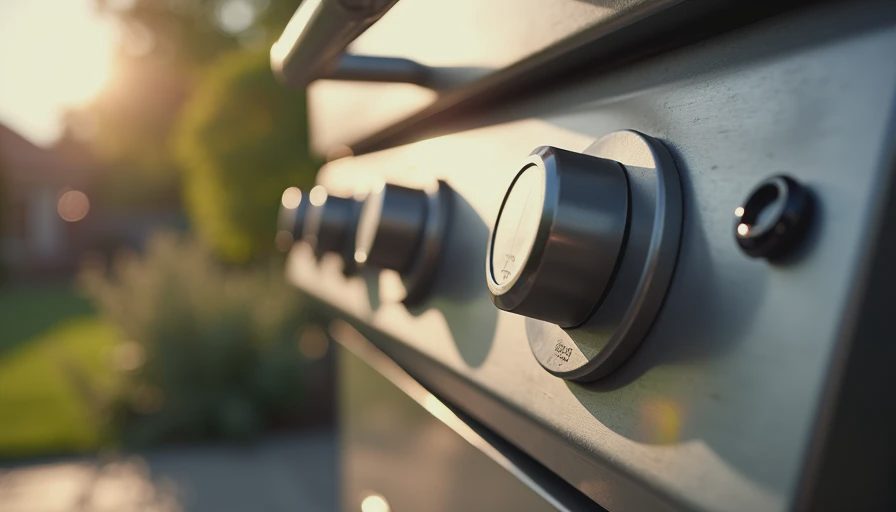
New equipment should be washed according to the manufacturer instructions, assembled securely, and seasoned before its first serious cook. Seasoning generally means running the unit empty at a moderate temperature so manufacturing residue burns away and the interior gains a thin protective coating. Follow the manual for the exact process, especially if the model has special instructions for its heating element or control panel.
Use the smoker outdoors on a stable, nonflammable surface with plenty of clearance from siding, railings, and overhanging branches. Keep the electrical cord dry and avoid extension cords unless the manufacturer specifically allows one. Never use an electric smoker inside a garage, enclosed porch, or other poorly ventilated space. Smoke and carbon monoxide are not patio decorations.
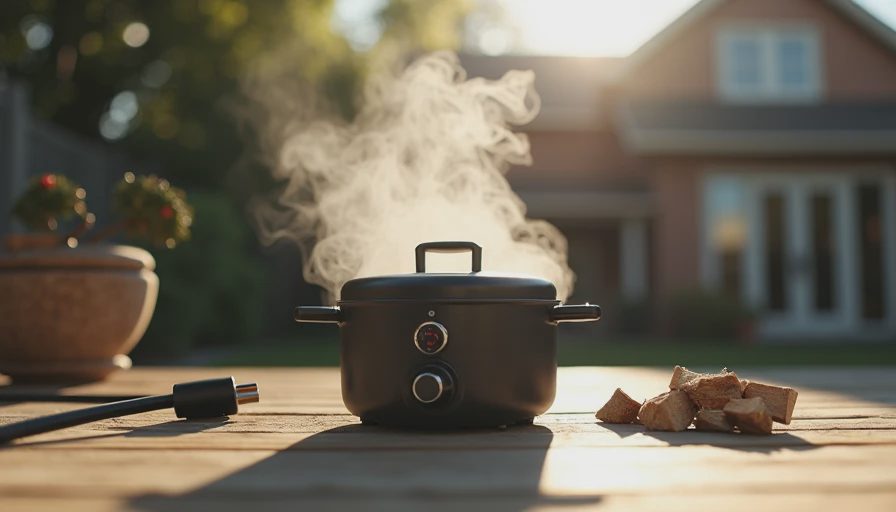
For wood, start with a small amount. A handful of chips may be enough for chicken or ribs, while a larger pork shoulder may need several additions during the first few hours. Hickory works well with pork, apple gives chicken a softer smoke note, and pecan is a friendly middle ground. Do not soak chips automatically; wet chips can delay clean smoke and create steam instead.
A Simple Cooking Method That Works
Start by trimming only the hard fat and loose pieces that will burn. Apply a thin coat of mustard or oil if you like, then season generously with salt, pepper, paprika, garlic, and brown sugar. The binder adds little flavor after cooking, but it helps the rub stick.
Preheat the electric smoker to 225 or 250 degrees. Put the meat on the rack with space around it so warm air and smoke can circulate. Keep the door closed as much as possible. Every peek releases heat, extends the cook, and gives you another chance to worry about something that is probably fine.
For ribs, begin checking tenderness after about four hours at 250 degrees, depending on thickness and whether you wrap them. Pork shoulder may take eight to twelve hours, while chicken thighs can finish in two to three hours. These are planning windows, not promises. The thermometer and the feel of the meat matter more than the clock.
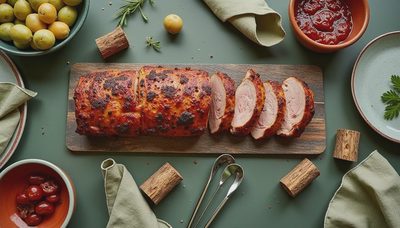
An electric smoker makes temperature control easier, but it cannot tell you when collagen has softened or when a bark has developed. For pulled pork, look for a probe to slide into the meat with little resistance, often around 195 to 205 degrees. Rest the shoulder for at least 30 minutes before pulling it apart.
Managing Smoke, Moisture, and Bark
Too much smoke is one of the most common beginner mistakes. If the food tastes bitter or looks dark before it is tender, reduce the wood. Smoke should smell clean and pleasant, not like a campfire smoldering under wet leaves. The heating element supplies the cooking heat; the chips only need to add flavor.
A water pan can keep the cooking chamber from drying quickly, but meat does not need to be submerged in moisture to stay juicy. Pork stays moist because of its fat, connective tissue, and careful cooking. Chicken benefits more from a dry surface and proper finishing temperature than from a pan full of water.
If the bark looks pale, finish the meat uncovered at a slightly higher temperature, or move it briefly to a hot grill. An electric smoker is excellent for controlled smoke, but it is not designed to sear. A cast-iron skillet, gas grill, or broiler can provide the final crust that a cabinet smoker cannot.
Common Problems and Easy Fixes
If your electric smoker will not reach temperature, check the door seal, outdoor conditions, extension cord, and whether the unit is overloaded with cold food. Wind and freezing weather can slow a small cabinet considerably. Give the smoker room to work instead of repeatedly raising the thermostat.
If the meat tastes bland, season earlier and use enough salt. A thick brisket needs more seasoning than a few chicken thighs because there is more meat between the surface and the center. If the outside is salty but the middle tastes flat, improve the slicing and serve with a lightly seasoned sauce rather than dumping on more rub.
If the cook finishes early, wrap the meat in foil or butcher paper and hold it in an empty cooler with towels for a couple of hours. Keep hot food safely hot, and use a clean probe when checking temperatures. Leftovers should be refrigerated promptly in shallow containers.
Is an Electric Smoker Right for You?
Choose an electric smoker if you want repeatable low temperatures, simple controls, and barbecue that fits around normal life. It is a particularly good starting point for apartment-adjacent patios, families, and cooks who enjoy the flavor of smoke but do not want a second job managing a fire.
Skip it only if your main goal is a roaring wood fire, intense smoke, or a hard seared crust from one cooker. Even then, you can use an electric smoker as a dependable smoke stage before finishing ribs, steaks, or chicken over charcoal.
The best setup is the one you will actually use. Buy a manageable model, add a separate thermometer, start with ribs or pork shoulder, and write down the temperature, wood, weather, and result. My spiral notebook has plenty of ugly entries, including a brisket I dried out so badly that even the dog lost interest. Each cook taught me something useful. An electric smoker will do the same for you, one steady dinner at a time.


No letters yet — be the first to write.