A good bbq rub does more than make meat taste salty. It helps create the dark, flavorful bark that makes smoked ribs, brisket, pork shoulder, and chicken worth the wait. The trick is using enough seasoning to flavor the surface without burying the meat under a gritty layer of sugar and spices. After twelve years managing restaurant kitchens and plenty of backyard smoke sessions, I have learned that the best bbq rub is usually simple, balanced, and applied with a little patience.
You do not need a $3,000 smoker or a pantry full of exotic ingredients. A kettle grill, pellet cooker, offset smoker, or even a basic gas grill can produce excellent results. Start with the fundamentals, pay attention to heat, and remember the house rule: low and slow, and do not overthink it.
What Makes a BBQ Rub Work
Most barbecue seasoning blends are built around four jobs: salt for seasoning, sugar for browning, spices for aroma, and savory ingredients for depth. Salt is the most important because it moves into the outer layer of the meat and makes each bite taste more complete. Brown sugar brings sweetness and helps the surface darken, although it can burn when cooking temperatures climb too high.
Black pepper, paprika, garlic powder, onion powder, and chili powder form a dependable starting point. Paprika adds color without overwhelming heat, while black pepper gives brisket and beef ribs a sharp edge. Garlic and onion make pork and chicken taste fuller. For a Kansas City-style profile, I usually push the sweet and smoky notes a little more than I would for a Texas-style beef rub.
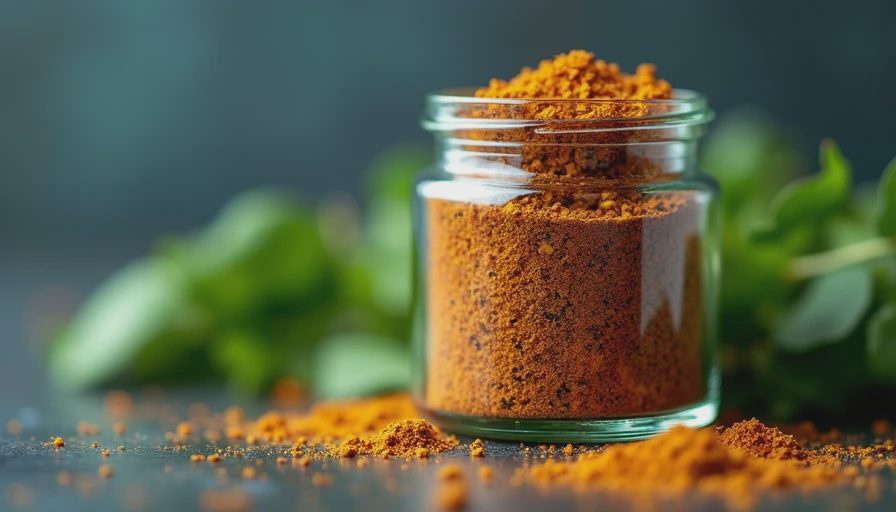
A basic homemade bbq rub can be made with four tablespoons of paprika, two tablespoons each of kosher salt and coarse black pepper, one tablespoon of brown sugar, and one tablespoon each of garlic powder and onion powder. Add cayenne or chipotle powder if your table enjoys heat. Mix it thoroughly in a bowl so the salt does not settle in one pocket and the sugar in another.
How to Match Rub to the Meat
Chicken accepts bold seasoning because its flavor is mild and its skin benefits from color. Use a bbq rub with paprika, garlic, onion, black pepper, and a modest amount of sugar. Apply it under the skin on breast and thigh meat when possible, then season the outside. That gives the meat flavor instead of leaving all the seasoning on the skin.
Pork shoulder and ribs work beautifully with sweet, savory blends. Brown sugar, paprika, mustard powder, and a little cayenne give pulled pork a familiar backyard barbecue flavor. Ribs do not need a thick coating. A light, even layer lets the meat develop bark without turning every bite into a mouthful of loose seasoning.
Brisket is where many new cooks overcomplicate things. Coarse salt and coarse black pepper are enough to produce excellent bark, especially on a well-trimmed packer brisket. If you prefer a more colorful blend, use paprika and garlic, but keep the profile restrained. The beef should still taste like beef after ten or twelve hours in the cooker.
Fish, turkey, and vegetables need a lighter hand. A sugary bbq rub can scorch on delicate foods, so reduce the sugar and use lemon pepper, dried herbs, or smoked paprika instead. For corn, mushrooms, or sliced zucchini, brush with oil first and add seasoning just before grilling.
Applying Seasoning Without Making a Mess
Pat the meat dry with paper towels before seasoning. Moisture on the surface can make the blend clump and slide instead of forming an even coating. You can apply a thin binder such as yellow mustard, hot sauce, or neutral oil, but it is not mandatory. Mustard adds very little noticeable mustard flavor after a long cook; its main job is helping the seasoning stick.
Hold your hand about eight to ten inches above the meat and sprinkle from there. This distributes the bbq rub more evenly than dumping it in one pile. Cover the top, sides, and any exposed edges, then gently press the seasoning into place. Do not aggressively rub it back and forth, because that can create wet patches and remove the seasoning you just applied.
For ribs and pork shoulder, seasoning thirty minutes before cooking is perfectly practical. Overnight seasoning can work too, especially with larger cuts, but remember that salt keeps moving inward while the meat rests. If your blend is heavily salted, use a thinner coating and avoid adding another salty sauce later.
Heat, Sugar, and Bark
Sugar is useful, but it is not magic. At higher grill temperatures, sugar can darken quickly and then turn bitter. That is why a sweet bbq rub is safer for low-temperature smoking than for direct grilling over hot coals. If you are cooking chicken wings at 400 degrees Fahrenheit, choose a low-sugar blend or add the sweet seasoning near the end.
Bark develops through several processes, including drying, browning, rendered fat, smoke exposure, and the interaction of spices with the meat surface. Smoke alone does not create great bark. If the cooker is running too cool and the surface stays wet, the seasoning can remain pasty for hours. If the fire is dirty and producing thick white smoke, the outside can taste bitter no matter how good the blend was.
I aim for a clean-burning fire and steady temperatures around 225 to 275 degrees Fahrenheit for most pork and beef cooks. The exact number matters less than avoiding wild swings. A pellet grill, kettle, or offset can all do the job when the cook is managed patiently.
Store-Bought or Homemade?
A store-bought bbq rub is convenient, consistent, and often a smart choice for a weeknight cook. Brands such as Meat Church, Killer Hogs, Weber, and Badia offer blends with different levels of sweetness, salt, and heat. Read the ingredient label before buying. If salt or sugar appears first, expect those flavors to lead.
Homemade seasoning gives you control over every part of the profile. It also costs less when you already have paprika, pepper, garlic, and onion powder in the cabinet. Keep a small notebook with the formula and record what you changed. I have done this for years, including notes about weather, wood, cooking temperature, and whether the bark was too salty for Kate or the kids.
For a first batch, make only enough for one or two cooks. Spices lose aroma over time, and a blend that sounded exciting in January may taste flat by summer. Store it in an airtight container away from heat and sunlight, and label it with the date and salt level.
A Simple Barbecue Game Plan
Trim the meat, pat it dry, and apply a measured layer of bbq rub. Preheat the cooker and wait until the smoke looks thin and clean. Put the meat on with the thicker side facing the hotter area, then leave the lid closed long enough for the temperature to stabilize. Opening the cooker every fifteen minutes slows the cook and makes the fire work harder.
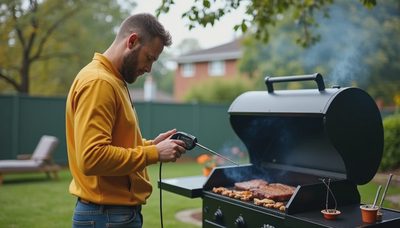
Use an instant-read thermometer for thin cuts and a leave-in probe for brisket or pork shoulder. Temperature tells you when to start checking, but tenderness decides when the meat is done. A brisket probe should slide into the flat with little resistance. Pork should pull apart easily, and ribs should bend without completely collapsing.
Rest the meat before slicing. Fifteen minutes can help chicken, while large cuts often benefit from an hour or more wrapped in butcher paper or foil and held in a safe warm place. Slice brisket across the grain, serve ribs with clean bones and visible bark, and save the drippings for beans or sauce.
The right bbq rub will not rescue an overcooked brisket or a dirty fire, but it can make a solid cook taste memorable. Start with a balanced blend, match it to the meat, control the heat, and keep notes after every smoke. That is how backyard barbecue gets better without becoming a second job.



No letters yet — be the first to write.