If you want smoked chicken that is safe to eat and still worth bragging about, chicken internal temp is the number to watch. Color, cooking time, and a crisp-looking skin can all fool you. A reliable instant-read thermometer cannot. After years of restaurant kitchens, backyard cooks, and more than a few overcooked chicken breasts, I trust temperature first and everything else second.
The simple food-safety target is 165 degrees Fahrenheit in the thickest part of the meat. That applies to breasts, thighs, wings, drumsticks, and ground chicken. On a smoker, the challenge is reaching that temperature evenly without turning lean breast meat into sawdust. The answer is a steady fire, sensible timing, and checking more than one spot.
The safe chicken internal temp to remember
The USDA safe minimum for chicken is 165 degrees Fahrenheit. That temperature needs to be reached in the thickest section, away from bone, and measured with a properly placed thermometer. If you are cooking a whole bird, check the breast and the innermost part of the thigh. If you are smoking pieces, check each type separately because a small wing and a thick bone-in breast will not finish together.
Chicken internal temp is more dependable than minutes per pound. A four-pound bird might finish in under two hours on a hot grill, while the same bird could take several hours in a 225-degree smoker. Wind, outdoor temperature, bird shape, how often you open the lid, and the accuracy of your cooker all change the schedule.
I usually run smoked chicken around 275 to 300 degrees. That is still gentle enough for smoke flavor, but hot enough to help the skin render instead of staying rubbery. If you cook at 225 degrees, plan for more time and expect the skin to need a finishing blast over direct heat.
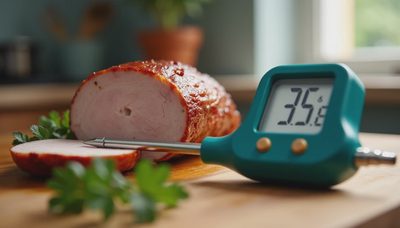
The best thermometer is the one you will actually use. An inexpensive instant-read model is enough for most backyard cooks. A leave-in probe is useful for watching a whole chicken, but confirm the final reading with an instant-read thermometer before serving.
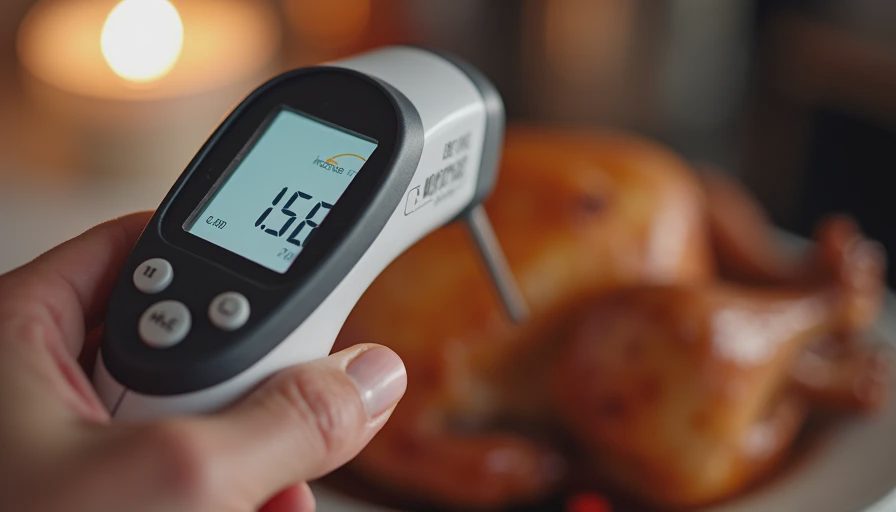
Targets for breasts, thighs, wings, and whole birds
Chicken breast is lean, so I start checking it around 155 degrees. The safe chicken internal temp is 165, but meat can continue cooking slightly after it comes off the smoker. That carryover cooking is not guaranteed, so do not remove a cold breast at 145 and hope for a miracle. Take it off when the thickest section is close to, or has reached, 165 degrees, then rest it for several minutes.
Thighs and drumsticks are more forgiving. They are safe at 165, but many barbecue cooks prefer them around 175 to 185 degrees because the connective tissue softens and the meat becomes more tender. Unlike breast meat, dark meat often tastes better with extra cooking. The texture tells the story: properly finished thighs should feel tender when probed, not springy or tight.
Wings also need to reach 165 degrees, although their small size means they can cook quickly. For better bite-through skin, smoke them until the meat is done, then move them over hotter heat for a few minutes. Whole chickens should be checked in the breast, thigh, and sometimes near the joint. The lowest reading controls the decision.
Bone-in meat creates a common thermometer mistake. If the probe touches bone, it can give an unreliable reading. Slide the tip into the side of the thickest meat and aim for the center. Check two or three locations, especially if the pieces vary in size.
How to measure chicken without guessing
Open the cooker briefly and insert the probe from the side rather than straight down. A side entry makes it easier to find the center of a breast or thigh. Do not measure only the outside edge, where the meat heats first. With a whole chicken, avoid probing into the cavity and reading the hot air inside.
Clean the thermometer probe between raw and cooked checks. I keep a damp paper towel and a little food-safe sanitizer nearby during a cook, then wash the probe properly afterward. That small habit prevents raw juices from traveling back onto sliced meat or serving plates.
Chicken internal temp can rise several degrees while the meat rests, especially on a large whole bird. Rest breasts and pieces for about five to ten minutes before slicing. A whole chicken can rest for 15 to 20 minutes, loosely tented with foil. Tight foil traps steam and can soften the skin you worked to develop.
If your thermometer gives wildly different readings, test it in ice water. A properly prepared ice-water bath should read close to 32 degrees Fahrenheit. You can also check boiling water, though elevation affects that result. A $20 thermometer that reads accurately beats a $100 gadget that stays in a drawer.
Why smoked chicken turns dry or rubbery
Dry chicken usually comes from cooking the breast too far, not from a lack of sauce. Sauce can cover the problem, but it cannot put moisture back into the meat. Track chicken internal temp during the final stretch and pull the breast as soon as it is safely done. Slicing immediately makes things worse because the juices run onto the cutting board instead of staying in the meat.
Rubber skin is a separate problem. Low temperatures create smoke flavor but do not always render chicken skin well. Pat the skin dry before seasoning, leave the chicken uncovered in the refrigerator for a few hours if you have time, and cook closer to 275 degrees. You can finish the chicken over a hot grill or under a broiler for crispness, watching closely because sugar-heavy rubs burn fast.
Brining helps, but it is not magic. A basic wet brine can add seasoning and some moisture insurance, while a dry brine with kosher salt can improve flavor and skin. Either way, drain and dry the chicken before it goes on the smoker. Wet skin has a harder time browning.
A simple backyard chicken cooking plan
Start by trimming loose skin and fat, then pat the chicken dry. Season under the skin on breasts and thighs when possible. Preheat the smoker and confirm its grate temperature with a separate thermometer if the built-in gauge seems suspicious. Put the larger pieces closer to the hotter area only if your cooker has noticeable temperature differences.
Cook with the lid closed and begin checking early. For pieces, start probing after about 45 minutes at 275 to 300 degrees. For a whole chicken, begin checking around the one-hour mark, then adjust based on size and cooker temperature. These are checkpoints, not promises. The thermometer decides when the chicken is ready.
Once the thickest breast reaches 165 degrees and the thighs are at least 165, move the chicken to a clean platter. Give dark meat more time if it still feels firm. Rest before slicing, then serve with sauce on the side or brush it on during the final few minutes.
The chicken internal temp cheat sheet
For safety, chicken reaches its minimum at 165 degrees Fahrenheit. Breasts are best removed near that target so they stay juicy. Thighs and drumsticks often improve between 175 and 185 degrees. Wings should reach 165 and benefit from a hot finishing step. Ground chicken must reach 165 throughout, with no pink center or cold pocket. A whole bird is ready only when the breast and thigh both pass their checks.
Do not rely on clear juices, white meat, or a firm surface as proof. Those signs are useful observations, but they are not measurements. The chicken internal temp tells you what is happening in the center, where the heat arrives last.
That is the whole game: cook steadily, probe the thickest part, avoid the bone, and give the meat time to rest. You do not need an expensive smoker or a competition setup. Low and slow, and do not overthink it—just keep a thermometer nearby and let chicken internal temp make the final call.

No letters yet — be the first to write.