Kansas City BBQ is not about owning a $3,000 smoker or memorizing a secret sauce recipe. It is about managing heat, smoke, seasoning, and time well enough to turn an ordinary Saturday into a meal people talk about on Monday. I have burned briskets, dried out ribs, and once served chicken with bark like a roof shingle. The good news is that every one of those mistakes taught me something useful.
Kansas City barbecue traditionally means a generous spread: ribs, brisket, pulled pork, burnt ends, sausage, and sides that can hold their own beside the meat. The style is known for balanced seasoning and a sweet, tangy sauce served at the table rather than poured over everything. At home, you can get remarkably close with a kettle grill, pellet smoker, offset, or even a compact electric unit. Low and slow, and don't overthink it.
What Makes Kansas City BBQ Taste Different
The biggest difference is balance. A good Kansas City BBQ rub usually brings salt, brown sugar, black pepper, paprika, garlic, and a little heat. Sugar helps build a dark, attractive bark, while pepper and paprika keep the flavor from tasting like candy. I often start with equal parts kosher salt and coarse black pepper, then add brown sugar, paprika, garlic powder, and a small amount of chili powder.
Sauce should support the meat, not rescue it. A typical Kansas City-style sauce is thicker and sweeter than a vinegar-forward sauce, but it should still have acidity from vinegar or tomato. Brush it on ribs during the final 20 to 30 minutes so it sets without burning. For pulled pork, serve sauce on the side and let people choose their own level. That simple move keeps the bark from turning soggy.
Wood matters, but not as much as fire control. Apple and cherry bring mild fruitiness, while oak gives a stronger, reliable smoke. Hickory works well with pork when used in moderation. If your food tastes bitter, the problem is usually dirty combustion or too much wood, not a lack of smoke. Thin, clean smoke is what you want; thick white clouds are a warning.

Choosing Meat Without Wasting Money
For a first Kansas City BBQ cook, pork shoulder is the forgiving champion. A seven- to nine-pound shoulder can feed a crowd, tolerates temperature swings, and becomes tender after several hours. Look for good marbling and a flexible fat cap. Trim away loose flaps and hard chunks of fat, but do not carve the roast down to bare meat.
Spare ribs are another practical choice. They are meatier and often less expensive than baby backs, though they need trimming. Remove the thin membrane from the bone side, square off ragged ends, and season every surface. Brisket is more demanding because the flat can dry out before the point is tender. If you are learning, buy a smaller brisket flat or practice on chuck roast first. It teaches the same patience at a lower grocery bill.
Let the meat sit uncovered in the refrigerator for a few hours after seasoning when possible. That dries the surface slightly and helps the rub adhere. You do not need an overnight ritual, but seasoning immediately before cooking can leave the exterior wetter and less evenly seasoned.
Managing Temperature on Any Smoker
Set your cooker for roughly 250 degrees Fahrenheit and give it time to stabilize. Do not chase every five-degree fluctuation. In my old offset smoker, the temperature near the firebox runs hotter than the reading at the exhaust. I learned to rotate meat only when the difference mattered, not every time the gauge moved.
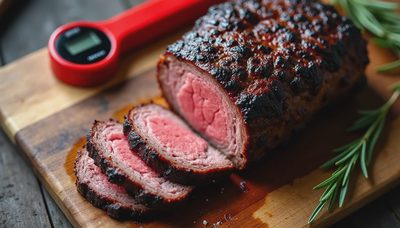
Use a reliable probe thermometer, and place the probe in the thickest part of the meat without touching bone. For ribs, tenderness is more useful than a single finishing temperature. For pork shoulder, begin checking around 195 degrees, then probe for easy resistance. Brisket is done when the probe slides into the flat with little resistance, often somewhere in the 195-to-205-degree range.
The stall is normal. Large cuts can sit at the same internal temperature while moisture evaporates from the surface. If dinner has a deadline, wrap the meat in butcher paper or foil once the bark looks right. Foil moves faster but softens the bark more. Paper breathes a little and preserves more texture.
A Simple Cook Plan for Ribs and Pork
The night before, trim the meat, apply the rub, and refrigerate it. The next morning, light the smoker and stabilize the cooker before adding food. Smoke ribs for about three hours, then check their color and flexibility. If they look dark enough, wrap them with a small splash of apple juice or broth for roughly two hours. Finish unwrapped with sauce for 20 to 30 minutes.
For pulled pork, plan on a long cook plus at least one hour of rest. Wrap during the stall if you need a predictable schedule, then place the finished shoulder in a dry cooler or warm oven. Keep it wrapped and let the juices settle. Pulling immediately can send flavorful moisture onto the cutting board instead of back into the meat.
My family does not care whether I hit a competition-style timeline. Colt wants burnt edges, Sadie wants soft bread, and Kate wants dinner served before bedtime. That is why I write down the cook but plan around tenderness, not the clock. Restaurant good and Tuesday-night good are related, but they are not identical.
Building a Kansas City BBQ Plate
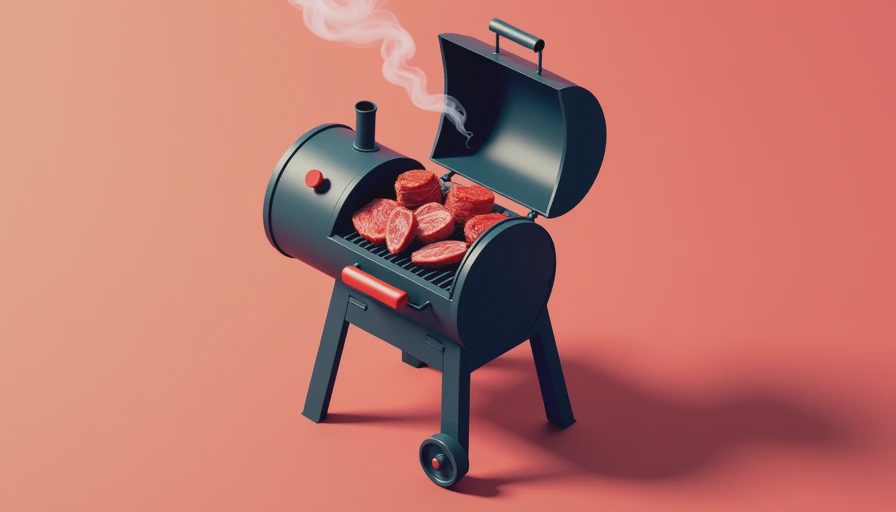
A proper Kansas City BBQ plate needs contrast. Pair rich pork or ribs with something crisp, acidic, and fresh. Creamy coleslaw, pickles, sliced onions, baked beans, and cornbread all work because they cut through smoke and fat. You can make a strong meal without preparing six sides. One cold side, one warm side, and good bread are enough for most backyard gatherings.
Serve sliced brisket across the grain. If the slice crumbles when lifted, it may be overcooked; if it pulls like rubber, it needs more time. Pull pork into strands, removing large pockets of unrendered fat as you go. For ribs, a clean bite should leave the bone without shredding the whole rack. Sauce belongs on the table in two versions when possible: one sweeter and one with extra vinegar or heat.
Common Mistakes I Still See
The first mistake is opening the lid every 15 minutes. Each peek costs heat and extends the cook. The second is adding wood because the meat does not look smoky. Color develops from seasoning, smoke, and cooking chemistry; more wood does not automatically improve it. The third is slicing too soon. Resting is part of cooking, not a delay after cooking.
Another problem is using too much sugar in the rub or sauce. Sweet flavors can burn over a hot fire and hide the meat. Start modestly, taste the sauce before serving, and adjust with vinegar, mustard, black pepper, or hot sauce. Finally, do not compare your backyard results with carefully edited competition videos. Learn your equipment, record weather and temperatures, and make one improvement at a time.
Your Next Kansas City BBQ Cook
Write down the cut, weight, rub, wood, cooker temperature, wrapping time, and result. My spiral notebook has plenty of ugly entries, but it also shows patterns: windy days need more fuel, thin brisket flats need earlier wrapping, and ribs cook faster when the cooker is crowded less. That record is more valuable than buying another accessory.
Start with pork shoulder or spare ribs, keep the fire steady, and give yourself extra time. Invite friends who appreciate a good meal rather than a perfect photograph. Once the meat is tender, rest it properly, slice or pull it cleanly, and put sauce on the table. That is the heart of Kansas City BBQ: generous food, clear flavors, and enough patience to let the cooker do its job. Low and slow, and don't overthink it.



No letters yet — be the first to write.