Smoked pork butt is one of the most forgiving pieces of barbecue you can cook, which is good news if your smoker has more personality than temperature control. Give it steady heat, enough time, and a little patience, and you can turn an inexpensive pork shoulder into smoky, juicy barbecue for sandwiches, tacos, nachos, or a Saturday dinner that feeds the whole neighborhood.
I have cooked this cut on a beat-up offset, a pellet grill, and a basic kettle with charcoal baskets. The equipment changed, but the important moves stayed the same. Low and slow, and don't overthink it.
Choose the right pork shoulder
The grocery store may label the cut pork butt, Boston butt, or pork shoulder. For barbecue, I usually buy a bone-in butt weighing 7 to 9 pounds. Despite the name, it comes from the upper shoulder, not the rear of the animal. It contains plenty of connective tissue and fat, which slowly melts during a long cook and keeps the finished meat rich.
A boneless shoulder works, but it can cook unevenly and lose its shape. Bone-in cuts give you a useful doneness clue: when the bone wiggles loose with little resistance, the meat is usually close. Look for a thick fat cap, firm meat, and decent marbling. You do not need the most expensive package in the cooler. A standard supermarket shoulder can make excellent smoked pork butt.
Trim away any hard, waxy chunks of fat and leave roughly one-quarter inch of the softer fat cap. Remove loose flaps that will burn, but do not carve the roast into a perfect sculpture. That is how you turn a simple cook into a two-hour trimming project.
Seasoning and smoker setup
For a dependable rub, combine kosher salt, coarse black pepper, paprika, brown sugar, garlic powder, onion powder, and a small amount of cayenne. A useful starting point is two parts paprika, one part black pepper, one part brown sugar, and smaller amounts of the other seasonings. The salt matters most because it penetrates the meat and improves flavor throughout the roast.
Pat the pork dry, coat it lightly with yellow mustard or hot sauce, and apply the rub generously on every side. The mustard is not there to make the meat taste like mustard; it simply helps the seasoning cling to the surface. If you have time, season the roast several hours ahead or refrigerate it overnight. If dinner planning got away from you, seasoning it right before cooking still works.
Set the smoker for 250 F. I prefer that temperature over 225 F for a family meal because it shortens the cook without sacrificing tenderness. Use a mild to medium smoke such as hickory, apple, cherry, or pecan. Hickory is my Kansas City default, but two or three chunks are enough for most backyard smokers. More smoke does not automatically mean better barbecue.

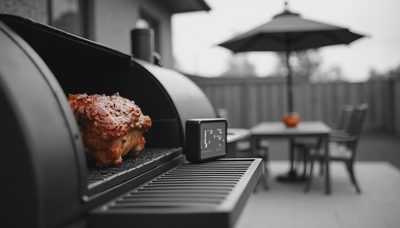
Put the pork on with the fat cap facing the heat source if your cooker has a hot spot below. On many pellet grills, the heat comes from underneath, so the fat cap can help shield the surface. On an offset smoker, place the thicker end toward the firebox. Insert a probe into the thickest part, avoiding the bone, and leave the lid closed as much as possible.
Manage the cook without chasing numbers
Plan on roughly 8 to 12 hours for a 7- to 9-pound smoked pork butt, but use temperature and feel rather than the clock. The meat often climbs steadily at first, then appears stuck around 150 to 170 F. That slowdown is called the stall. Moisture evaporating from the surface cools the roast, much like sweat cools your body.
The stall is not a problem to fix. You have two reasonable choices. Leave the pork uncovered and let the bark become darker and firmer, or wrap it once the bark looks the way you want. Wrapping in unwaxed butcher paper preserves more bark texture, while aluminum foil speeds the cook and holds in more moisture. Foil can soften the crust, but the result is still excellent for pulled pork.
I usually wrap around 165 F, after the rub has formed a dry, dark surface. Add a small splash of apple juice, cider vinegar, or pork stock if you like, but do not pour in a cup of liquid. The pork already contains plenty of moisture, and excess liquid can wash away the bark.
Know when the pork is done
Temperature is a guide, not a finish line. Start checking the roast around 195 F, then probe several spots with an instant-read thermometer. A finished smoked pork butt usually lands somewhere between 195 and 205 F, but tenderness matters more than a magic number. The probe should slide into the meat with about the resistance of softened butter.
If one area still feels tight, keep cooking. Pork shoulder has collagen that needs time and heat to dissolve. Pulling it at 185 F because the clock says dinner is ready can leave you with meat that is technically hot but frustratingly chewy.
When the roast is tender, move it to a pan and keep it wrapped. Let it rest for at least 45 minutes, and an hour is even better. Resting allows the juices to settle and gives the collagen time to finish relaxing. I have rushed this step before when hungry kids were circling the kitchen, and the cutting board paid for it.
Pull, sauce, and serve
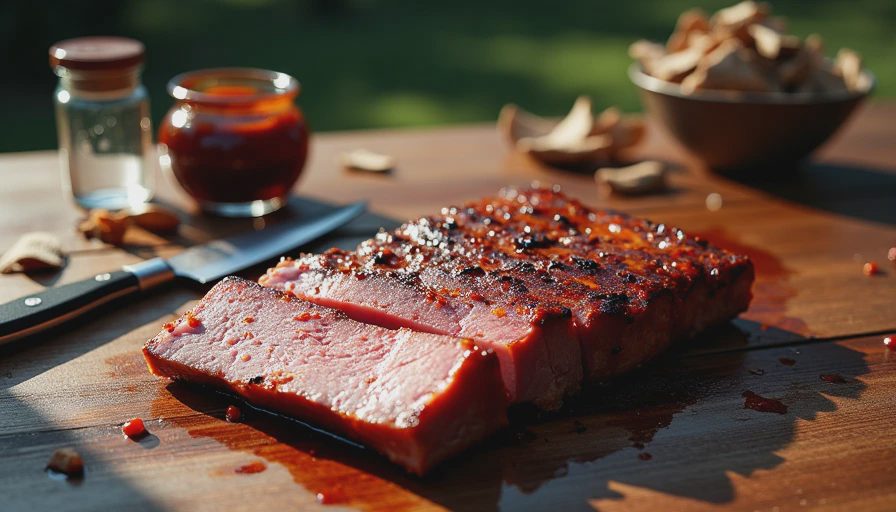
Unwrap the pork carefully because the juices will be hot. Save those juices, skim off excess fat, and mix a few spoonfuls back into the pulled meat. Remove the bone and any large pockets of fat, then pull the shoulder into strands with gloved hands or two forks. Do not shred every piece into cotton; leave some larger chunks for better texture.
Taste before adding sauce. A good smoked pork butt should have a smoky bark, savory seasoning, and enough natural richness to stand alone. Serve sauce on the side, especially if guests prefer different styles. Kansas City-style barbecue sauce brings sweetness and tang, while a thin vinegar sauce adds brightness and cuts through the fat.
For a simple meal, pile the pork onto toasted buns with crunchy slaw and pickles. Leftovers work well in quesadillas, breakfast hash, grilled cheese, or baked potatoes. Refrigerate leftovers within two hours, and store them in shallow containers so they cool quickly. Reheat gently with a splash of reserved juice or broth.
A practical timeline for dinner
For a 6 p.m. meal, put a 7- to 9-pound roast on at 250 F around 7 a.m. That gives you several hours for the first stage, a stall, wrapping, and a proper rest. If it finishes early, keep it wrapped in a dry cooler lined with towels for a couple of hours, or hold it in an oven set around 150 to 170 F if your oven can maintain that temperature safely.
Build in extra time rather than trying to make the smoker cook faster. A butt that finishes early can rest; a tough butt cannot be rushed onto the table. Write down the start time, weather, smoker temperature, wrap temperature, and finish temperature in a notebook. My spiral notebook has plenty of ugly cooks in it, but those mistakes taught me more than any expensive gadget.
The best smoked pork butt is not about owning a competition rig or memorizing a secret injection. Buy a good shoulder, season it well, hold the smoker near 250 F, wrap when the bark looks right, and rest until the meat is genuinely tender. Follow those steps and your backyard barbecue will be smoky, juicy, and repeatable. Low and slow, and don't overthink it.

No letters yet — be the first to write.