The first time I cooked smoked pork shoulder for a crowd, I treated the clock like it was in charge. I wrapped too early, rushed the finish, and served meat that sliced instead of pulling. It was edible, but it was not the backyard barbecue I wanted. After plenty of cooks, notebook entries, and a few stubbornly late dinners, I learned the better approach: control the fire, watch the meat, and leave room for a long rest. Low and slow, and don't overthink it.
Choose the Right Shoulder and Prepare It
At the store, you will usually see pork butt or picnic shoulder. Pork butt is actually the upper part of the shoulder, and it is my usual choice because it has more even marbling and a convenient, fairly uniform shape. Look for a bone-in roast between seven and nine pounds with a flexible fat cap and no large sections of exposed meat. Boneless works, too, especially when the price is right, but it can cook less evenly and needs careful tying if it has been rolled.
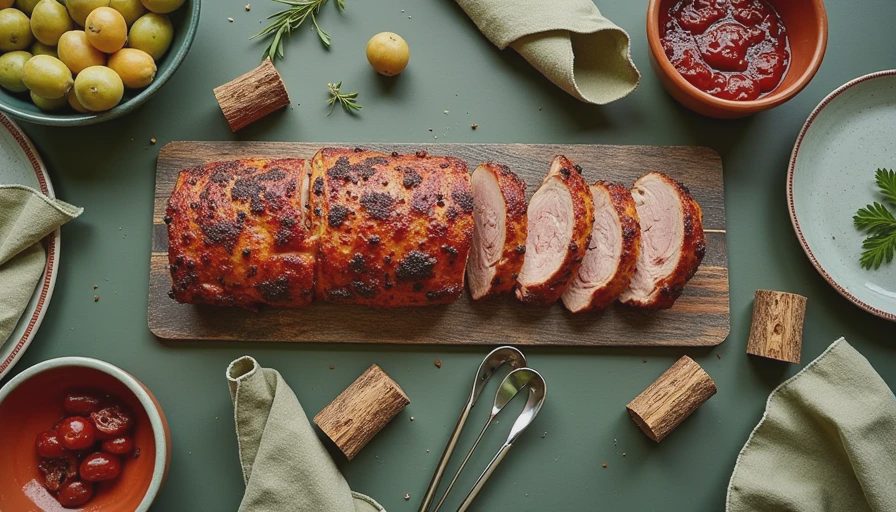
For smoked pork shoulder, preparation can stay simple. Trim thick, hard pieces of surface fat, leaving roughly a quarter inch where possible. Remove loose flaps that will burn before the main roast is done. Pat the meat dry, then apply a thin coat of yellow mustard or hot sauce as a binder if you like. You will not taste much of it after the cook. My everyday rub is kosher salt, coarse black pepper, paprika, brown sugar, garlic powder, and a little chili powder. Apply it generously on every side, then let the roast sit while the smoker comes to temperature.
Aim for a cooking chamber between 250 and 275 degrees Fahrenheit. That range gives you enough heat to finish in a reasonable window while still allowing fat and connective tissue to soften. A charcoal kettle, pellet grill, drum smoker, or offset can all produce excellent results. The meat does not know what logo is on the lid.
Build Smoke, Bark, and a Steady Fire
Wood choice is less complicated than barbecue forums make it sound. Apple and cherry bring a lighter, slightly sweet smoke, while hickory gives pork a stronger barbecue flavor. Oak is dependable and clean. Use dry wood and add small amounts rather than filling the cooker with logs until the food is covered in bitter smoke. Thin, almost invisible smoke is what you want. Billowing white smoke usually means the fire needs more airflow or cleaner fuel.
Place the shoulder with the thicker fat side toward the heat source. On an offset smoker, that often means the fat side faces the firebox. On a pellet grill, placement depends on the hot spot, so an inexpensive oven thermometer can teach you more than the built-in dial. Keep the lid closed as much as possible. Each peek costs heat, extends the cook, and rarely tells you anything useful.
Spritzing is optional. I sometimes use apple juice, diluted cider vinegar, or plain water after the bark has started to set, usually around the third or fourth hour. Do not turn spritzing into a job every twenty minutes. If the surface looks dry and cracked, a light spray helps. If the bark looks good, leave it alone.
Understand the Stall Without Panicking
The stall is the part of smoked pork shoulder that makes new pitmasters think something has gone wrong. As moisture evaporates from the surface, the roast can sit at a similar internal temperature for hours. You might see the thermometer hold around 150 to 170 degrees even though the cooker is steady. That is normal, not a sign that the meat is broken.
You have two sensible choices. Let the stall run uncovered and build a darker, drier bark, or wrap the roast once the color looks right. Pink butcher paper preserves more bark and still helps the cook move along. Foil speeds the process more aggressively but can soften the bark and collect more liquid. I generally wrap in paper when the surface is deep mahogany and the fat has started to look glossy.
Before wrapping, add no liquid or only a small splash of apple juice. A swimming pool of broth turns the bark soft. If dinner timing matters, wrapping can save an hour or two, but it cannot guarantee an exact finish time. Every roast has its own schedule.
Know When the Pork Is Actually Done
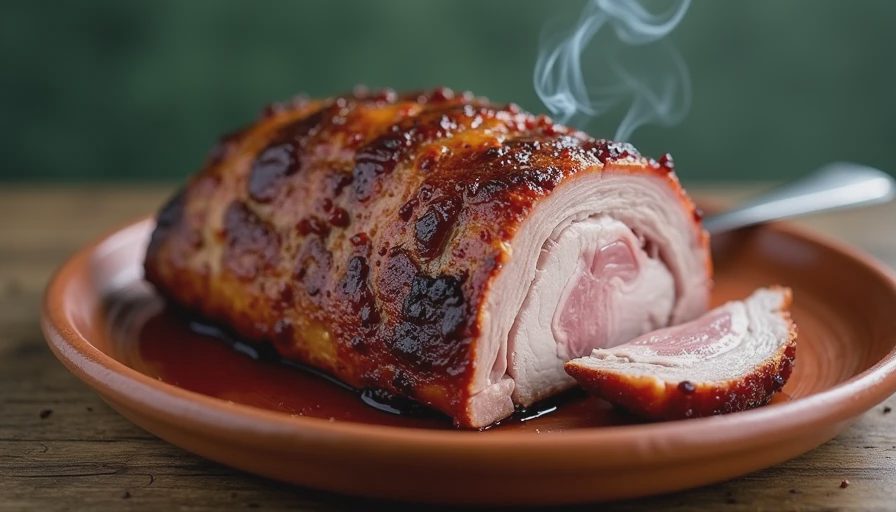
Temperature is a guide, not the final judge. Begin checking smoked pork shoulder around 195 degrees, especially in the thickest part away from the bone. Some roasts become tender at 198, while others need to reach 205 or 208. The right finish is when a probe slides into several spots with little resistance, similar to pushing into softened butter.
If the thermometer enters one area easily but fights another, keep cooking. The connective tissue has not finished breaking down. Do not pull the roast simply because it reached a number you saw in a recipe. I have served plenty of technically hot pork that still needed another forty minutes. Tenderness wins.
Once it is done, open the wrap for a few minutes so excess steam can escape. Then close it loosely and rest the roast in an empty cooler, turned-off oven, or insulated carrier. A one-hour rest is excellent; two hours is even better if you have planned ahead. Resting lets juices redistribute and gives the meat time to finish relaxing.
Plan the Cook Backward From Dinner
For a seven-to-nine-pound roast, I budget roughly ten to twelve hours from putting the meat on to serving, including the rest. That is a planning estimate, not a promise. Weather, bone structure, cooker temperature, and wrapping all change the timeline. Start earlier than you think you need to. Holding finished pork for two hours is easy; trying to make tough pork tender before hungry guests arrive is miserable.
If dinner is at six, putting the shoulder on around six in the morning gives you useful breathing room. If it finishes early, keep it wrapped and hold it in a cooler with clean towels. It should remain safely hot, and the bark will stay in good shape. If you are running late, raise the cooker toward 300 degrees or wrap in foil. Do not keep opening the lid to negotiate with the roast.
Slice a small portion from the money muscle if you want neat pieces, then pull the rest by hand or with gloved hands. Discard large pockets of waxy fat, but save the soft rendered bits. Mix some of the meat from the bark-heavy outside with the tender interior so every plate gets contrast.
Serve It and Learn From the Next Cook
Smoked pork shoulder does not need a complicated sauce. Serve it with a thin vinegar sauce, a sweet Kansas City-style sauce, or both on the side. That lets the bark and smoke stay in control. Warmed buns, crunchy slaw, pickles, and baked beans make a complete backyard plate without turning the kitchen into another production line.
Write down the details after dinner: roast weight, trim, rub, wood, cooker temperature, wrapping time, finish temperature, rest length, and weather. My spiral notebook has saved me from repeating more mistakes than any new gadget ever has. If the bark was bitter, improve the fire. If the meat dried out, investigate the finish and rest. If it was perfect, record what you did before memory turns it into a vague barbecue legend.
The best smoked pork shoulder comes from repeatable habits, not secret equipment. Buy a well-shaped roast, run a clean fire, wrap only when the bark says it is ready, and probe for tenderness instead of obeying the clock. Then give the meat the rest it deserves. Low and slow, and don't overthink it.


No letters yet — be the first to write.