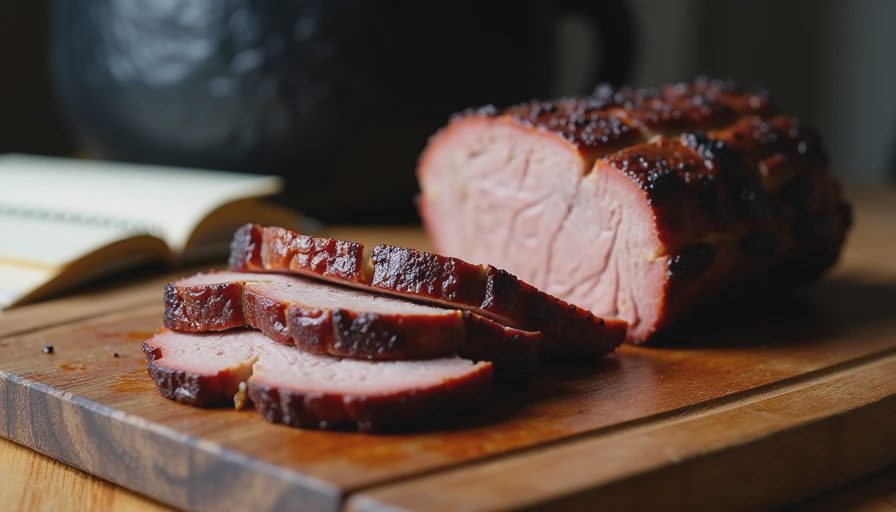
Low and slow, and don’t overthink it.
I overthought it anyway. And I still ruined the brisket.
My first KCBS contest was supposed to be the moment everything clicked. I had the notebook full of backyard cooks. I had the offset dialed in. I had the rub I trusted. What I did not have was the humility to admit I was still guessing at the parts that actually matter under pressure.
The brisket I turned in that day was dry, tight, and forgettable. The judges were kind enough to score it low without writing “what were you thinking” in the comments. I drove home replaying every decision and writing the autopsy before I even unpacked the cooker.
That failure taught me more than the next five decent cooks combined. Here is exactly what went wrong and the four changes that finally stopped the same mistakes from repeating.
The Cook That Looked Fine Until It Didn’t
I started with a 13-pound packer. Trimmed it the way the YouTube videos showed. Seasoned it the night before. Got the fire running clean at 250°F. The bark looked good. The stall came and went. I wrapped in butcher paper at 165°F like the popular method said. I rested it for an hour. I sliced it for turn-in and watched the pieces pull apart with almost no juice.
It was the kind of brisket that looks acceptable in photos and tastes like disappointment. Dry flat. Point that should have been rich but felt tight. Bark that was more crust than flavor. I knew it the second the knife hit the cutting board.
The notebook entry that night was short and honest: “First contest brisket. Dry. Tight. Overworked. Fix this.”
Mistake One: I Trimmed Like I Was Afraid of Fat
In the backyard I had always left a decent fat cap. At the contest I got nervous and trimmed it down hard because I thought the judges wanted “pretty.” All I did was remove the insurance policy that keeps the flat moist during a long cook.
What I changed: I went back to leaving at least a quarter-inch of fat on the flat and being more careful about the hard fat between the point and flat. Moisture matters more than magazine looks. The judges never complained once the meat started tasting better.
Mistake Two: I Wrapped Too Early and Too Tight
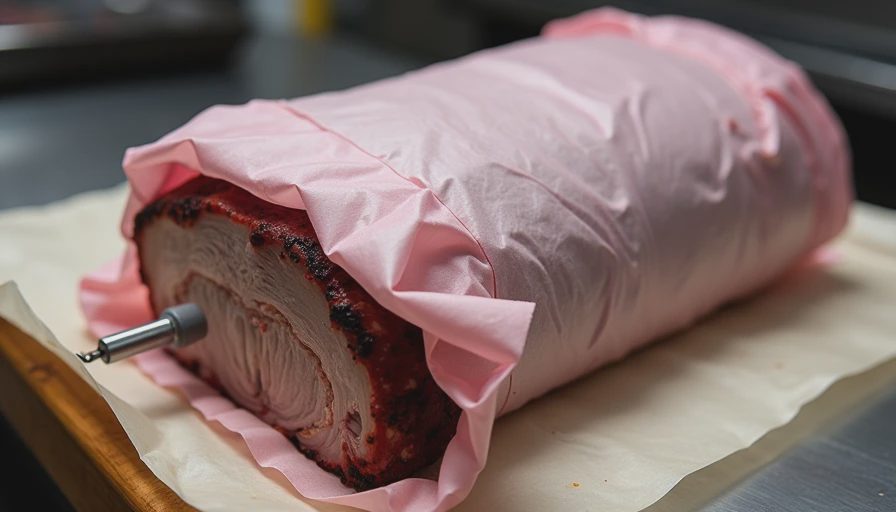
I treated 165°F like a magic number instead of a suggestion. The meat was still tight when I wrapped it. Then I wrapped it like I was trying to squeeze the life out of it. The result was steamed bark and a flat that never really relaxed.
What I changed: I started probing for feel instead of chasing a fixed temperature. When the probe slides in with almost no resistance—usually somewhere between 195 and 203°F depending on the day—I wrap. I also leave a little room in the paper so the meat can finish without being compressed. The difference in the final slice was immediate.
Mistake Three: I Rested It Like I Was in a Hurry
One hour in a cooler felt like enough because the clock said it was time to slice for turn-in. It was not enough. The muscle fibers had not finished relaxing. The juice that should have redistributed was still pooled in the wrong places.
What I changed: I built in a longer rest even when the contest schedule was tight. Two hours minimum, three when I can get it. Towel, cooler, no peeking. The meat that comes out of a proper rest is a different animal from the one that only got a short break.
Mistake Four: I Cooked for the Judges Instead of the Meat
This was the quiet killer. Every decision that day was filtered through “what will the judges want” instead of “what does this particular brisket need.” I lifted the lid more than usual. I adjusted the vents for imaginary perfection. I treated the cook like a performance instead of a conversation with the meat.
What I changed: I went back to the same simple rules I used in the backyard. Clean fire. Steady temperature. Watch the meat, not the clock. The scores improved once I stopped trying to impress people who were never going to taste the anxiety I had poured into the cooker.
What the Notebook Looks Like Now
The next contest brisket still was not perfect. But it was juicy. The one after that was better. By the third contest I was placing in the top half of the pack instead of the bottom. The difference was not new gear or a secret injection. It was refusing to repeat the same four mistakes.
I still write the failures down. The dry ones. The tight ones. The ones that looked good and tasted average. They are more useful than the wins. The wins just tell you that you got away with it. The failures tell you exactly where the process is still soft.
The Real Lesson from a Ruined Turn-In
Competition is a useful stress test. It will expose every shortcut and every nervous habit you still carry. My first brisket did that job perfectly. It forced me to stop copying methods and start paying attention to the actual meat in front of me.
I still cook for judges a few times a year. I still care about the scores. But the notebook gets the same honest entry whether the box comes back with a good number or a bad one. The goal is not to avoid failure. The goal is to make the next failure a new one instead of the same old dry brisket.
Low and slow, and don’t overthink it.
Especially after you have already overthought your way into a disaster once.


No letters yet — be the first to write.