Pork temperature is the number that tells you when barbecue is safe, but it is not always the number that tells you when it is tender. That distinction saves a lot of pork shoulders from being pulled too early. I learned it the hard way after serving a beautiful-looking roast that fought every fork at the table. The fix was simple: use temperature as a guide, then confirm tenderness with a probe.
For whole cuts of pork, the USDA safety target is 145°F followed by at least a three-minute rest. That applies to chops, tenderloin, loin roast, and similar cuts. Large barbecue cuts such as shoulder need to go much higher because collagen has to melt before the meat becomes pull-apart tender. Safe and finished are related, but they are not the same thing.
Pork temperature targets by cut
Pork chops and tenderloin are lean, so they can dry out quickly. Pull them from the grill or oven when the thickest part reaches about 140°F to 145°F, then let carryover cooking finish the job. A reliable instant-read thermometer should enter from the side and land in the center, away from bone or a fat pocket. A half-inch mistake can produce a very different reading.
Pork loin roast follows the same basic rule. Aim for 145°F, rest it for three to five minutes, and slice across the grain. Do not wait for the meat to reach the barbecue temperatures used for shoulder. Loin does not have enough connective tissue to benefit from that long, hot finish.
Ground pork is different because grinding can distribute surface bacteria throughout the meat. Cook ground pork to 160°F. That includes sausage patties, meatballs, and homemade breakfast sausage. If you are reheating cooked pork, bring it to 165°F. Those numbers are about food safety, not competition-style texture.
Pork shoulder is where backyard cooks get tripped up. It is technically safe long before it is ready for pulled pork. Most shoulders become tender somewhere around 195°F to 205°F, but I do not remove one just because the display says 203°F. When a probe slides into several parts of the roast with about the resistance of softened butter, it is done. That is the finish line.
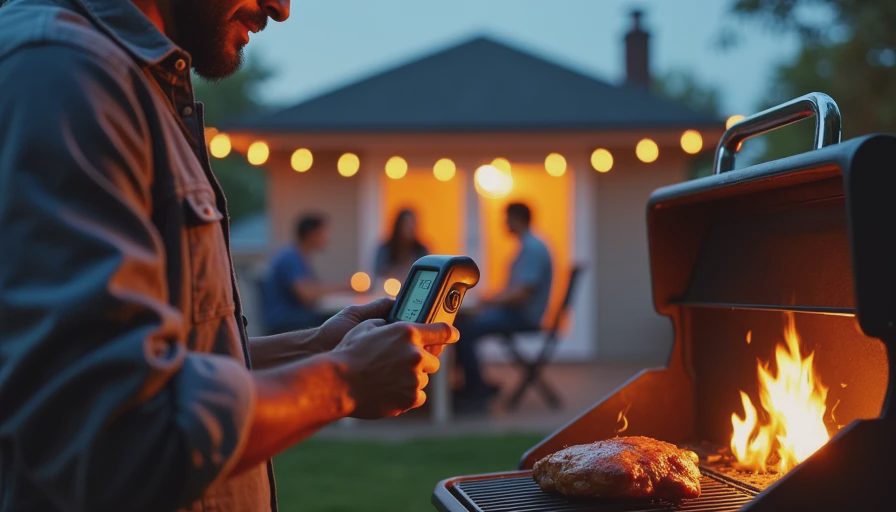
Why pork shoulder needs a higher finish
A pork butt contains substantial collagen, the tough connective tissue that gives the roast structure. During a long smoke, collagen gradually converts into gelatin. That gelatin is what gives pulled pork its moist, silky bite. A shoulder at 170°F can be perfectly safe yet still feel chewy because the conversion is not complete.
The stall usually happens around 150°F to 170°F. Evaporating moisture cools the meat while the smoker keeps adding heat, so the internal reading may sit still for hours. This is normal, not a sign that your smoker quit working. You can wait it out, or wrap the shoulder in butcher paper or foil once the bark looks right. Wrapping speeds the cook, though foil softens the bark more than paper.
I keep the smoker between 250°F and 275°F for shoulder because that range balances bark, smoke, and a reasonable dinner schedule. A ท? no. A typical eight-pound shoulder can take eight to twelve hours, but the clock is only planning information. Weather, bone structure, wrapping, and the individual roast all change the timing. Use the thermometer and the probe test instead of promising everyone that dinner will be ready at 6:00.
Ribs, chops, and the numbers that mislead cooks
Ribs do not have a single magic pork temperature. They are thin, surrounded by bones, and difficult to measure accurately with a probe. Instead, look for practical tenderness signs: the meat has pulled back slightly from the bone, the rack bends when lifted with tongs, and a toothpick slides between the bones with little resistance. Baby back ribs often finish in roughly four to six hours at 225°F to 250°F, while spare ribs can take longer. The exact schedule depends on thickness and cooking method.
For thick pork chops, insert the thermometer into the side of the chop so the tip reaches the center. Remove them around 140°F to 145°F, rest briefly, and serve while the juices settle. A brine can help a lean chop stay juicy, but it cannot rescue an overcooked one. I would rather serve a slightly pink, properly checked chop than a gray one cooked until every drop of moisture has left.
Pork tenderloin cooks quickly. At 400°F, many tenderloins take about 20 to 30 minutes, depending on size. Start checking early. The difference between juicy and dry can be only five minutes, especially on a hot grill. For tenderloin, pork temperature matters more than a recipe's suggested cooking time.
How to measure pork accurately
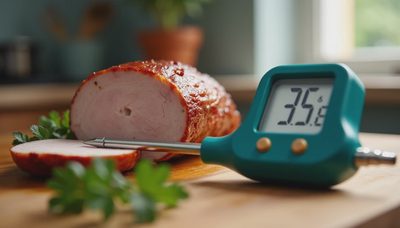
Use two thermometers when possible: a leave-in probe for tracking the roast and an instant-read thermometer for confirming several spots. Before cooking, check that the probe reads close to 32°F in ice water and 212°F in boiling water, remembering that altitude changes the boiling point. You do not need an expensive laboratory instrument; a dependable $15 to $40 instant-read model is enough for most backyard cooks.
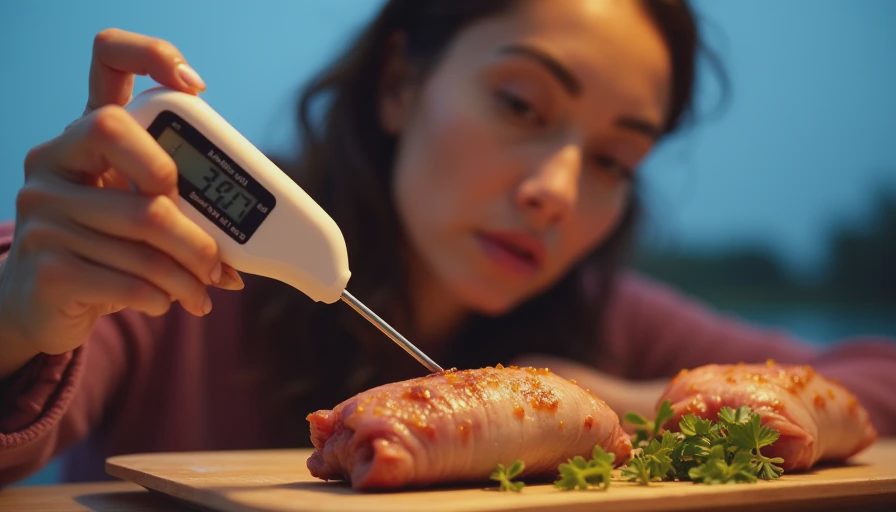
Measure in the thickest section and avoid touching bone. On a shoulder, check the pork in at least two or three places because one side can finish before the other. If the readings differ by several degrees, trust the cooler area and keep cooking. Clean the probe between checks if it touches raw meat, and wash it after the cook.
Do not confuse smoker temperature with pork temperature. A smoker set to 250°F does not mean the roast will reach 250°F. The first number is the air around the food; the second is the internal reading. Both matter, but they answer different questions.
Resting, slicing, and serving without losing moisture
Resting gives heat time to even out and lets juices redistribute. Small cuts usually need five to ten minutes. A large shoulder can rest for one to two hours in a dry cooler or an unheated oven, wrapped loosely so the bark does not steam into mush. Keep the meat above 140°F if you are holding it for service, and use a clean pan and utensils after cooking.
For pulled pork, rest first, then separate the meat while it is still warm. Remove large pockets of rendered fat and any connective tissue that did not soften. Mix bark through the shredded meat so every serving gets smoky edges. If the meat is firm when you start pulling, do not force it. Return the chunks to the cooker and check again in 30 to 45 minutes.
For chops and loin, slice across the grain with a sharp knife. Thin slices can make a properly cooked roast seem drier because they expose more surface area, so cut only what you plan to serve. Save leftovers in shallow containers and refrigerate them within two hours.
A simple pork temperature checklist
Start by identifying the cut. Chops, tenderloin, and loin stop near 145°F, ground pork reaches 160°F, and reheated pork reaches 165°F. Shoulder for pulled pork usually needs roughly 195°F to 205°F plus a tenderness check. Ribs rely more on texture than a precise reading.
Next, place the thermometer correctly, away from bone and fat. Begin checking early rather than waiting for the recipe's final minute. Rest the meat, then verify the texture before slicing or shredding. If the number says done but the probe says tough, the roast needs more time. If a lean cut has reached its target, take it off before it dries.
That is the whole system I use in my backyard notebook: temperature for safety, tenderness for barbecue, and a little patience for both. Low and slow, and don't overthink it. A basic grill, a $20 thermometer, and attention to the meat will beat a garage full of gear every time.

No letters yet — be the first to write.