If you have ever sliced into a pork shoulder and found a dry exterior, a tough center, or meat that somehow went from underdone to crumbly, you are not alone. Getting the pork internal temp right is the difference between barbecue people remember and meat that needs a gallon of sauce. The good news is that you do not need a $3,000 smoker or a science degree. You need a reliable thermometer, a little patience, and a clear idea of what temperature you are chasing.
Safe temperature versus tender temperature
For whole cuts of pork, the USDA minimum safe temperature is 145°F, followed by a three-minute rest. That guideline works beautifully for pork chops, tenderloin, and loin roast. At 145°F, the center can still be slightly pink, and the meat should be juicy rather than chalky.
Barbecue is a different job. Pork shoulder and pork butt are safe long before they become tender enough to pull. Those tough muscles contain collagen, and collagen needs extended time at higher heat to dissolve into silky gelatin. For pulled pork, I usually start checking around 195°F and expect the finish to land somewhere between 195°F and 205°F. The real test is tenderness, not a magic number on the display.
That distinction matters. A pork loin pushed to 205°F will usually be dry, while a pork shoulder stopped at 145°F will be safe but chewy. Match the pork internal temp to the cut and the result you want.
Target temperatures by cut
Pork shoulder or Boston butt: Cook until the probe slides into several parts of the meat with little resistance, usually 195°F to 205°F. Rest it before pulling.
Pork ribs: Ribs do not have a single dependable finished temperature because the bones, thin meat, and probe placement create misleading readings. Most racks become tender after several hours around 225°F to 275°F, when the meat bends easily and a toothpick slips between the bones.
Pork loin: Pull it at 140°F to 145°F, then rest for about five to ten minutes. Carryover cooking can raise the center a few degrees.
Pork tenderloin: Aim for 140°F to 145°F. It cooks quickly, so stay close once it reaches 130°F.
Pork chops: Thick chops are best pulled around 140°F to 145°F. Thin chops can overshoot in a hurry, so use an instant-read thermometer rather than relying on color.
Ground pork: Cook ground pork to 160°F. Grinding spreads bacteria throughout the meat, so the target is higher than the minimum for an intact pork chop.
How to measure pork internal temp accurately
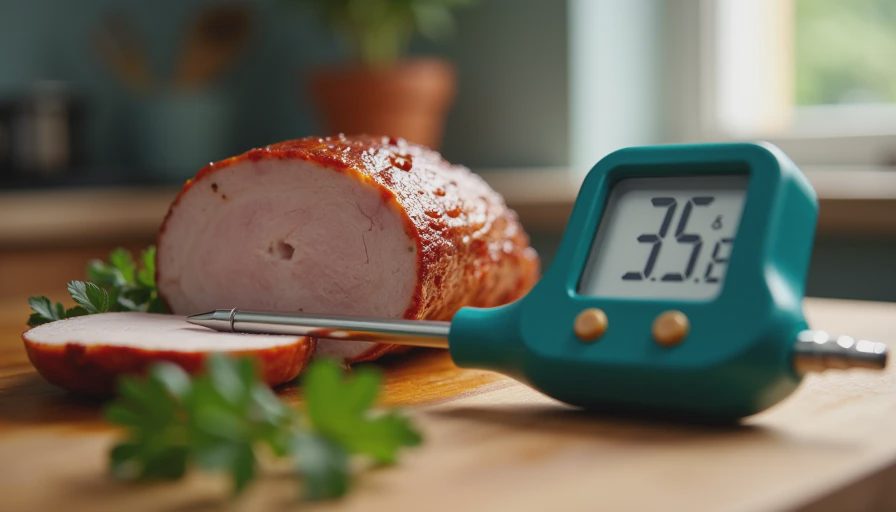
A thermometer only helps if the probe is in the right place. For a shoulder, insert the probe into the thickest section and avoid the bone, large pockets of fat, and the shallow bark. Bone can conduct heat differently from the surrounding meat and give you a reading that does not represent the center.
With a loin or tenderloin, insert the probe from the side until the tip reaches the middle. This is more accurate than poking straight down from the top, especially on a narrow cut. Check two or three spots before deciding the meat is finished. If one area reads 145°F and another reads 138°F, give it more time and recheck.
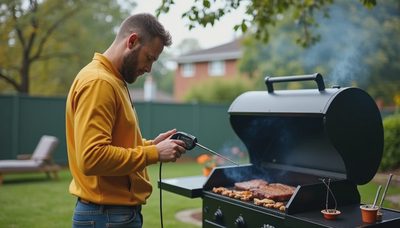
I keep a basic instant-read thermometer in the kitchen and a leave-in probe on the smoker. You do not need a premium wireless system. A $20 to $40 instant-read model, such as a basic ThermoPro, can do the important work if it is clean and calibrated. Test it in ice water occasionally; it should read close to 32°F.
Do not measure directly beside the hot grate or in a thin flap of meat. Those readings can make you pull early, and early is how a good Saturday smoke turns into a long, chewy dinner.
Why pork shoulder stalls
Many backyard cooks panic when the pork internal temp sits near 150°F to 170°F for what feels like forever. That is the stall. Moisture moving through the surface evaporates and cools the meat, much like sweat cools your skin. The smoker may hold a steady 250°F while the meat barely climbs.
You have two reasonable choices. Let the shoulder ride unwrapped for stronger bark and more smoke flavor, or wrap it in foil or unwaxed butcher paper once the bark looks right. Foil speeds the cook the most and traps more moisture. Paper breathes a little and helps preserve the bark. Neither option is cheating; they are simply tools for managing time and texture.
If dinner is at 6 p.m., do not plan to hit the finish temperature at 5:45. A large shoulder can need one to two hours of resting, and holding it wrapped in a cooler with towels can keep it hot for several hours. Build in a generous buffer instead of rushing the final stage.
Resting and pulling the meat
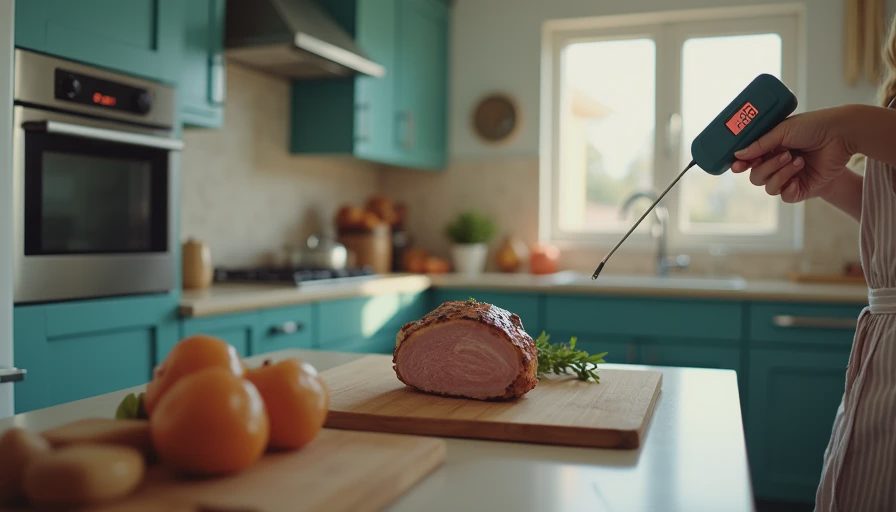
The pork internal temp should not be the only number you watch after the smoker. A shoulder needs time to rest so its juices redistribute and the meat cools enough to handle. I usually rest a wrapped shoulder for at least 45 minutes, though an hour is even better for a large cut.
When you unwrap it, save the liquid in the foil if there is any. Pour it into a cup, let the fat rise, and mix a little of the flavorful liquid back into the pulled pork. Taste before adding sauce. Properly cooked pork often needs less sauce than people expect.
Pull the meat by hand with heat-resistant gloves or use two large forks. Remove obvious pockets of soft fat, but do not strip away every bit of rendered richness. The best bites contain a mix of bark, lean meat, and small pieces of gelatin-rich fat.
A simple pork temperature checklist
Start with a cold, evenly trimmed cut and place it on a stable smoker running between 225°F and 275°F. Keep the lid closed as much as possible; every peek costs heat and extends the cook. Begin checking a pork shoulder when it reaches about 195°F, then probe several locations every 30 to 45 minutes.
For chops, loin, and tenderloin, cook by temperature rather than time. A thick chop may take 20 minutes while a thinner one takes half that, even at the same grill setting. Pull the meat just before your target when carryover cooking is likely, and always allow a short rest.
Write down the cut, weight, smoker temperature, weather, and final result. I keep those notes in a spiral notebook, and they have saved me from repeating plenty of bad decisions. One shoulder that needed nine hours in cool, windy weather might need only seven on a calm summer afternoon.
The best approach is steady heat, an accurate thermometer, and a willingness to trust tenderness over the clock. Use the right pork internal temp for the cut, give tough barbecue time to soften, and let finished meat rest before slicing. Low and slow, and do not overthink it.

No letters yet — be the first to write.