A good bbq sauce recipe should make dinner easier, not send you hunting through three grocery stores for liquid smoke and specialty vinegar. This one uses pantry staples, takes about 20 minutes, and lands in the sweet, tangy, smoky neighborhood I like on ribs, chicken, burgers, and pulled pork. It is Kansas City inspired without pretending every bottle needs to taste like candy.
I have burned enough sauce to know the main rule: do not put it on too early. Sugar scorches long before meat is ready. Build your sauce on the stove, let the smoke do its work, then brush it on during the final stretch. Low and slow, and do not overthink it.
The bbq sauce recipe
You will need 1 cup ketchup, 1/2 cup apple cider vinegar, 1/3 cup packed brown sugar, 1/4 cup molasses, 2 tablespoons yellow mustard, 1 tablespoon Worcestershire sauce, 1 teaspoon smoked paprika, 1 teaspoon kosher salt, 1/2 teaspoon black pepper, 1/2 teaspoon garlic powder, 1/2 teaspoon onion powder, and a pinch of cayenne. For a deeper flavor, add 1 tablespoon of brewed coffee or a teaspoon of your favorite chili powder.
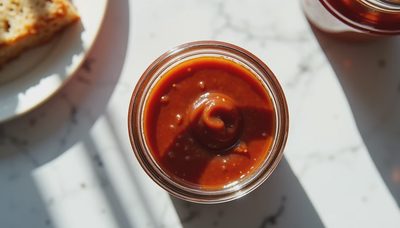
Whisk everything together in a medium saucepan while the ingredients are still cold. That small step prevents the brown sugar and molasses from settling into a sticky lump. Bring the mixture to a gentle simmer over medium heat, then reduce the burner to low. Cook uncovered for 15 to 20 minutes, stirring every few minutes, until the sauce coats the back of a spoon.
The bbq sauce recipe should look loose while it is hot. It thickens as it cools, and it tightens again when it hits warm meat. If it becomes too thick in the pan, whisk in water one tablespoon at a time. If it tastes sharp, give it another five minutes of simmering before adding more sugar. Vinegar softens with heat, while sweetness becomes more noticeable as the sauce cools.

Let the sauce cool for 10 minutes, then taste it with a clean spoon. Add vinegar for brightness, brown sugar for a rounder finish, mustard for bite, or cayenne for heat. Do not judge it straight from the spoon alone; sauce tastes different with smoky pork, salty rub, and rendered fat underneath it. Store leftovers in a covered jar in the refrigerator for about a week.
How to adjust the flavor
This bbq sauce recipe is a starting point, not a law carved into a cutting board. Kansas City style usually balances sweet, tangy, savory, and smoky notes, but your table gets the final vote. For a sweeter sauce, add 2 tablespoons of honey or another tablespoon of brown sugar. For a sharper sauce that works well on pulled pork, increase the apple cider vinegar by 1 tablespoon.
If the sauce tastes flat, it probably needs salt or acid rather than more sugar. Add salt in small pinches and vinegar by the teaspoon. If it tastes bitter, the smoked paprika may be overpowering, or the sauce may have caught on the bottom of the pan. Transfer it to a clean saucepan without scraping the scorched layer. I learned that one after serving a batch that tasted like a campfire ashtray.
You can also replace ketchup with tomato sauce plus 2 tablespoons of tomato paste, but the finished sauce will be less glossy and slightly less sweet. Maple syrup can stand in for molasses, although it creates a lighter flavor. Chipotle powder adds heat and smoke; hot sauce adds a cleaner, sharper burn. Make one change at a time so you know what improved the batch.
When to use sauce on the smoker
For pork ribs, cook the ribs until the surface is dark and the meat has started to pull back from the bones. Brush on a thin layer of bbq sauce recipe sauce during the final 20 to 30 minutes at around 250 to 275 degrees Fahrenheit. Add another light coat near the end if you want a glossy finish. Heavy layers can turn gummy instead of sticky.
For chicken, sauce during the last 10 to 15 minutes, especially if you are cooking thighs or drumsticks over indirect heat. Move the chicken over direct heat only long enough to set the glaze, and watch closely. The brown sugar can go from shiny to black in less time than it takes to answer a text.
Pulled pork is more forgiving. Toss a little sauce into the shredded meat, serve more at the table, and keep some unsauced pork for people who prefer a heavier smoke flavor. On burgers or grilled sausages, brush the sauce on during the final minute and warm extra sauce separately for dipping.

Making the sauce fit your equipment
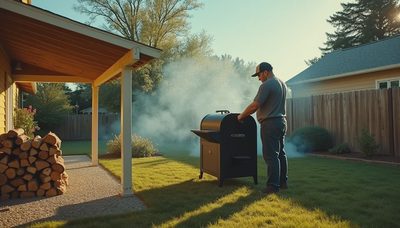
You do not need an expensive smoker for this bbq sauce recipe to work. A Weber kettle, pellet grill, offset smoker, or even a gas grill with a cool zone can produce excellent results. The important part is controlling heat and giving the sauce enough time to set without burning.
On a pellet grill, the smoke flavor may be gentler, so smoked paprika or a small amount of chipotle powder can help. On an offset smoker, strong wood smoke already brings plenty of character; keep the sauce balanced and avoid piling on extra liquid smoke. With a kettle grill, place the meat away from the coals and use the lid to hold steady indirect heat.
If your grill runs hot, apply the final glaze closer to serving. If it runs cool, give the sauce a few extra minutes to become tacky. A digital probe helps with meat temperature, but your eyes and fingertips also matter. The sauce should look shiny, cling to the meat, and feel set rather than wet when you lightly touch the surface.
A simple serving plan
For a backyard meal, make the sauce the day before if you can. Overnight rest gives the vinegar, spices, molasses, and tomato time to settle together. Warm it gently before serving and thin it with a splash of water if the refrigerator made it too firm.
This bbq sauce recipe makes roughly 2 cups, enough for a rack or two of ribs with extra for the table. If you are feeding a crowd, double the batch in a larger saucepan rather than cooking it twice. Label one jar mild and add cayenne only to the portion meant for heat-lovers. That keeps dinner friendly for kids while still giving adults room to turn things up.
Start with a thin coat, let it set, and add more only when the meat needs it. That is how you get barbecue that tastes like meat first and sauce second. Grab the ketchup, light the pit, and give this bbq sauce recipe a fair shot. Your backyard does not need restaurant gear to make a plate people remember.

No letters yet — be the first to write.