Homemade bbq sauce is one of the easiest ways to make backyard barbecue taste like you planned the whole meal. You do not need a shelf full of specialty ingredients or a $3,000 smoker. A saucepan, a whisk, and about 25 minutes will get you a sauce with sweet brown sugar, bright vinegar, tomato depth, and enough heat to keep things interesting. I have made plenty of barbecue sauce for restaurant guests, competition judges, and my own hungry kids. This version is built for regular weeknight cooks.
Why homemade bbq sauce beats the bottle
Store-bought sauce is convenient, and I keep a bottle of it in the refrigerator. No shame there. The problem is that many bottled sauces arrive with the flavor already decided. You might get a sauce that is too sweet for ribs, too thin for pulled pork, or so smoky that it hides the meat. Homemade bbq sauce lets you adjust the balance while it is still warm.
Kansas City-style sauce usually has a tomato base, noticeable sweetness, a little vinegar tang, and moderate spice. That does not mean every batch needs to taste like candy. The goal is balance. Brown sugar rounds out sharp vinegar, ketchup brings tomato flavor and body, mustard adds a savory edge, and Worcestershire sauce contributes depth. A small amount of chili powder or cayenne gives the finish some life without turning dinner into a dare.
I learned this the hard way after making a batch that tasted fantastic from the spoon but overwhelmed a rack of ribs. I had added too much liquid smoke and cayenne. The sauce was loud, but the pork disappeared. With barbecue, the sauce should support the smoke and seasoning, not win an argument with them.
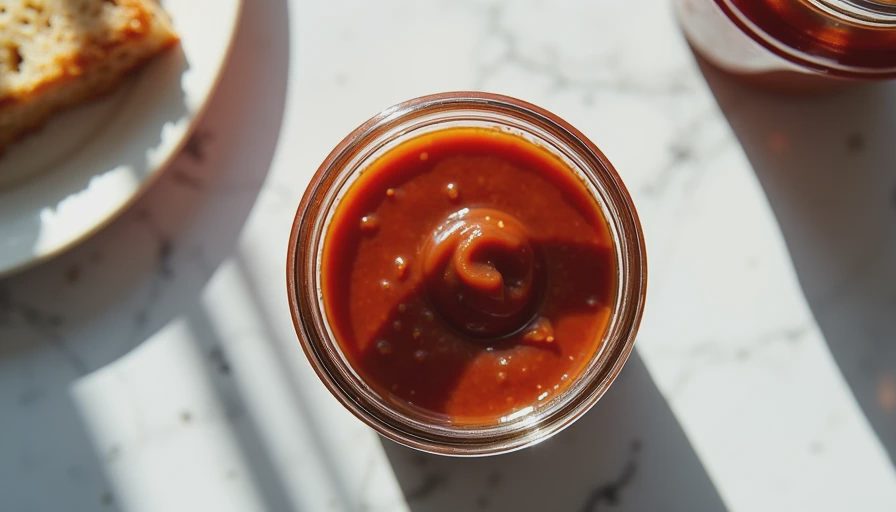
What you need for the sauce
For a batch of homemade bbq sauce that makes roughly 2 cups, start with 1 cup ketchup, one-half cup packed brown sugar, one-quarter cup apple cider vinegar, 2 tablespoons yellow mustard, 2 tablespoons Worcestershire sauce, 1 tablespoon molasses, 1 teaspoon smoked paprika, 1 teaspoon chili powder, one-half teaspoon garlic powder, one-half teaspoon onion powder, and one-quarter teaspoon black pepper.
Add cayenne a pinch at a time if you like heat. I usually start with one-eighth teaspoon because it is easy to add more and impossible to remove. If you do not have molasses, use an extra tablespoon of brown sugar, though molasses gives the sauce a darker color and a richer finish. If your ketchup is already very sweet, reduce the brown sugar by 2 tablespoons.
A few substitutions work well. Apple juice can replace up to 2 tablespoons of the vinegar for a softer, fruitier sauce. Dijon mustard can stand in for yellow mustard and will make the flavor sharper. Do not worry about using a premium brand for every ingredient. Heinz ketchup, French's mustard, ordinary Worcestershire sauce, and grocery-store spices will produce a very good result.
How to make homemade bbq sauce
Put every ingredient into a medium saucepan before turning on the heat. Whisk until the brown sugar is mostly dissolved and the spices are evenly distributed. Starting cold helps prevent dry spices from clumping against the bottom of the pan.
Bring the mixture to a gentle simmer over medium heat, then reduce the burner to low. You want a few lazy bubbles, not an aggressive boil. Cook uncovered for 15 to 20 minutes, stirring every few minutes. The sauce will thicken as water evaporates, and the vinegar will mellow. If it spits, lower the heat; a thick sauce can leave a surprisingly stubborn mark on the stove.
Taste with a clean spoon near the end. If it tastes flat, add a small pinch of salt. If it is too sweet, add 1 teaspoon vinegar. If the vinegar stands out, simmer it for another five minutes or add a teaspoon of brown sugar. Let the sauce cool for 10 minutes before judging the final texture because it thickens noticeably as it rests.
For a smooth finish, pour the sauce through a fine strainer. I usually skip that step at home because the tiny spice flecks look right on ribs. Let the finished sauce cool completely before transferring it to a clean jar or covered container.
Matching the sauce to different barbecue
With ribs, brush on homemade bbq sauce during the final 15 to 20 minutes of cooking. Earlier application can cause the sugar to darken or burn before the meat is tender. Add a thin coat, close the lid, and let it set. A second light coat gives you a glossy surface without creating a sticky brick.
For pulled pork, serve the sauce on the side and mix it into individual portions. Pork shoulder has plenty of rendered fat and smoky flavor, so a heavy pour can bury the bark. Start with 1 tablespoon per serving, toss it through the meat, and add more at the table.
Chicken benefits from a slightly thinner coating. If the sauce feels too thick for drumsticks or thighs, stir in 1 tablespoon of water or apple juice. Apply it during the last 10 minutes over indirect heat. Keep an eye on the grill because the sugar can scorch quickly over direct flames.
This recipe also works on burgers, meatloaf, smoked sausages, and roasted vegetables. I have used it as a dipping sauce for fries when the refrigerator was nearly empty. That is not competition barbecue, but it is good Tuesday-night food.
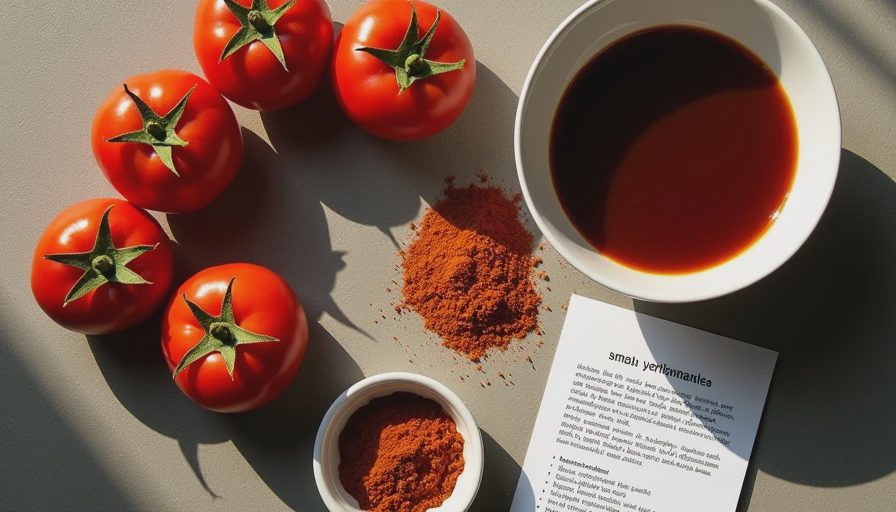
Fixing common sauce problems
If your sauce is too thin, simmer it uncovered for another 5 to 10 minutes. Do not immediately add flour or cornstarch; those thickeners can make the texture cloudy and dull. If the sauce is too thick, whisk in water one tablespoon at a time while it is warm.
A sauce that tastes too acidic usually needs either more cooking time or a little sweetness. Add 1 teaspoon brown sugar, simmer for three minutes, and taste again. When the flavor is too sweet, vinegar is the cleaner correction. Add it gradually rather than dumping in a large splash.
If the sauce tastes bitter, check the heat and the spices. Smoked paprika and chili powder can become harsh when scorched. There is no reliable rescue for a badly burned batch, so move the saucepan to a clean pan and leave any dark residue behind. I have tried scraping burned sauce off the bottom to save it. The result tasted like an ashtray with ketchup in it.
For a milder family batch, leave out the cayenne and use sweet paprika. You can always stir hot sauce into an individual serving. This keeps the kids' chicken manageable while adults still get a little kick.
Storing and using the leftovers
Homemade bbq sauce should be cooled promptly, covered, and refrigerated. Use a clean spoon each time, and plan to use the batch within about one to two weeks for the best quality. If you notice mold, an unusual odor, or bubbling that was not there before, discard it rather than trying to boil it back into shape.
The sauce can be frozen in small portions for up to a few months. Ice cube trays work well for single-serving amounts; once frozen, move the cubes to a labeled freezer bag. Thaw overnight in the refrigerator or warm gently in a saucepan. Stir before serving because some separation is normal.
The best part of making your own sauce is that the recipe can become yours. Write down the changes in your cooking notebook: more vinegar for pulled pork, less sugar for chicken, extra paprika for a darker finish. Low and slow, and do not overthink it. Start with this balanced batch, taste as you go, and put a sauce on the table that makes the meat better instead of hiding it.


No letters yet — be the first to write.