If you are staring at a brisket, chuck roast, or plate ribs and wondering about the best wood for smoking beef, you are in the right place. I have cooked beef on an offset, a pellet grill, a kettle, and one bargain smoker that leaked like a screen door. The wood mattered, but not as much as clean fire, steady heat, and knowing when to stop adding smoke.
For most backyard cooks, oak is the safest starting point. It burns steadily, gives beef a rich but balanced flavor, and is forgiving when your fire management is less than perfect. Hickory brings more punch, pecan adds a mellow nuttiness, and fruit woods create a lighter finish. Low and slow, and don't overthink it.
Oak is the dependable all-around choice
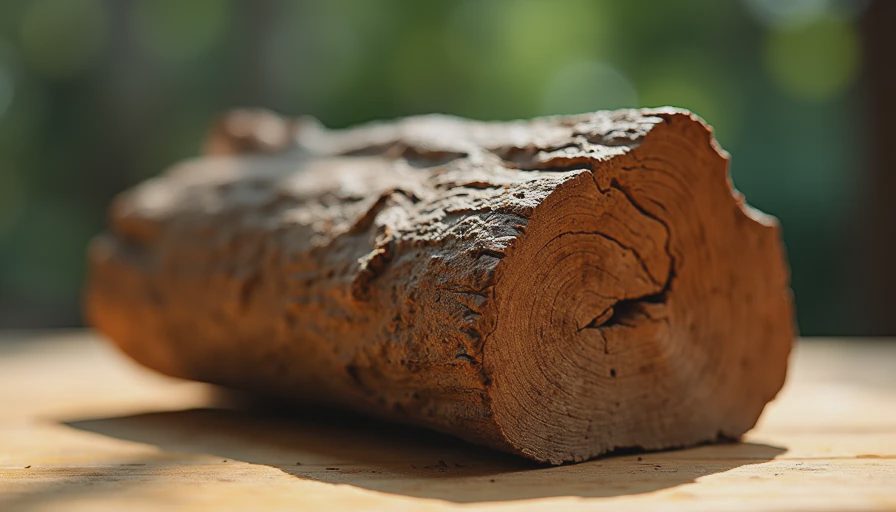
Oak is my default recommendation for brisket because it has enough character to stand up to a large cut without burying the beef. Post oak is especially popular for long cooks, but white oak and red oak can also work when the wood is properly seasoned and clean. The smoke should smell like a campfire after the flames settle, not like a burning pallet.
A full brisket can spend 10 to 14 hours in the cooker, so a strong wood becomes stronger over time. Oak keeps the flavor in the background while letting the beef, salt, pepper, and bark do their jobs. If you are using a pellet grill, oak pellets are a practical choice because they provide a neutral base for nearly any beef recipe.
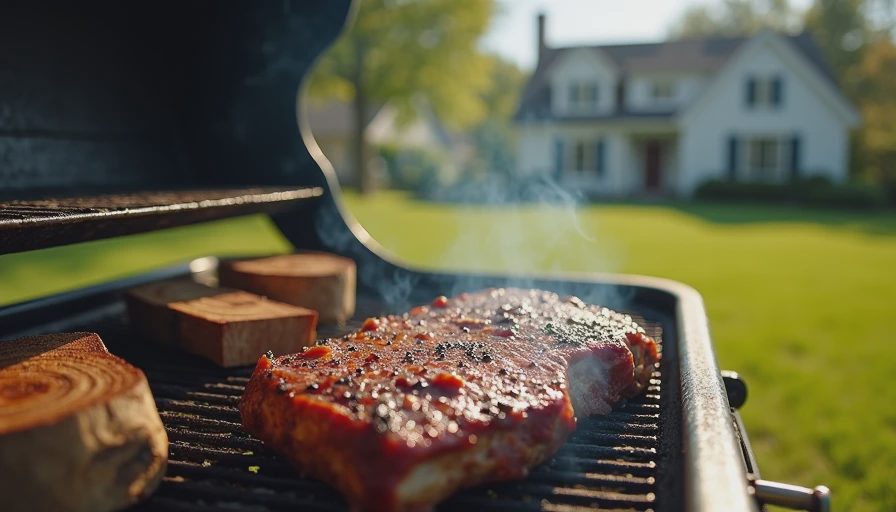
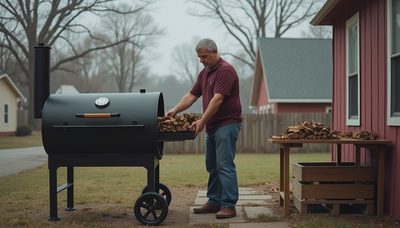
I use oak splits roughly the size of my forearm in an offset smoker. Smaller pieces can burn too quickly and cause temperature swings. In a kettle or drum smoker, a few fist-sized chunks mixed into charcoal are plenty. You do not need a mountain of wood to get good barbecue.
Hickory, pecan, and fruit wood explained
Hickory is the choice when you want barbecue to announce itself. It works beautifully with beef ribs, burgers cooked in a smoker, chuck roast, and brisket. The risk is overdoing it. Too much hickory can turn the outside bitter, especially if the fire is smoldering or the cook is done before the smoke has had time to clear.
Pecan sits between oak and fruit wood. It has a slightly sweet, nutty character that works well with brisket and tri-tip. I like pecan when cooking for family members who enjoy smoke but do not want the meat tasting like a campfire. It is also useful as a blend with oak: two oak chunks for every one pecan chunk is a sensible place to start.
Apple and cherry are lighter options. Apple gives beef a gentle sweetness, while cherry can deepen the color of the bark. I use fruit wood more often for shorter cooks or as part of a blend rather than as the only fuel for a long brisket. Beef has a strong flavor, but delicate smoke can still add a nice edge during the first few hours.
Mesquite deserves a warning. It burns hot and delivers intense smoke. A small amount can be excellent for thin steaks or a quick cook, but a full brisket smoked over mesquite can become sharp and harsh. If mesquite is all you have, mix it with oak and keep the fire clean.
Matching wood to the cut
The best wood for smoking beef depends partly on the cut and the cooking time. Brisket benefits from oak, hickory, or a combination of the two because those woods can keep up with its deep beef flavor. Beef ribs can handle hickory, mesquite in moderation, or a strong oak fire. Chuck roast is flexible; oak, pecan, and hickory all make sense.
Tri-tip and sirloin are leaner and usually cook faster, so I prefer oak, pecan, apple, or cherry. A short smoke does not need an aggressive wood. For smoked meatloaf, burger patties, or steak bites, use a light hand. These foods can absorb plenty of smoke in 60 to 90 minutes, particularly on a small cooker.
Think about surface area, too. A whole brisket has a thick center and a large exterior, while sliced chuck or meatballs expose much more surface to smoke. The smaller the pieces, the less wood you need. This simple rule prevents the bitter flavor that sends many first-time smokers back to the oven.
How much wood should you use?
Start with less than your instincts suggest. In an offset smoker, one properly sized split every 30 to 60 minutes is a reasonable starting point, but your cooker, weather, and fire all affect that rhythm. You want a thin, almost transparent stream of smoke. Thick white smoke usually means incomplete combustion, not extra flavor.
For a charcoal smoker, begin with two or three chunks for a long cook. Add another chunk only if the smoke has faded and the beef still has a long way to go. Most smoke flavor develops early, while the surface is cool and damp. Once the bark is set, adding wood repeatedly can make the exterior taste medicinal.
On a pellet grill, skip the urge to add chunks unless the manufacturer allows it. Choose a reputable pellet blend and use a smoke setting during the early portion of the cook. A smoke tube can add intensity, but it is easy to overdo, especially with a small brisket or roast.
Buying and storing smoking wood
Buy wood sold specifically for cooking, or source it from someone who understands barbecue. Never burn painted lumber, treated boards, construction scraps, plywood, or mystery wood. Those materials can contain chemicals, glue, or coatings that do not belong near food.
The wood should be dry and seasoned, with cracks on the ends and no active mold. Freshly cut green wood contains too much moisture and tends to smolder. That creates bitter smoke and makes temperature control harder. Store splits off the ground under a simple roof or breathable cover. Do not seal damp wood inside a plastic container and expect it to improve.
Avoid bark-heavy pieces when possible. A little bark is normal, but thick bark can produce dirty smoke, especially when the cooker is starved for oxygen. I inspect every split before it goes into the firebox. If it smells chemical, looks treated, or is covered in suspicious fungus, it goes in the discard pile.
My practical recommendation for your next cook
If you are buying one bag or one bundle, choose oak. It is the best wood for smoking beef for a first brisket because it is steady, versatile, and difficult to overpower. Add hickory when you want a heavier barbecue profile, pecan for a softer nutty note, or apple and cherry when you want a lighter touch.
For a 12-pound brisket, I would run clean oak smoke for the first several hours, then let the meat finish with heat and airflow rather than constantly adding wood. Wrap the brisket when the bark and color look right, not just because a clock says it is time. Cook until it probes tender, rest it for at least an hour, and slice against the grain.
Keep notes in a notebook: wood type, weather, cooker temperature, and what the bark looked like before wrapping. That record will teach you more than buying five new rubs. The best wood for smoking beef is the one that gives you clean smoke and leaves room for the meat to taste like beef. Start with oak, make one change at a time, and let the cooker do its work.

No letters yet — be the first to write.