If you are searching for real gear for smokers, you probably do not need another 40-minute video about a $3,000 cooker. You need a thermometer that tells the truth, gloves that do not melt, and a setup that helps you cook dinner without turning the backyard into a hardware store. I have burned briskets with expensive equipment and cooked excellent ribs on a bargain kettle. The lesson is simple: useful tools beat impressive tools.
I spent 12 years running restaurant kitchens, where every piece of equipment had to earn its space. That is the standard I use at home. A tool should solve a specific problem, survive heat and grease, and be easy to clean. Low and slow, and do not overthink it.
Start with temperature control
Your smoker does not need to be fancy, but you need to know what is happening inside it. The built-in lid thermometer is often mounted high above the cooking grate, while your brisket sits several inches lower in a very different temperature zone. A reliable grate-level thermometer is one of the first pieces of real gear for smokers worth buying.
A ThermoWorks Smoke X4, ThermoPro TP930, or similar wireless unit gives you an ambient probe for the grate and meat probes for the food. You do not need four probes on day one. One grate probe and one food probe will handle most cooks. Expect to spend roughly $35 to $200, depending on wireless range and app features.
For quick checks, an instant-read thermometer such as a Thermapen ONE is excellent, though a less expensive Lavatools Javelin can do the job for many home cooks. Check chicken in the thickest part, avoid touching bone, and remember that brisket tenderness matters more than a magic final number. Temperature gets you close; a probe sliding into the flat like softened butter tells you when to pull it.
Protect your hands and your patio
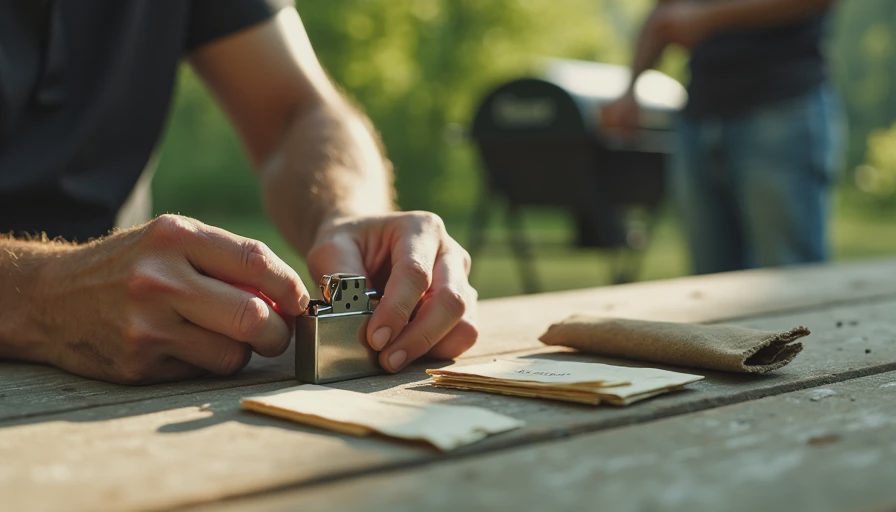
Heat-resistant gloves are not glamorous, but they prevent the kind of mistake that ruins a Saturday. Look for insulated, washable gloves with a long cuff. Silicone-coated cotton gloves are handy for handling hot grates and pans, while thicker Nomex or aramid gloves offer better protection around fire and metal. Keep a pair dedicated to barbecue so they do not carry yesterday's raw chicken mess into today's finished ribs.
A sturdy aluminum sheet pan is another unsung hero. Use it to carry brisket from the smoker, catch drips under a rack of ribs, or organize tongs, brushes, and foil before the cook starts. Disposable foil pans work for wrapping and resting, but a reusable half-sheet pan usually pays for itself quickly.
Add a charcoal chimney if you use briquettes or lump charcoal. Weber's Rapidfire chimney remains a dependable choice, and it eliminates lighter-fluid flavor. A small metal ash tool, a fireproof surface, and a bucket for fully cooled ash round out a safer station. Never dump warm ash into a plastic trash can, even if the fire looks finished.
The tools that earn their drawer space
A long pair of spring-loaded tongs, a wide spatula, and a sharp boning or slicing knife cover most backyard work. I like tongs with scalloped ends that grip without shredding meat. A wide spatula helps with burgers, fish, and delicate burnt ends. For brisket, a granton-edge slicing knife in the 10- to 12-inch range makes thin, even slices easier.
Real gear for smokers also includes a sturdy cutting board with room for a full rack of ribs. Small boards are fine for onions, but they become a slippery problem when brisket juice starts running. Put a damp kitchen towel underneath the board to stop it from skating across the counter.
You will also use more disposable gloves than expected. Nitrile gloves over cotton liners let you handle hot pulled pork without coating your hands in grease. Choose a thicker food-safe nitrile, not the paper-thin pair meant for painting. Keep clean gloves separate from the ones used to handle raw meat.
A practical shopping order
Buy equipment in this order: temperature probe, long tongs, heat gloves, sharp slicing knife, cutting board, chimney starter, then a spray bottle or small basting brush. That list gives you control, safety, and versatility before you spend money on accessories. If your current smoker leaks smoke, fix the door seal before buying another gadget.
Smoke wood, fuel, and the little things
Wood choice matters, but the best wood is the dry, clean wood you can use consistently. Oak is a dependable all-purpose option for beef and pork. Hickory brings a stronger flavor that works well with ribs, sausage, and pork shoulder. Apple or cherry adds a gentler smoke profile and attractive color. Avoid construction scraps, painted wood, and mystery branches from the yard.
Chunks generally work better than chips in a charcoal smoker because they burn longer. Two or three fist-sized chunks can be enough for a cook; burying the meat in smoke for six hours usually creates bitterness, not championship flavor. In a pellet grill, use quality food-grade pellets and store the bag in a dry container. Damp pellets swell, crumble, and can cause feed problems.
A small metal table or rolling cart may be a better upgrade than a branded side shelf. You need a place for a tray, thermometer, seasonings, and a clean cutting board. Keep raw and cooked tools on different sides of the station whenever possible.
What I would skip at first
The barbecue aisle is full of tempting gadgets: rib racks, magnetic hooks, electric fire starters, expensive spritz bottles, and twelve-piece knife kits. Some are useful, but most are not where a new smoker gets the biggest return. A rib rack can save space, yet laying ribs flat gives you better access for saucing and checking color. A dedicated spritz bottle is just a bottle. Water, cider vinegar, or diluted apple juice works from a clean household spray bottle.
I would also skip a branded barbecue tool set. Sets often include a flimsy fork, short tongs, and a knife that will not hold an edge. Buy individual tools instead. Real gear for smokers is selected around the cook you actually do, not the fantasy of hosting a whole neighborhood every weekend.
Do not buy a second smoker to solve a fire-management problem. Learn your current cooker first. Record the weather, fuel, vent positions, grate temperature, and results in a notebook. My spiral notebook has plenty of ugly entries, including one brisket that went from promising to charcoal while I watched a baseball game. That mistake taught me more than a new cooker would have.
Build a setup that fits your cooking life
For a family cooking once or twice a month, a kettle grill, compact vertical smoker, or basic pellet grill can handle ribs, pork shoulder, chicken, and smaller briskets. Spend money first on fuel, a thermometer, and meat. For someone smoking every weekend, a sturdy work surface, weather cover, extra racks, and a second temperature probe become worthwhile upgrades.
If you cook for a crowd, plan around serving and resting space. A brisket can rest for two to four hours in an insulated cooler or warming oven, provided it stays at a safe temperature. Use clean towels around a wrapped brisket, but do not put loose towels near an active fire. A large disposable pan makes transport easier and saves your cooler from a layer of rendered fat.
Real gear for smokers should make the cook calmer. When shopping, ask whether the item improves temperature control, safety, food handling, or cleanup. If it does none of those things, leave it on the shelf. The best backyard barbecue setup is not the one with the most logos. It is the one that lets you put good food on the table with confidence.
Start with the thermometer, gloves, tongs, knife, board, and fuel that suit your smoker. Add tools only after a real problem appears. That is how you avoid gear clutter, save a few hundred dollars, and spend more time eating what you cooked. Low and slow, and do not overthink it.


No letters yet — be the first to write.