BBQ wood chunks are one of the easiest ways to make backyard barbecue taste like you worked much harder than you did. The right chunk adds a clean, steady layer of smoke to brisket, ribs, pork shoulder, or chicken without requiring a fancy smoker. I have cooked on an old offset, a kettle grill, and a pellet grill, and the basic rule has stayed the same: good wood, controlled fire, and a little patience. Low and slow, and don’t overthink it.
What BBQ Wood Chunks Actually Do
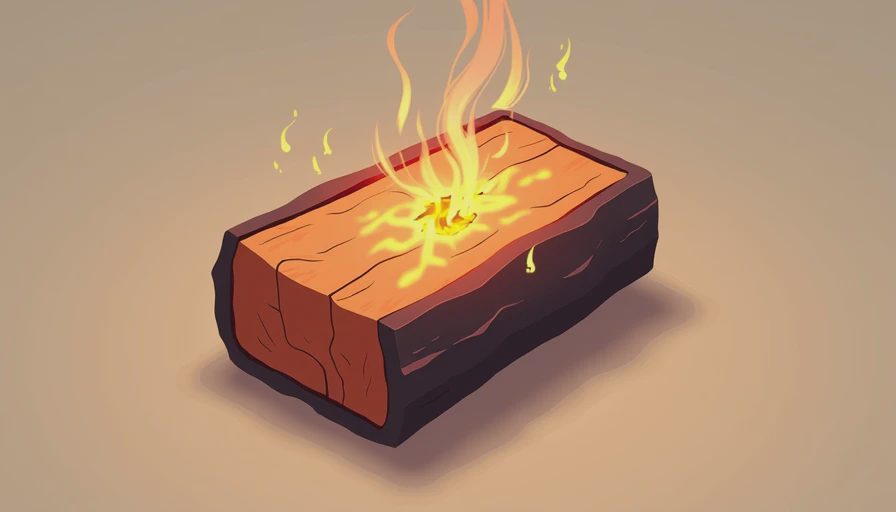
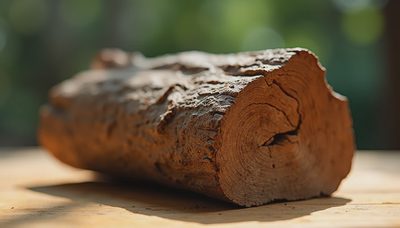
A wood chunk is a solid piece of hardwood used to create smoke during a cook. Unlike chips, which burn quickly, chunks smolder longer and give you a more gradual release of flavor. That makes them especially useful for long cooks where you want smoke during the first few hours rather than a blast of white smoke every ten minutes.
Smoke flavor comes from the gases released as wood heats and breaks down. Your goal is thin, almost bluish smoke that smells sweet, earthy, or lightly nutty. Thick white smoke usually means the wood is smoldering poorly, the fire is starved for oxygen, or you added too much wood at once. That heavy smoke can leave brisket bitter and chicken tasting like an ashtray.
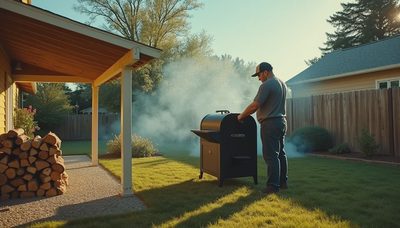
You do not need a large pile. For a standard backyard offset smoker, one or two chunks at a time is usually enough. In a kettle grill, one medium chunk can flavor several pounds of meat. Pellet grills often have a small burn area, so a smoke tube or manufacturer-approved accessory is safer than dropping random wood into the fire pot.
Choosing the Best Wood for the Meat
Oak is my dependable starting point. It burns steadily, produces a medium-strength smoke, and works with nearly everything. If you are buying your first bag of bbq wood chunks, oak is a smart choice for brisket, ribs, pork shoulder, turkey, and sausage.
Hickory brings a stronger, bacon-like flavor. It is excellent with pork and beef, but too much can become harsh, especially on smaller cuts. Pecan is gentler and slightly sweet, making it a good match for chicken, pork, and ribs. Apple and cherry are fruit woods with softer smoke and a mild sweetness. Cherry can also darken the outside of meat, helping ribs and poultry develop an appealing mahogany color.
Maple is mild and slightly sweet, while mesquite burns hot and delivers a powerful, earthy flavor. I use mesquite sparingly, usually mixed with oak, because a full load can overpower a roast before the center is tender. Avoid softwoods such as pine, fir, and spruce. They contain resins that can create unpleasant smoke and are not appropriate for cooking.
The meat matters, but your personal taste matters too. If your family prefers delicate smoke, try apple or pecan. If you want a classic central barbecue profile, oak and hickory are hard to beat.
How to Use BBQ Wood Chunks Without Over-Smoking
Start with a clean, stable fire before adding wood. When the cooker reaches your target temperature, place one chunk near the fire or on the hot coals, depending on your smoker design. Let it ignite briefly, then settle into a clean burn. Closing the lid too quickly on a smoldering chunk can trap heavy smoke, so give the fire enough airflow to breathe.
For ribs or chicken, two to four hours of smoke is typically plenty. A brisket or pork shoulder can take smoke for several hours, but adding wood for the entire cook usually does not improve the result. Once the exterior has darkened and the meat has absorbed enough smoke, heat and time do the rest of the work.
Soaking chunks is an old habit that I generally skip. Wet wood takes longer to heat, creates steam, and can produce dirty smoke before it starts burning cleanly. Dry, seasoned hardwood gives you more predictable results. If a chunk catches fire, move it slightly away from the hottest area or adjust airflow rather than spraying it with water.
Watch the cooker, not just the clock. If the smoke smells sharp or looks like a cloud, wait for it to clear before adding more wood. One clean chunk beats six smoldering chunks every time.

Matching Wood to Your Smoker
An offset smoker gives you the most direct control. Put the wood on hot coals in the firebox, leave room for airflow, and adjust the intake vent gradually. The exhaust vent should generally remain open so smoke can move across the cooking chamber instead of sitting on the meat.
A charcoal kettle works beautifully with bbq wood chunks. Bank the coals on one side, place the meat on the opposite side, and set a chunk on the edge of the coal pile. This two-zone setup keeps the meat away from direct heat while the chunk adds smoke. Add another only after the first has mostly burned down.
On a gas grill, chunks need a smoker box or a foil packet with ventilation holes. Keep the packet over a burner, not directly under the food, and use indirect heat for longer cooks. A pellet grill already burns compressed wood, so extra chunks are usually unnecessary and can interfere with the grill’s operation. A smoke tube can add intensity if your model supports it.
No matter the cooker, use a reliable digital thermometer. Smoke flavor cannot rescue meat that is raw, dry, or cooked at the wrong temperature.
Common Mistakes I Made First
My first mistake was treating more smoke as better barbecue. I loaded an offset firebox with hickory chunks, closed the vents too far, and produced ribs with a bitter black crust. The lesson was simple: smoke should season meat, not cover it up. I also used chunks that were too large for my small kettle, which caused temperature swings and made the fire difficult to manage.
Another common mistake is adding wood every time the smoke disappears. Clean barbecue often has very little visible smoke. If the cooker is holding temperature and the meat smells pleasantly smoky, you are doing fine. Constantly chasing a visible plume can create harsh flavor and waste fuel.
Store bbq wood chunks off the ground in a dry, ventilated place. Do not keep them in a sealed container if they are damp, because trapped moisture can encourage mold. Discard pieces with chemical odors, paint, glue, or obvious rot. Cooking wood should be untreated hardwood intended for food use.
Finally, do not change three variables at once. Try oak on one cook, pecan on the next, and hickory after that. Write down the weather, cooker temperature, wood type, and result in a notebook. That is how you build a system instead of relying on barbecue folklore.
A Simple Plan for Your Next Cook
For a first run, choose a pork shoulder or a rack of spare ribs. Use a charcoal kettle or offset smoker, start with a clean fire, and select oak, pecan, or apple. Add one medium chunk after the cooker stabilizes. Check the smoke after ten minutes, then leave the lid closed long enough for the heat to do its job.
Keep the cooking temperature steady, add another chunk only when the first is nearly gone, and stop adding wood once the meat has a deep color and a pleasant smoky smell. If the bark looks black and the smoke tastes bitter, reduce the wood and open the airflow slightly on the next attempt.
The best bbq wood chunks are not necessarily the fanciest or most expensive. They are dry, clean, properly sized, and matched to your cooker and meat. Start with oak, learn what clean smoke looks and smells like, then experiment with pecan, cherry, apple, or hickory. That is enough to produce better barbecue this weekend, on the equipment already sitting in your backyard.

No letters yet — be the first to write.