If you have watched a brisket climb toward 150 degrees, then sit there for what feels like half the day, you have met the stall. This brisket stall explained guide will show what causes it, how to handle it, and when you should stop staring at the thermometer. The short version is simple: your brisket is not broken, your smoker probably is not failing, and patience still does most of the work.
I have had briskets stall while the family waited for dinner, while rain rolled across the patio, and once while I was certain my probe had died. The meat was fine. I was the problem. Low and slow, and don't overthink it.
What the Brisket Stall Actually Is
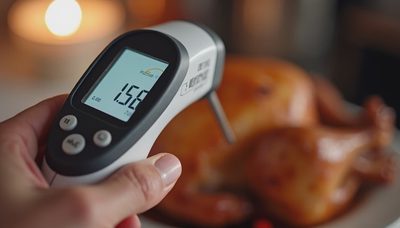
The stall usually happens when the thickest part of the brisket reaches roughly 150 to 170 degrees Fahrenheit. Instead of continuing upward, the internal temperature may hold steady for two, four, or even six hours. Every brisket behaves a little differently because size, fat content, humidity, airflow, and pit temperature all matter.
The main cause is evaporative cooling. As moisture moves from inside the meat to its surface and evaporates, it cools the brisket in much the same way sweat cools your skin. Your smoker may be holding a steady 250 degrees, but the meat is spending energy on evaporation instead of gaining temperature. That balance creates the stall.
This is not a sign that the brisket has stopped cooking. Collagen is still slowly breaking down, smoke is still working on the surface, and the bark is still developing. A temperature reading that refuses to move for 30 minutes is not a crisis. A reading that barely changes for three hours is annoying, but still normal.
How Long Does the Stall Last?
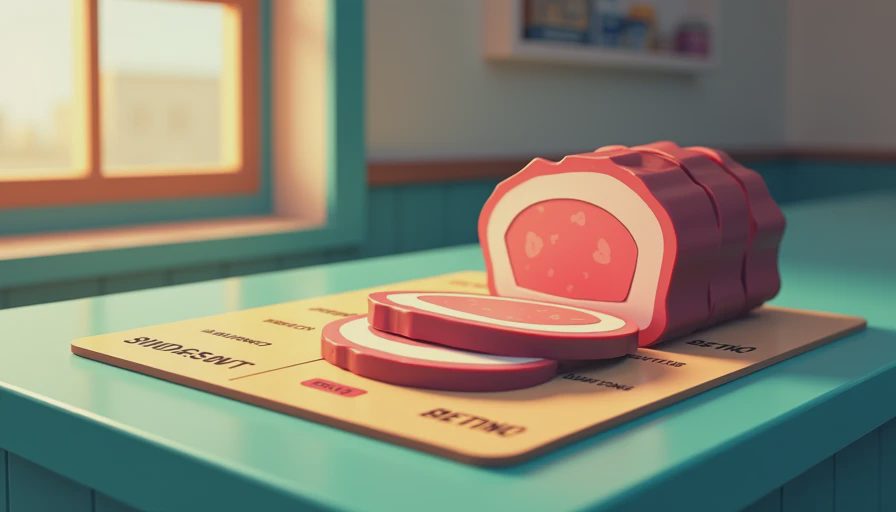
There is no reliable timer for a stall. A five-pound brisket flat might push through in an hour or two, while a large packer brisket can linger much longer. A dry winter day can produce a different result from a humid summer afternoon in Kansas City. Opening the lid repeatedly also adds time because every peek dumps heat from the cooker.
This is where brisket stall explained becomes practical rather than theoretical. Plan your cook around a wide window, not a single serving time. If you want to eat at 6 p.m., putting a brisket on at 10 a.m. is gambling. Start earlier, then hold the finished brisket in a cooler or warm oven. A cooked brisket can rest for several hours when wrapped and kept safely hot, and that cushion is much less stressful than racing the clock.
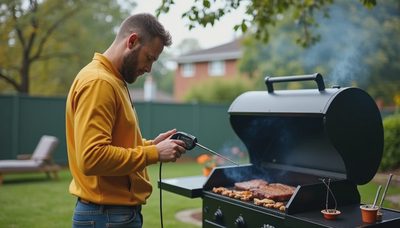
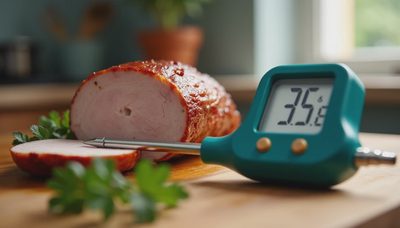
Use a reliable thermometer with the probe placed in the thickest portion of the flat, avoiding large fat pockets. The point often feels hotter and softer, so it is not the best place to judge doneness. Trust the meat and the probe location more than a recipe's exact hourly schedule.
Should You Wrap During the Stall?
Wrapping is the most common way to shorten the stall. Once the bark has the color and texture you want, place the brisket in unwaxed butcher paper or aluminum foil. Paper allows more airflow and usually preserves a firmer bark. Foil traps more moisture and can speed the cook, but the bark may soften and the rendered juices can make the exterior pot-roasty.
Many backyard cooks wrap around 165 degrees, but bark matters more than the number. If the surface is pale and wet, give it more time. If the bark is dark mahogany, dry to the touch, and does not smear when you brush it lightly, wrapping makes sense. Add a small splash of beef stock or rendered tallow only if the brisket looks dry; drowning it is not an improvement.
The brisket stall explained in one sentence is this: wrapping reduces evaporation, so more heat goes toward raising the meat's internal temperature. It does not magically make tough brisket tender. It simply changes the cooking environment and helps you finish on schedule.

The Unwrapped Method Still Works
You do not have to wrap. Plenty of pitmasters cook brisket unwrapped from start to finish, especially when they want a thick, dry bark. The tradeoff is a longer cook and a greater need to manage the smoker's temperature. Keep the pit steady around 225 to 275 degrees, avoid unnecessary lid openings, and let the bark build naturally.
An unwrapped brisket can lose more moisture at the surface, so lean flats deserve closer attention than well-marbled packers. If the edges look dry or hard while the center remains tough, wrapping later can rescue the texture. There is no prize for refusing a useful technique. Cook the brisket in front of you, not the imaginary brisket in a forum argument.
Pellet grills, offsets, drum smokers, and kettle grills can all produce good results. A $3,000 cooker will not correct a bad probe placement or a rushed finish. The equipment changes the workflow, not the basic science.
When Is the Brisket Done?
Temperature is a guide, not a finish line. Many briskets become tender somewhere between 195 and 205 degrees, but some finish earlier and others need to reach higher. Insert a thin probe or instant-read thermometer into several spots in the flat. When it slides in with the resistance of softened butter, start thinking about resting. If it still feels tight, keep cooking even if the display says 203.
This is the part of brisket stall explained guides that often gets skipped: the stall ending does not mean dinner is ready. The temperature may begin climbing quickly after wrapping, but collagen still needs time to relax. Pulling a brisket because it hit a convenient number can leave you with slices that crumble at the edges yet chew in the middle.
After cooking, vent the wrap for about 10 minutes so carryover heat does not push the brisket too far. Then wrap it again and rest it in an empty cooler lined with towels, or hold it in an oven set around 150 to 170 degrees if your oven can maintain that range. Slice only when you are ready to serve.
A Simple Stall-Day Checklist
Start with a full tank of fuel, a clean grate, and a thermometer you trust. Write down the time and pit temperature in a notebook, just as I do for every smoke. When the brisket reaches the stall, check the bark before deciding whether to wrap. If you wrap, keep the seam secure and return the meat to the smoker with the probe in the flat.
Give the cooker at least 30 minutes before making another adjustment. Small swings are normal; frantic vent changes create bigger swings. If dinner is approaching and the brisket remains tough, raise the pit to 275 or 300 degrees after wrapping. That is not cheating. It is managing a meal.
If you remember only one lesson from this brisket stall explained walkthrough, remember that time is an ingredient. Build in a two- to four-hour cushion, cook until tender, and rest before slicing. The stall is a normal stage, not a barbecue emergency. Low and slow, and don't overthink it.
No letters yet — be the first to write.