A good rib rub does not need twelve ingredients, a branded shaker, or a pilgrimage to a specialty barbecue store. The best rib rub balances salt, sweetness, heat, and savory spices so the meat tastes more like itself, only better. I have cooked ribs in restaurant kitchens, on beat-up backyard smokers, and on a pellet grill while helping my kids with homework. The same basic rules work every time.
If your ribs come out bland, bitter, too salty, or covered in a crust that tastes like burnt candy, the problem is usually not your smoker. It is the seasoning strategy. Start with a simple mix, apply it evenly, and give the surface enough time to get tacky before the ribs hit the heat. Low and slow, and do not overthink it.
What a rib rub actually needs
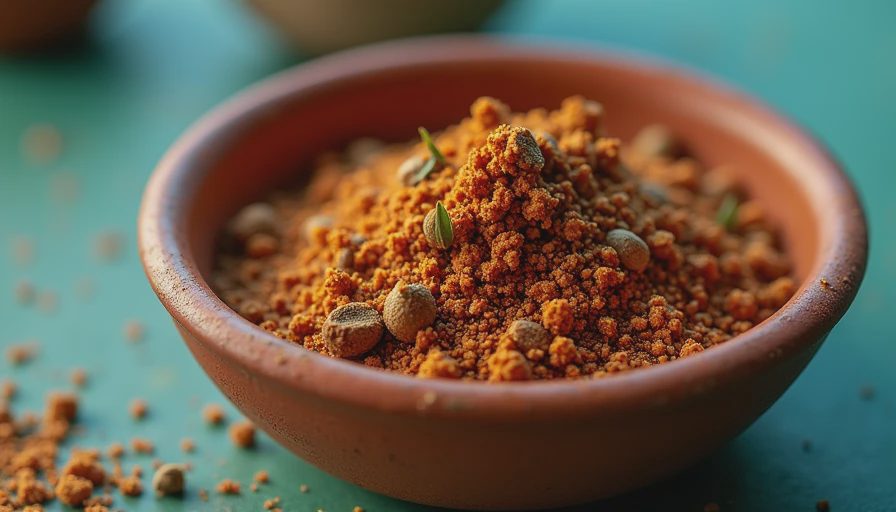
A useful rib rub has four jobs. Salt seasons the meat and helps the other flavors stand out. Sugar encourages browning and creates the familiar barbecue bark. Paprika adds color and a mild pepper flavor, while black pepper, garlic, and onion build the savory backbone.
For a dependable starting point, combine one-half cup of paprika, one-quarter cup of kosher salt, one-quarter cup of brown sugar, two tablespoons of coarse black pepper, one tablespoon of garlic powder, one tablespoon of onion powder, and one teaspoon of cayenne. That makes enough for several racks, depending on how heavily you season.
This is a formula, not a law. If your family does not like heat, leave out the cayenne. If you want Kansas City-style sweetness, increase the brown sugar by a few tablespoons. If you cook over a hot grill instead of a 225 to 250 degree smoker, use less sugar because it can scorch. A rib rub should support the cook, not make you nervous about every temperature spike.
Kosher salt deserves special attention. It takes up more space than table salt because the crystals are larger, so do not swap an equal volume of fine table salt without adjusting the amount. If you only have table salt, use roughly half as much to start, then rely on the finished recipe and your notes for future batches.
How to apply rib rub without wasting it
First, remove the membrane from the bone side of the rack if it is still attached. Slide a butter knife under a corner, grab that corner with a paper towel, and pull steadily. Some racks are stubborn. That is normal. Pat the ribs dry after the membrane comes off so the seasoning sticks instead of sliding into a wet paste.
You can use yellow mustard, hot sauce, or a thin layer of oil as a binder, but none is mandatory. Mustard is popular because it spreads easily and its sharp flavor fades during cooking. I use it when the surface is especially dry or when I am cooking for a crowd and want consistent coverage.
Sprinkle the rib rub from about eight inches above the meat. That height helps distribute it instead of dumping a salty pile in one spot. Cover the meat side first, then season the edges and bone side lightly. You should see the meat through the seasoning in a few places. A thick blanket is not proof of better barbecue.
Let the seasoned ribs sit for 20 to 45 minutes while the smoker comes to temperature. The surface should look damp and slightly glossy. That tacky layer helps smoke and seasoning adhere. You can also refrigerate the ribs overnight, but the salt will work more deeply and the finished texture can become firmer. For a weeknight cook, a short rest is plenty.
Choosing spices for your style of barbecue
Paprika is the quiet workhorse in a rib rub. Sweet paprika gives color without much heat, while smoked paprika adds a campfire note that can become too strong if your cooker already produces heavy smoke. I usually choose sweet paprika and let the wood handle the smoke.
Black pepper gives ribs a sharper, more grown-up edge. Use coarse pepper for noticeable flecks and a softer bite, or fine pepper for a more even crust. Garlic and onion powder should taste present but not dominant. Fresh minced garlic is a poor choice for a long smoke because it can burn and turn bitter on the surface.
Chili powder varies wildly from jar to jar. Some blends contain mostly mild chile, while others bring cumin, oregano, and plenty of heat. Read the label before adding it. Ground cumin can be excellent in a rib rub, but too much makes the ribs taste like taco meat instead of barbecue.
For a sweeter profile, brown sugar works well, but turbinado sugar is more resistant to heat and gives the bark a slightly larger crunch. Honey powder is another option if you keep it in the pantry. These ingredients are tools, not requirements. Salt, pepper, paprika, garlic, and onion can carry an entire rack.
Matching the seasoning to your cooking method
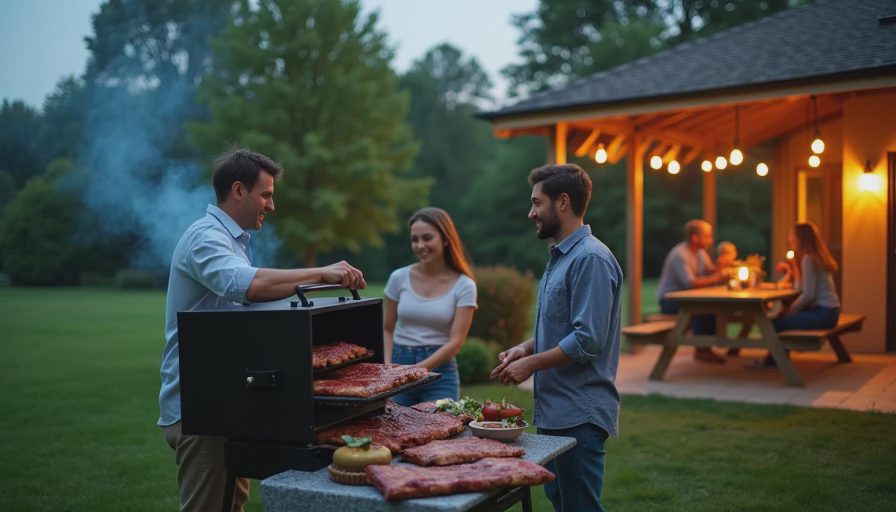
On an offset smoker running around 225 degrees, a moderate layer of rib rub can develop into a dark, flavorful bark over several hours. Hickory gives a strong traditional smoke flavor, while apple or cherry tends to be gentler. If your offset runs unevenly, rotate the racks once during the cook rather than opening the lid every 20 minutes.
A pellet grill is more predictable, so it is easy to use the same formula with less babysitting. Keep the seasoning even and avoid adding extra sugar just because the smoke flavor seems mild. A finishing sauce can provide sweetness later without risking a burnt crust.
For a gas grill, create an indirect cooking zone by turning on one burner and placing the ribs over the unlit side. A foil packet of wood chips can add smoke, though it will not behave exactly like a dedicated smoker. On a charcoal grill, bank the coals to one side and manage the vents patiently. Equipment changes the process, not the basic seasoning math.
You can even cook ribs in the oven and finish them over direct heat. Use the same rib rub, cook the ribs covered until tender, then uncover them and brush on sauce under the broiler or on a hot grill. You will miss some smoke, but you can still build a satisfying crust and tender meat.
Common rib rub mistakes I have made
My first serious backyard ribs were nearly inedible because I treated seasoning like insulation. I coated them until no meat showed, then added a salty barbecue sauce at the end. The bark looked impressive, but each bite made everyone reach for a drink. More seasoning is not a rescue plan for bland meat.
Another mistake is tasting the dry mix and assuming it should taste perfect by itself. A concentrated rib rub will taste saltier and hotter than the finished bark. Still, you should be able to identify the main flavors. If one spice overwhelms everything, fix the batch before using it. Add more paprika and sugar to soften heat, or increase the unsalted spices to spread out excess salt.
Do not judge ribs by color alone. Dark does not automatically mean burned, and pale does not automatically mean undercooked. Probe tenderness between the bones with a toothpick or thermometer probe. When the probe slides in with little resistance and the rack bends without falling apart, you are close.
A simple plan for your next rack
Write down the date, rib cut, smoker temperature, wood, seasoning amount, and cooking time. I keep those details in a spiral notebook because memory gets generous after a successful dinner and strangely vague after a failure. Notes turn one good cook into a repeatable cook.
For baby back ribs, start with a lighter coating because the meat is leaner and the rack is thinner. Spare ribs can handle a bolder rib rub and longer cooking time. Season both racks the same way if you want a fair comparison, then change only one variable on the next attempt.
Serve the ribs with sauce on the side the first time you use a new blend. That lets you taste the seasoning clearly and gives everyone control over sweetness and heat. Once you know the formula works, brush on sauce during the final 15 to 20 minutes so it sets without turning into a sticky black shell.
The goal is not to create a secret formula nobody else can copy. It is to make ribs your family asks for again. Start with the measured blend, adjust one ingredient at a time, and trust the process. Low and slow, and do not overthink it.


No letters yet — be the first to write.