If you are asking, "why are my ribs tough," you are not alone. I have pulled plenty of racks from a smoker that looked beautiful on the outside and chewed like a leather belt inside. The good news is that tough ribs are usually not a mystery. They are telling you something about time, temperature, moisture, or the cut itself. Once you understand the clues, you can fix the next rack without buying a new smoker or watching six hours of barbecue videos.
The most common reason ribs stay tough
The short answer to why are my ribs tough is usually that they are not cooked long enough. Pork ribs contain connective tissue and collagen. That tissue starts firm, then gradually breaks down during a long cook. If you pull the ribs when they reach a certain number on your thermometer but before the meat has relaxed, they can be technically cooked and still be unpleasantly chewy.
This is why ribs do not behave like chicken breasts. A chicken breast can dry out quickly after it reaches a safe internal temperature. Ribs need time. At a smoker temperature around 250 to 275 degrees Fahrenheit, spare ribs often need about five to seven hours, while baby back ribs frequently take four to six hours. Those are starting points, not deadlines. Thick spare ribs in cold weather can take longer, and a thin rack on a hot cooker can finish sooner.
I learned this the hard way during a backyard cook for Kate's family. I checked the ribs at four hours, liked the color, and served them early because everyone was hungry. They were safe to eat, but the bite fought back. The next rack stayed on the smoker until the meat bent easily and the bones showed slightly. Same rub, same cooker, completely different result.
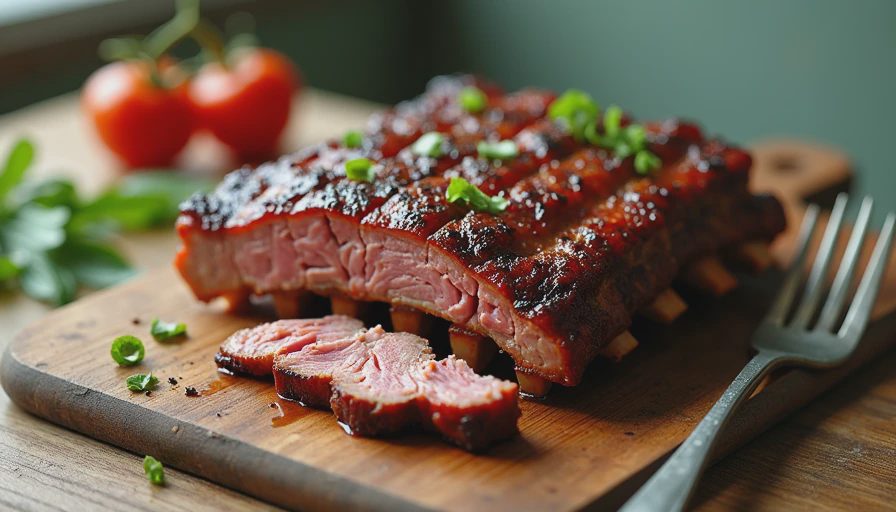
How to tell whether ribs are undercooked or overcooked
When people ask why are my ribs tough, they often mean two different things. Undercooked ribs feel tight and rubbery. The meat clings strongly to the bones, and a bite pulls the whole rack instead of coming away cleanly. The flavor can be good, but the texture is stubborn.
Overcooked ribs can also seem tough, especially when they have dried out. Instead of rubbery resistance, they crumble into dry strings or feel hard at the edges. The meat might fall off the bone, but falling off the bone is not automatically the goal. Good ribs should be tender enough to bite cleanly while still holding together when you pick up a section.
A bend test helps. Lift the rack with tongs about one-third of the way from the end. It should droop and develop small cracks across the surface. You can also slide a toothpick between the bones. It should enter with about the same resistance as soft butter. If the toothpick stops abruptly, give the ribs more time.
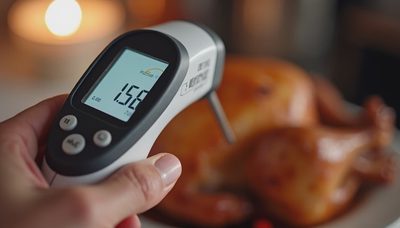
Temperature can help, but it should not make the final decision. Many racks become tender somewhere around 195 to 205 degrees, but connective tissue does not read a stopwatch or a thermometer. Use the number as a guide, then confirm with feel.
Heat, airflow, and moisture matter
Another answer to why are my ribs tough is a smoker that runs too hot or too dry. If your cooker spends hours at 325 degrees, the outside can harden before the inside connective tissue has time to soften. A small spike is not a disaster. An entire cook at high heat changes the result.
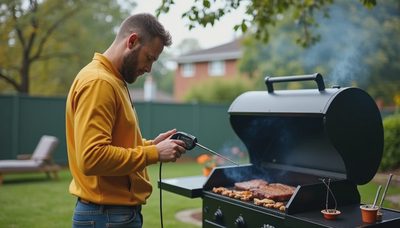
On the other hand, a smoker that runs at 210 degrees may simply stretch the cook for hours without giving the ribs enough consistent heat. Use a separate probe at grate level because the built-in thermometer on a lid can be off by 25 degrees or more. I keep a basic digital probe clipped near the cooking grate. It costs far less than a premium controller and tells me what the food is actually experiencing.
Dry air is not always bad, but ribs benefit from protection during the middle of the cook. After the bark has formed, wrap them in unwaxed butcher paper or foil with a small splash of apple juice, water, or diluted barbecue sauce. A tight foil wrap speeds tenderness and traps steam. Paper preserves more bark and takes longer. Neither method is magic, but both can rescue a rack that is losing moisture.
Do not keep opening the lid to spray every 20 minutes. Each opening dumps heat and extends the cook. If you spritz, wait until the surface looks dry and use a quick mist of water, cider vinegar, or apple juice.

The cut and preparation can set you up for trouble
Sometimes the answer to why are my ribs tough starts before the smoker is lit. Spare ribs are larger, meatier, and usually need more time than baby backs. St. Louis-style ribs are trimmed spare ribs with a more even shape, which makes them easier to cook consistently. A thin rack with little meat can dry out before a thick rack beside it becomes tender.
Remove the membrane from the bone side if it is still attached. That tough, shiny layer does not melt during cooking. Slide a butter knife under one corner, grab it with a paper towel, and pull slowly. If it tears, catch another section and keep going. Leaving the membrane on will not ruin the ribs, but it can make the bite seem tougher and block seasoning from reaching the meat.
Salt the ribs at least 30 minutes ahead, or season them the night before. A simple rub of kosher salt, coarse black pepper, paprika, brown sugar, garlic, and onion is plenty. Heavy sugar can darken quickly over a hot fire, so keep the cooking temperature controlled.
A simple rescue plan for your next rack
If your ribs are tough right now, do not slice them and give up. Wrap the rack tightly in foil with two or three tablespoons of liquid. Put it back in a 250 to 275 degree smoker or oven. Check after 45 minutes, then test with a toothpick. If it still feels tight, continue in 20 to 30 minute blocks.
For the next cook, trim uneven flaps, remove the membrane, and record the rack weight. Run the smoker at a steady 250 degrees. Cook uncovered until the bark has the color you want, usually around three hours. Then wrap, continue cooking, and start checking tenderness after another two hours. Rest the ribs for 15 to 30 minutes before slicing.
That process answers why are my ribs tough with action instead of guesswork. If the rack is underdone, more time solves the problem. If it is drying out, wrapping adds protection. If the smoker is unstable, a grate-level probe shows you what needs correcting.
Stop chasing the perfect rib number
There is no rule that says every rack must take exactly five hours or reach exactly 203 degrees. Weather, rack thickness, cooker design, bone size, and airflow all matter. My beat-up offset and pellet grill produce different timelines, yet both can make tender ribs when I pay attention to texture.
If why are my ribs tough is the question on your mind, start with the simplest checks: Was the smoker steady? Did the meat bend? Did the toothpick slide in easily? Did you rest the rack before slicing? Those answers tell you more than a rigid recipe clock.
Keep notes in a cheap spiral notebook. Write down the cut, weight, smoker temperature, wrapping time, and finish time. After two or three cooks, your own records will be more useful than somebody else's perfect-looking video. Low and slow, and don't overthink it.

No letters yet — be the first to write.