If you have ever stared at a beautifully dark brisket and wondered, "why is my brisket tough," you are in good company. I have done it too, including once with a $90 packer before a family cookout. The bark looked right, the smoke smelled great, and the slices chewed like pot roast. Tough brisket usually comes down to timing, temperature, moisture, or slicing—not a lack of expensive equipment.
The encouraging part is that most brisket problems are fixable. Brisket is a working muscle packed with connective tissue, so it needs enough heat and time for that tissue to soften. A thermometer gives you useful information, but tenderness is the real finish line. Low and slow, and don't overthink it.
The most common reason: it is not done yet
The number one answer to why is my brisket tough is that the brisket needs more cooking. Many cooks pull it when the thickest part reaches 195 degrees Fahrenheit because a recipe listed that number. That can work, but briskets do not all finish at the same temperature. One may become tender at 198 degrees, while another needs 205 or 208.
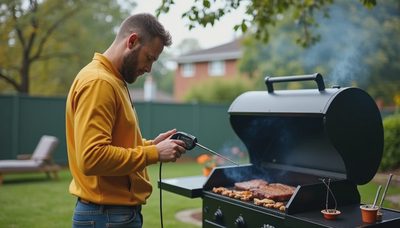
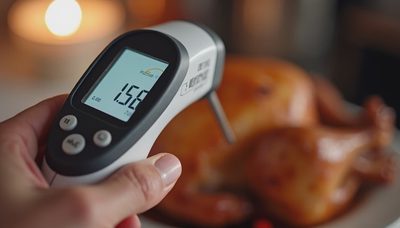
Collagen begins breaking down as the meat stays hot for a long time, but the process takes patience. If your probe meets firm resistance, like pushing into a raw potato, the brisket is not ready. Keep cooking and check again every 30 to 45 minutes. Use an instant-read thermometer or the probe attached to your cooker, but trust the feel more than a magic number.
Remember that the flat is leaner and usually takes longer to become tender than the fatty point. Check the thickest part of the flat, avoiding the fat seam and the cooking grate. A brisket that is tough but still juicy is commonly undercooked, not ruined.
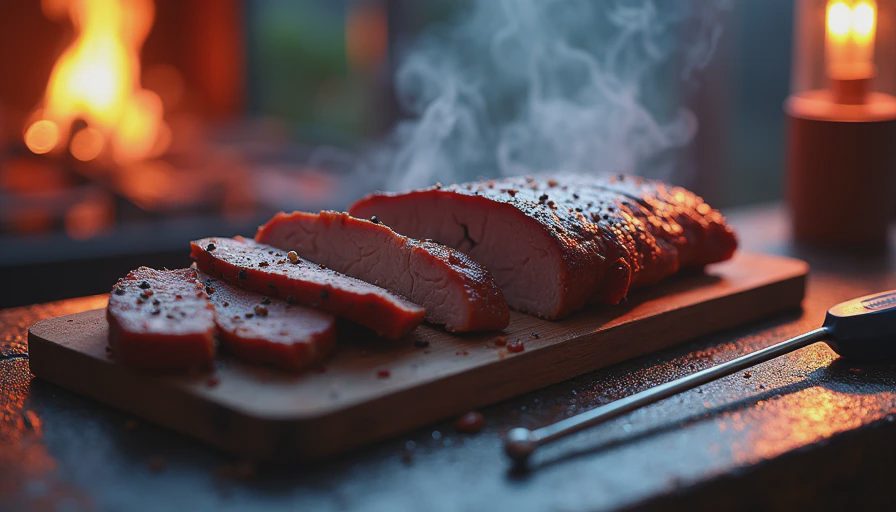
Temperature swings can stretch the cook
A smoker that runs at 225 to 250 degrees gives brisket a steady environment for rendering fat and softening connective tissue. Wild temperature swings create trouble. If your pit drops to 180 degrees for several hours during a cold night, the brisket may simply need extra time. If it repeatedly climbs above 300 degrees, the outside can dry before the center is tender.
You do not need a $3,000 smoker to hold steady heat. On an offset, use a small, clean fire and adjust airflow gradually. On a pellet grill, keep the hopper full and protect the brisket from direct heat if the model has a hot spot. A basic oven thermometer near the meat can reveal that the lid gauge is 30 degrees off.
Opening the lid every 15 minutes also slows the cook. Each peek releases heat and extends the finish. Check fuel, water, and temperature through the vents or a remote thermometer whenever possible. Consistent heat beats heroic temperature chasing.
The stall is not a cooking failure
Around 150 to 170 degrees, brisket often enters the stall. Evaporation from the surface cools the meat, and the internal temperature can sit still for hours. This is where many cooks ask why is my brisket tough and pull it too early, assuming the smoker has stopped working.
You have two sensible choices. Leave the brisket unwrapped for a firmer bark and accept a longer cook, or wrap it in unwaxed butcher paper or foil to reduce evaporation. Paper preserves more bark texture; foil speeds the cook and holds in more moisture. Neither method makes an undercooked brisket tender instantly, but both can help you reach the finish line.
Plan for the stall instead of scheduling brisket down to the minute. A 12-pound packer can take roughly 10 to 16 hours, depending on thickness, pit temperature, weather, and wrapping. Start earlier than you think, because a finished brisket can rest for hours while a rushed brisket cannot be rescued at dinner time.
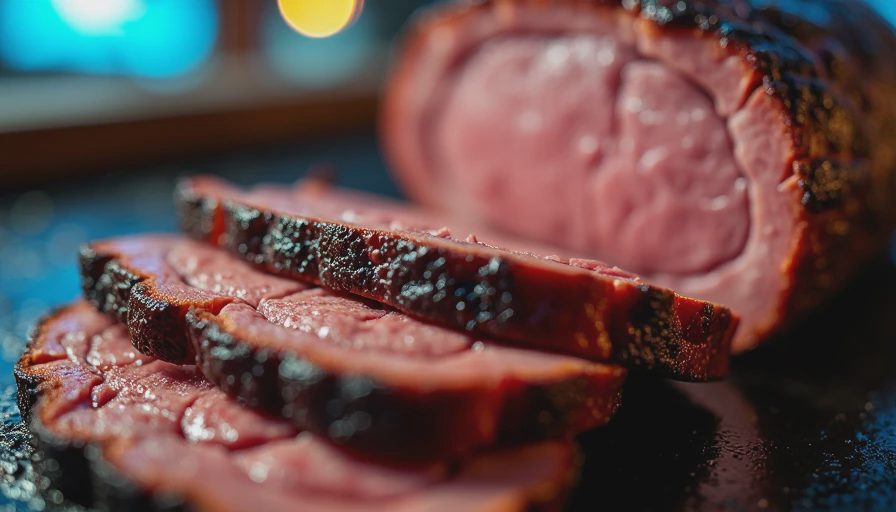
Overcooking creates a different kind of tough
Not every tough brisket needs more heat. If the meat is dry, crumbly, and stringy, it may be overcooked. This often happens when a lean flat stays in a hot smoker too long or rests uncovered until its juices run out. The texture can feel tough even though the connective tissue has fully broken down.
This is why the answer to why is my brisket tough cannot be based on temperature alone. Notice the clues. Undercooked brisket tends to be firm, rubbery, and moist inside. Overcooked brisket often falls apart, looks dry, and leaves little juice on the cutting board. Slice a test piece before making a decision, then adjust your next cook.
A long rest helps, but it does not reverse severe overcooking. Once the brisket is tender, vent the wrap for about 10 minutes so carryover heat can slow down. Then rewrap it and hold it in an empty cooler or warm oven until serving. Keep the meat above 140 degrees during the holding period.
Slicing can make tender brisket seem tough
Sometimes the cook is fine and the knife work is the problem. Brisket has two grain directions because the point and flat meet at an angle. Slice with the grain and each bite contains long muscle fibers that require more chewing. Cut across the grain instead, making slices about the thickness of a pencil for the flat.
Start by separating the point from the flat if the grain changes noticeably. Turn the flat as needed and check the cut face before continuing. If slices bend without breaking and feel soft, your brisket is probably tender. If you can pull the fibers into long strands, rotate the meat and shorten the slices.
The point contains more fat and usually handles thicker slices. The flat is leaner and benefits from careful, even cuts. Use a sharp slicing knife and cut only what you plan to serve. Leaving the rest whole helps it retain moisture.
A simple rescue plan for dinner
If your brisket is on the table and you are still asking why is my brisket tough, do not immediately throw it away. First, cut a test slice across the grain. If it is firm and juicy, wrap the brisket tightly with a splash of beef stock, rendered brisket tallow, or a few tablespoons of barbecue sauce. Return it to a 250-degree oven or smoker until the probe slides in easily.
If it is dry but tender, slice it thinner and serve it with warm au jus, sauce, or chopped brisket sandwiches. The point can often save the meal because its extra fat keeps it pleasant even when the flat is disappointing. You can also chop dry pieces into beans, chili, or burnt-end-style bites with sauce.
For the next cook, write down the pit temperature, wrap time, internal temperature, weather, and rest length. My spiral notebook has plenty of ugly entries, and those mistakes taught me more than a perfect cook ever did.
The next brisket checklist
When why is my brisket tough comes up again, work through the process in order. Trim hard exterior fat but leave a protective layer on the flat. Season generously, place the brisket with the thicker side toward the heat, and maintain a steady pit temperature. Wrap when the bark looks right, not merely when the clock says it is time.
Begin checking tenderness once the flat reaches about 195 degrees, but keep cooking if the probe still drags. Rest the finished brisket for at least one hour, preferably longer if your schedule allows. Slice across the grain only after identifying its direction.
Good brisket is less about secret rubs and more about managing time. Your backyard kettle, pellet grill, offset, or cabinet smoker can all produce a tender result. Solve the texture in front of you, learn from the notes, and make the next one better. Low and slow, and don't overthink it.


No letters yet — be the first to write.