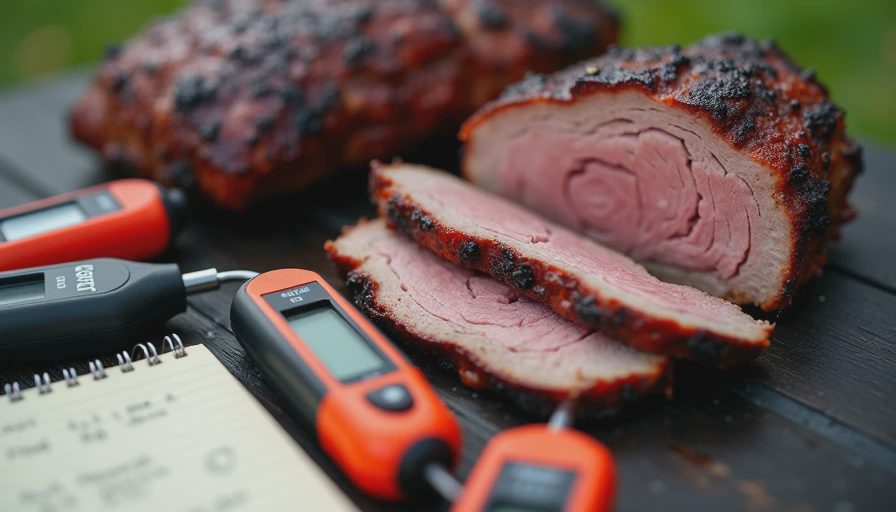
Low and slow, and don’t overthink it.
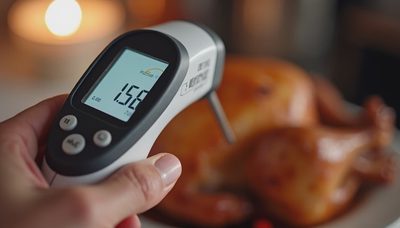
I love a good thermometer. I own more of them than any reasonable person needs. Leave-in probes, instant-read, infrared, the cheap ones, the expensive ones. They live in a drawer and in the notebook and on the smoker shelf. They have saved more cooks than they have ruined.
But they have also ruined a few.
There is a quiet trap that opens when you start treating the number on the display as the only truth that matters. The meat becomes secondary. Your eyes, your hands, and your common sense take a back seat. I fell into that trap more than once. Here are the five clearest times the thermometer talked me into a worse result, and the adjustments that finally broke the habit.
1. The Brisket That Hit 203°F and Still Felt Tight
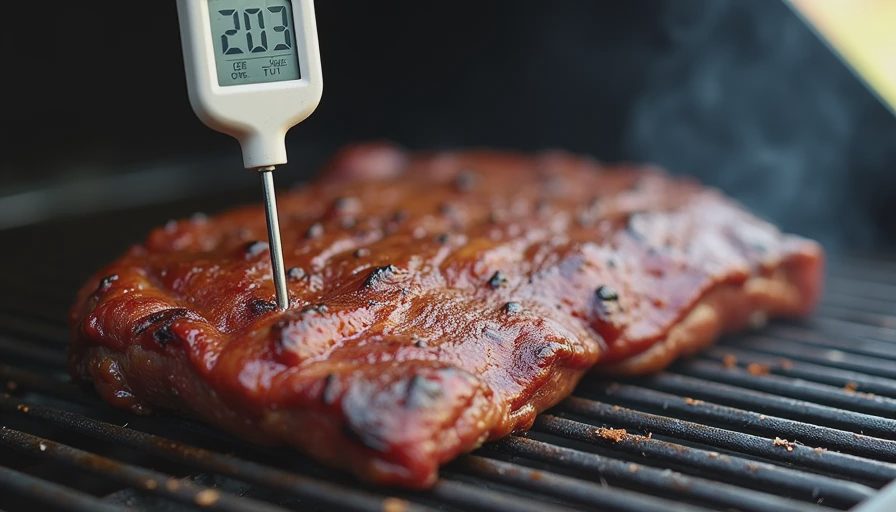
I had read the same advice everyone else had: pull at 203°F. The probe hit the number clean. I wrapped, rested, sliced—and the flat was still tight. Not dry, exactly, but resistant in a way that said the collagen had not fully given up.
The thermometer was accurate. The meat simply was not ready at that number on that day.
What changed: I stopped treating any single temperature as a finish line. Now I probe for feel first. When the probe slides in like it is going into soft butter with almost no resistance, I start considering the pull. The number is data. The feel is the decision.
2. The Pork Butt I Pulled at “Done” and Watched Tighten
Same story, different cut. The leave-in probe sat at 205°F for twenty minutes. I declared victory, rested it an hour, and shredded it. The meat looked perfect until it cooled slightly on the board and then seized up. What should have been juicy pulled pork turned into something that needed extra sauce to stay interesting.
What changed: I began checking multiple spots and giving the butt a real rest—two hours minimum in a cooler when I can manage it. Temperature tells you the cook is in the window. Rest and carryover finish the job the thermometer cannot see.
3. The Ribs That Looked Perfect on the Instant-Read
I had an instant-read I trusted completely. I would poke between the bones, get a reading in the high 190s, and pull the rack. Some of those racks were excellent. Others had spots that still chewed tough. The thermometer only measured the exact point I happened to probe.
What changed: I went back to the bend test as the primary signal and used the thermometer as a secondary check. If the rack bends cleanly and the surface cracks, I probe a couple of spots for confirmation. One number in one place is not the whole story.
4. The Day the Probe Lied Because of Placement
I had a leave-in probe that read 15 degrees cooler than reality because the tip was sitting in a fat pocket instead of pure muscle. I kept the cooker running longer, chasing a number that was never going to climb the way I expected. The bark overcooked. The outer edges dried. The notebook entry that night was just one word: “Placement.”
What changed: I now double-check probe position every time I insert it. I also keep a second instant-read nearby for spot checks. One probe is information. Two sources are closer to truth.
5. The Contest Turn-In Where the Clock and the Probe Fought
Competition day. The leave-in said the brisket was ready. The clock said I still had ninety minutes before turn-in. I left it on the cooker “just to be safe,” watching the temperature climb another eight degrees. By the time I pulled it, the meat had gone past the sweet spot into dryness. The thermometer had been right the first time. My distrust of it cost me the box.
What changed: I started treating a good probe reading plus good feel as enough reason to pull and hold, even if the schedule still had time left. Holding in a cooler is safer than cooking past the window because the number makes you nervous.
The Habit That Replaced Blind Trust
I still use thermometers on every serious cook. I just refuse to let them be the only voice. The current system looks like this:
Leave-in probe for the long trend
Instant-read for spot confirmation
Eyes on the bark and the smoke
Hands on the feel
Notebook for the pattern over time
When those inputs agree, I trust the decision. When they conflict, I give the meat the benefit of the doubt and wait for feel to catch up to the number—or for the number to catch up to the feel.
What the Notebook Keeps Reminding Me
The entries that end with “trusted the probe too much” have gotten shorter and less frequent. The ones that end with “checked feel, confirmed with probe, pulled, rested” keep turning out better. The thermometer is still one of the most useful tools on the shelf. It just works better when it is not the only tool I am willing to listen to.
Meat is not a spreadsheet. It does not finish because a number says so. It finishes when the texture says so. The thermometer is there to help you notice. It is not there to make the call by itself.
Low and slow, and don’t overthink it.
Especially when the display is trying to do all the thinking for you.
No letters yet — be the first to write.