A good brisket rub does two jobs: it seasons the beef deeply and helps create that dark, flavorful bark everyone fights over. You do not need twelve jars, a restaurant pantry, or a $3,000 smoker. With a few basic spices, a steady fire, and enough time, you can turn a tough cut into the kind of barbecue that makes people hover around the cutting board.
I learned this the slow way. Early in my backyard-smoking days, I treated rub like a spice cabinet cleanout. I used sugar, chili powder, garlic, onion, coffee, and whatever else looked useful. The brisket came out dark, but the flavor was muddy and the bark tasted more like a snack mix than beef. These days, I keep the formula simple and let the smoke and meat do their jobs.
The Basic Brisket Rub Recipe
For one whole brisket weighing roughly 10 to 14 pounds, mix 1/4 cup kosher salt with 1/4 cup coarse black pepper. Add 2 tablespoons granulated garlic, 1 tablespoon onion powder, and 1 teaspoon paprika if you want a little extra color. That is enough for a classic brisket rub with a savory, peppery profile.
The equal-parts salt-and-pepper foundation is easy to remember, but do not confuse it with equal volume for every kind of salt. Flaky kosher salt, Morton kosher salt, and fine table salt have different crystal sizes. Fine salt packs more tightly and can make the brisket taste aggressively salty. If table salt is all you have, use less and measure carefully, closer to 2 tablespoons instead of 1/4 cup.
Mix the spices in a bowl before opening the brisket. That gives you an even blend instead of salty patches. Store extra rub in an airtight container for several weeks, away from heat and moisture. I write the date on the lid because my future self never remembers when a spice jar was mixed.
How Much Rub Should You Use?
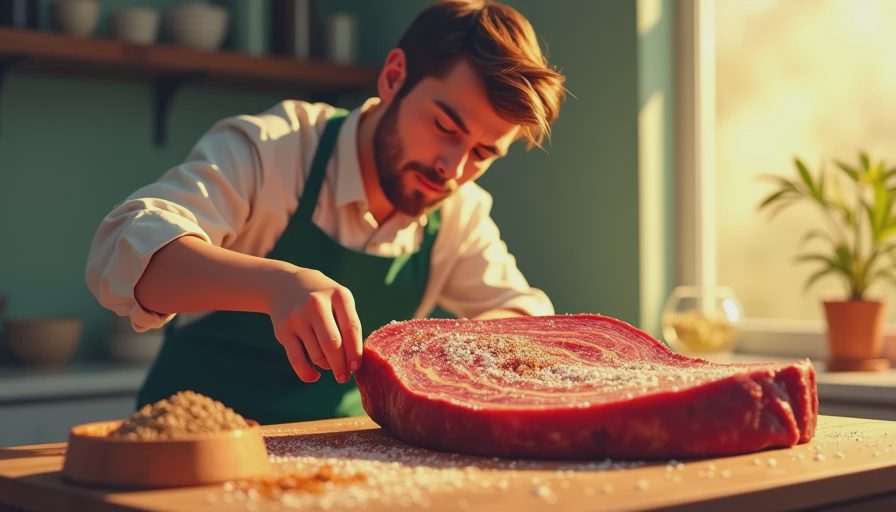
A brisket should look evenly coated, not buried under a thick crust of seasoning. As a practical starting point, use about 1 tablespoon of brisket rub per pound of meat. A large packer brisket may need more because of its broad surface, while a small flat needs less.
Trim the hard, waxy fat first, leaving about 1/4 inch of softer fat on top. Too much fat blocks seasoning and smoke; too little can leave the surface exposed during a long cook. Pat the meat dry, then apply a thin coat of yellow mustard or Worcestershire sauce if you like. Neither is required, and you will not taste much of the mustard after smoking. It simply helps the seasoning stick.
Sprinkle from 8 to 10 inches above the meat for better coverage. Press the rub gently into the surface rather than rubbing hard. Aggressive rubbing can smear the seasoning and push it into uneven spots. Pay attention to the sides, the lean flat, and the seam between the point and flat. Those areas need flavor too.
When to Season Brisket
You can apply the rub immediately before the brisket goes on the smoker, or season it several hours ahead and refrigerate it uncovered. Both approaches work. Overnight seasoning gives the salt more time to move into the outer meat, but it does not magically cure the brisket all the way through.
If you season the night before, place the brisket on a wire rack over a sheet pan. Leave it uncovered in the refrigerator so the surface dries slightly. A drier surface develops better bark than meat sealed in a wet plastic bag. Take the brisket out while the smoker heats, usually 30 to 60 minutes before cooking. There is no need to leave raw meat sitting on the counter for hours.
Do not add a second heavy layer halfway through the cook. The surface is already concentrated with flavor, and extra salt can push the finished slices too far. If you want a stronger pepper note, add a light sprinkle early in the smoke, before the bark has set.

Adjusting the Flavor Without Ruining the Beef
Sweet rubs have a place, especially on pork, but I use sugar carefully on brisket. Brown sugar can help with color and a glossy bark, yet too much can burn during a long cook at 275 degrees Fahrenheit. If you like a sweeter Kansas City direction, add 1 to 2 tablespoons brown sugar to the basic mixture rather than turning the whole bowl into candy.
For heat, use 1 teaspoon cayenne or chipotle powder. For a warmer flavor, try 1 teaspoon ground cumin. Coffee, ancho chile, and coriander can all work, but choose one or two accents instead of adding every interesting ingredient in the pantry. A brisket rub should support beef, not hide it.
I avoid large amounts of smoked paprika when the brisket is already cooking over wood. The smoke flavor can become heavy, especially with mesquite or strong hickory. Oak, pecan, and a restrained amount of hickory pair more naturally with a pepper-forward coating.
Using the Rub With Any Smoker
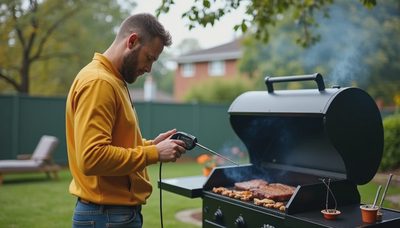
Set the smoker between 250 and 275 degrees Fahrenheit and cook by feel, not just by the clock. Put the brisket on with the thicker point toward the hotter part of the cooker. On an offset smoker, that is commonly nearer the firebox. On a pellet grill, learn where the hot spots are with a cheap oven thermometer before your first important cook.
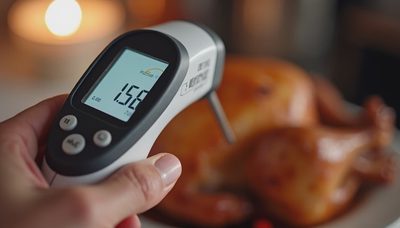
Smoke the brisket until the bark is dark, dry to the touch, and no longer wipes away when you press it lightly. This often happens somewhere around 160 to 180 degrees internal temperature, but appearance matters more than one exact number. If the surface looks right and the meat is cooking slowly, wrap it in unwaxed butcher paper or foil.
Paper protects the bark while allowing some moisture to escape. Foil speeds the cook and retains more liquid, but it can soften the crust. Add a small splash of beef stock or rendered tallow only if the brisket looks dry; flooding the wrap can wash away the seasoning you worked to build.
Slicing and Serving the Finished Brisket
Rest the brisket for at least one hour after cooking, and two hours is even better when your schedule allows. Keep it wrapped in a dry cooler or in an oven set to its lowest safe warming temperature. Resting lets the juices settle and gives the brisket time to finish tenderizing.
Separate the point from the flat before slicing because the grain changes direction. Slice the flat across the grain into pieces about pencil thickness. The point can be sliced thicker or chopped for sandwiches. If a slice bends without breaking and stays moist when you hold it, you are close to the texture you want.
A reliable brisket rub is not about winning an argument over regional barbecue. It is about making a repeatable dinner with the equipment already in your yard. Start with salt, pepper, and garlic, write down what you changed, and adjust the next cook. Low and slow, and do not overthink it. The best seasoning is the one that leaves you tasting brisket first.

No letters yet — be the first to write.