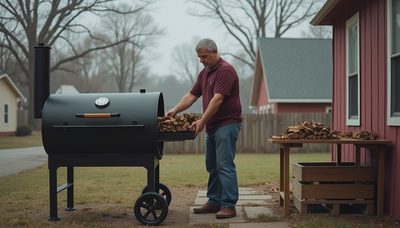
Wood smoke chunks are one of the simplest ways to add real barbecue flavor without buying a bigger smoker or changing your entire cooking setup. I use them on my offset smoker, kettle grill, and even when I want a little extra character from a pellet grill. The trick is not filling the pit with smoke. It is choosing the right wood, using a reasonable amount, and keeping the fire clean.
After twelve years in restaurant kitchens and plenty of backyard cooks that went sideways, I have learned that smoke should support the meat, not bury it. A brisket should still taste like beef. Ribs should still taste like pork. Low and slow, and do not overthink it.
What wood smoke chunks actually do
Wood smoke chunks are pieces of seasoned hardwood that smolder or burn alongside your main charcoal or firewood. They are larger than chips, so they generally last longer and produce a steadier stream of smoke. A typical chunk is about the size of a small fist, although bags include a mix of sizes.
Unlike logs, chunks do not usually provide the main heat source in a backyard charcoal smoker. Charcoal handles the heat while the chunk adds smoke flavor. On a kettle grill, two or three pieces can be enough for a long cook. In an offset smoker, chunks are useful when your main split logs need help getting the smoke profile started.
Do not soak them first. That old advice usually creates steam before the wood dries out, and it can cool your fire. Dry chunks placed near hot coals give you more predictable results. If the wood is green, moldy, or smells sour, leave it out of the cooker.
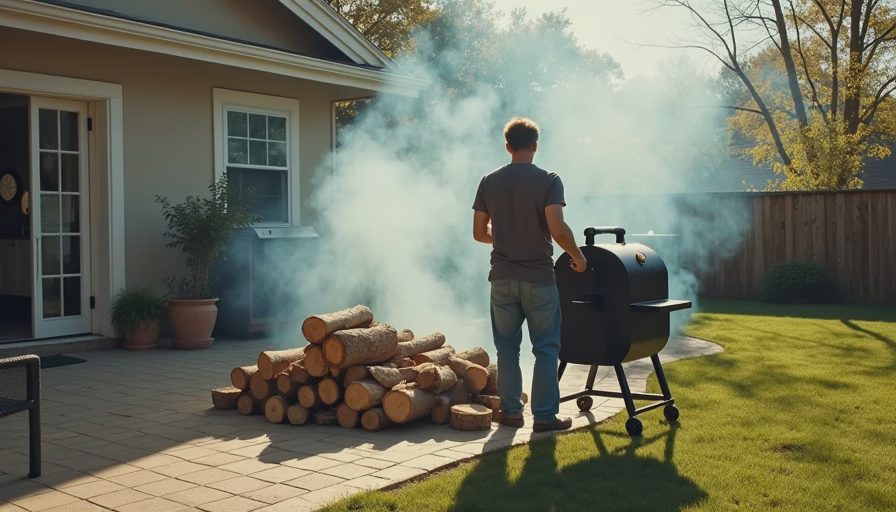
Choosing the right wood for the meat
The best wood depends on the food and how strongly you want it seasoned. Oak is my everyday choice because it gives a steady, medium smoke that works with brisket, ribs, chicken, and sausage. It is forgiving when the weather changes or dinner needs to stay on schedule.
Hickory brings a stronger bacon-like flavor and is excellent with pork shoulder, ribs, and chicken. Use it with a little restraint on long cooks. Two large hickory chunks in a kettle can be plenty for a rack of ribs, while several more might suit a whole pork butt.
Apple and cherry are gentler fruitwoods. They work well with poultry, pork, and turkey, and cherry can add an attractive reddish color to the surface of the meat. Maple is another mild option for pork, poultry, and vegetables. Mesquite burns hot and delivers an assertive flavor, so I use small amounts with steak, burgers, or shorter cooks rather than dropping a whole bag into a brisket fire.
Avoid random construction scraps, painted wood, pallet boards, plywood, and treated lumber. Those materials can contain glues, coatings, or chemicals that do not belong near food.
How many chunks should you use?
For a standard 18- to 22-inch charcoal kettle, start with two or three wood smoke chunks spread around the charcoal. That is enough to flavor chicken pieces, ribs, or a small pork roast. For a long brisket cook, add another chunk only if the smoke has clearly faded and the fire remains clean.
A common beginner mistake is adding a new chunk every time the smoke becomes invisible. Good barbecue smoke is often thin and nearly transparent. Thick white clouds usually mean the wood is smoldering poorly, the fire is starved for oxygen, or the chunk was placed where it cannot heat properly. That kind of smoke can leave a bitter taste and a gray surface on the meat.
On a ceramic cooker such as a Big Green Egg or Kamado Joe, bury one or two chunks in the charcoal before lighting. On a Weber kettle, place them at the edge of the coal pile so they ignite gradually. Pellet grills vary by design, but a small chunk in an approved smoke box or tray can add character; never place loose wood directly where it could interfere with the auger or heating system.
A simple method for clean smoke
Start with a stable cooking temperature before adding your meat. For most barbecue, that means roughly 225 to 275 degrees Fahrenheit, depending on the cut and your schedule. Once the cooker settles, add the wood and wait several minutes. You want a light, clean stream rather than a smoke signal visible from the next street.
Keep the exhaust vent open enough for smoke to move through the cooker. Closing the top vent too far traps stale smoke and can make the fire unstable. Adjust the intake vent in small steps, then give the cooker time to respond. Chasing the thermometer every thirty seconds creates more trouble than it solves.
Place the meat away from direct heat and watch the surface during the first hour. If the color is developing quickly or the smoke tastes harsh, remove a chunk or open the vents slightly. When I burned a brisket early in my backyard days, I blamed the rub. My notebook later showed the real problem: a restricted fire and far too much hickory.
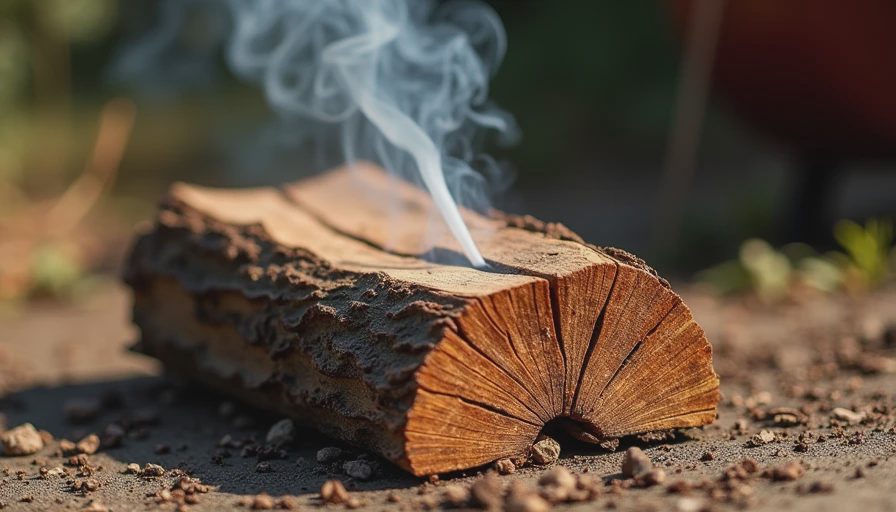
Wood smoke chunks for different smokers
An offset smoker gives you the most direct relationship with the fire. Use dry splits for heat and add a chunk only when the coal bed needs a little smoke. Keep the firebox clean, leave room for airflow, and look for a thin blue-gray exhaust. Brand names such as Oklahoma Joe's, Char-Griller, and Old Country can differ in thickness and airflow, but the wood principles stay the same.
A charcoal kettle is more efficient than many people expect. Bank the coals to one side, place the meat on the opposite side, and put wood smoke chunks on top of or just beside the hot coals. With the lid vent over the meat, the smoke travels across the cooking chamber instead of rushing straight out.
A pellet smoker already produces smoke from pellets, so extra wood should be treated as a small flavor adjustment. One chunk can be enough. A gas grill can also handle chunks in a smoker box, foil pouch with small ventilation holes, or a cast-iron smoke container designed for grilling. Follow the grill maker's instructions and keep wood away from burners and grease.
Buying, storing, and testing your wood
Look for cooking wood sold by a reputable barbecue supplier, hardware store, or outdoor cooking retailer. A small bag often costs around $8 to $15, depending on the species and size. You do not need a premium box with fancy branding. You need clean, untreated, properly seasoned hardwood.
Store wood smoke chunks off the ground in a dry, ventilated place such as a covered shed or garage shelf. Do not seal damp chunks in a plastic tub, because trapped moisture can encourage mold. If a piece feels unusually soft, shows fuzzy growth, or has an off smell, throw it away.
When testing a new wood, cook something inexpensive first. Chicken thighs are ideal because they finish quickly and show smoke color well. Use one chunk of oak or fruitwood, take notes on the amount, cooker temperature, and result, then adjust next time. My spiral notebook has saved me from repeating more bad cooks than any expensive gadget.
A practical starting plan
For your next cook, choose oak for brisket, hickory for pork ribs, or apple for chicken. Light the smoker and stabilize the temperature before adding food. Place two medium wood smoke chunks near the hot coals, keep the exhaust open, and check the smoke after fifteen minutes. If the cooker smells clean and the meat is taking on gentle color, leave it alone.
After the first hour, focus on the fire and internal temperature rather than constantly adding wood. Most meat does not need heavy smoke for the entire cook. Wrap, spritz, or finish in the oven when your recipe calls for it; the barbecue flavor already developed early.
If you are unsure, use less wood on the first attempt. Adding another chunk is easy, but removing bitter smoke from a finished brisket is impossible. Start modestly, write down what happened, and build from there. Good barbecue is not a wood-smoke contest. It is tender meat, a clean fire, and a meal people are happy to eat.

No letters yet — be the first to write.